Women's Pique Tennis Shirts Guide
The pique tennis shirt is the polo shirt in its original form — a breathable waffle-textured knit with a collar, born on the tennis court and now a warm-weather wardrobe staple.
Shop Women's Pique Tennis Shirts Now
Shop Women's Pique Tennis Shirts on Amazon Shop Women's Pique Tennis Shirts on eBayThe Amazon and eBay links on this page are affiliate links. If you make a purchase through them, Apparel Search may earn a commission.
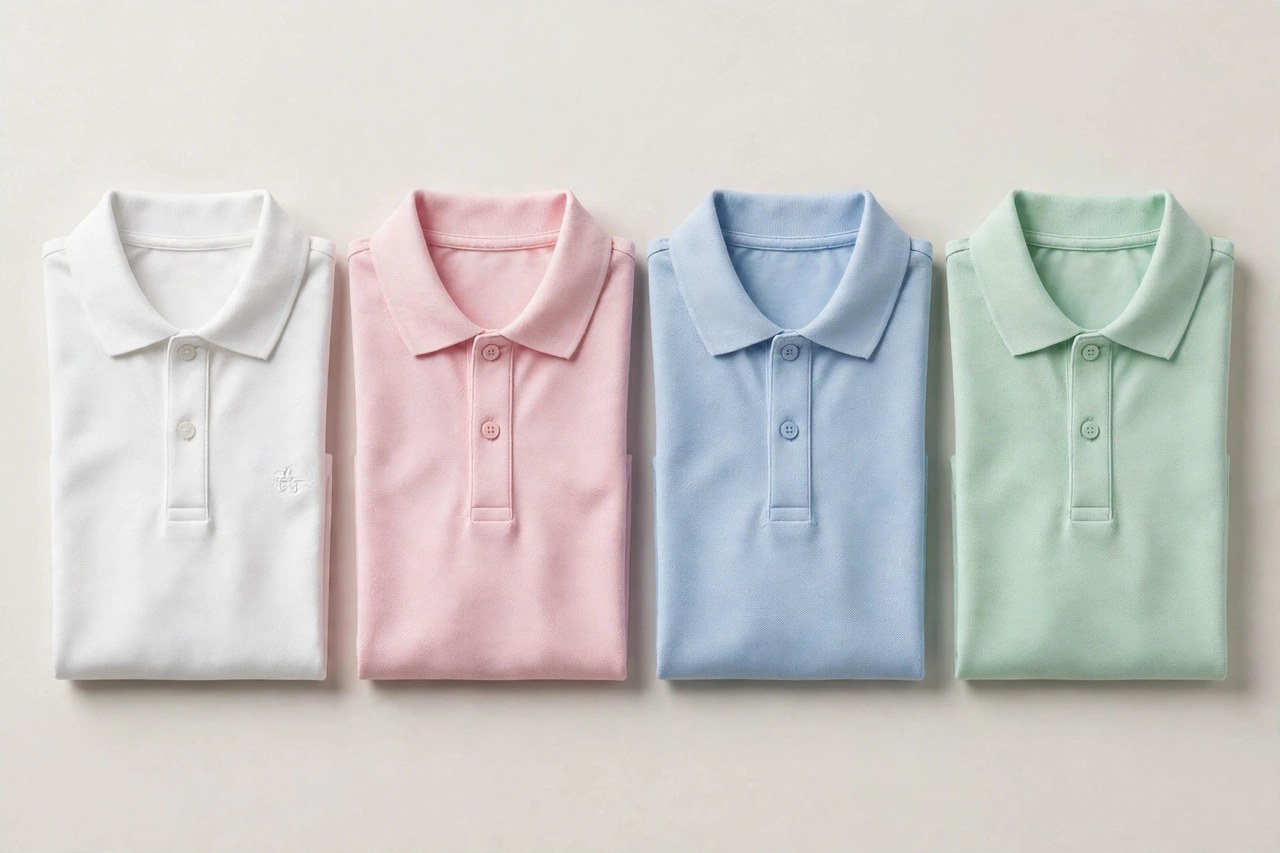
A pique tennis shirt is a short-sleeved, collared knit shirt made from pique cotton — the same garment most shoppers know simply as a polo shirt. The two names describe one shirt from two angles: polo names its adopted sport, tennis names its birthplace, and pique names its fabric. For women, the modern version is cut closer than the boxy club shirts of the past, with a shaped waist, a slightly longer placket and sleeves that end mid-bicep rather than at the elbow.
What sets the tennis shirt apart from an ordinary jersey tee is structure. The collar holds its shape through a match, the ribbed sleeve bands keep the arms tidy, and the textured knit looks finished enough for the clubhouse, the office on a casual Friday or lunch after a morning on court. This guide covers the fabric itself, the shirt's unusually well-documented history, how women's fits differ, and how to choose and care for a shirt that should last for seasons.
Pique Knit: The Waffle Texture
Pique (pronounced pee-KAY, from the French for quilted) is a woven-look double knit with a raised, honeycomb or waffle texture. Tiny cords and pockets of air are built into the cloth itself. Those air pockets are the point: they lift the fabric slightly off the skin, let heat escape and let moisture evaporate faster than a flat jersey knit can. A good pique feels dry and crisp in the hand, holds a collar upright, and resists the limp, clingy drape that thin summer knits develop by noon.
Most tennis shirts are cotton pique, prized for breathability and a natural hand feel. Performance versions blend cotton with polyester or add a small percentage of elastane for stretch and shape retention, and full-synthetic piques wick moisture fastest of all for serious play. Weight matters: a substantial pique around 200 grams per square meter drapes cleanly and survives years of washing, while featherweight fashion piques feel cooler but show every line underneath and lose their collar sooner.
From Court Whites to a Fashion Classic
The shirt's history begins with French tennis champion Rene Lacoste, who in the 1920s found the era's long-sleeved, starched tennis whites impractical and designed a short-sleeved shirt in breathable pique cotton with a soft, unstarched collar that could be turned up against the sun. He put a small crocodile emblem on the chest — a nod to his court nickname — and by 1933 the shirt was being sold to the public.
Strict court dress codes kept tennis shirts white for decades, and white remains the classic choice for clubs that still enforce whites. From the 1950s onward the shirt escaped the court: golfers adopted it, then casual wardrobes everywhere, and colors multiplied from navy and burgundy to pastels and brights. Women's versions followed the same arc, moving from borrowed men's shirts to genuinely tailored cuts in the 1970s and 1980s.
Choosing Fit, Collar and Details
Start with fit. A classic women's cut follows the torso without squeezing, skims the waist and ends at mid-hip; a slim or tailored cut sits closer and works best tucked into skirts and trousers; relaxed cuts trade polish for air and suit hot-weather play. The collar should lie flat with the top button undone and stay neat with all buttons closed. Check the placket: two or three buttons is standard, and mother-of-pearl or tonal buttons signal a dressier shirt, while a longer tunic placket reads more casual.
Sleeve bands should hug the arm lightly without binding — if they leave a mark, size up. The tennis tail, a hem slightly longer at the back, is an original detail meant to keep the shirt tucked during play and still useful for anyone who tucks. Side vents at the hem let the shirt sit smoothly untucked. For actual tennis, prioritize breathability, stretch and a collar that will not flap; for everyday wear, prioritize fabric weight and color, and consider long-sleeved pique versions for shoulder-season layering under blazers and cardigans.
Styling, Care and Buying Tips
Styling is easy because the shirt is already halfway to tailored. Tuck it into white trousers, chinos or a pleated midi skirt for the full country-club line, half-tuck it into jeans for weekends, or layer it under a sweater with the collar over the neckline. White is the heritage choice and the most formal; navy is the most versatile; stripes and tipped collars (a contrast stripe on collar and cuffs) add sport without shouting. Keep jewelry small — the collar and placket already frame the neckline.
Care for pique as you would any good cotton knit. Wash in cool or warm water with similar colors, fasten the buttons and turn the shirt inside out to protect the texture, and avoid heavy bleach on colors. Reshape the collar while damp and dry flat or on a line; a brief medium iron restores the crisp finish, and storing the shirt folded or on a padded hanger keeps the shoulders true.
Related Women's Guides
More to Explore on Apparel Search
Looking for Women's Clothing Stores?
This guide helps you choose women's pique tennis shirts. To browse where to buy, visit our women's clothing store directory, where you can find retailers that carry them.