Women's Skater Shoes Guide
Skater shoes are the style category — the padded, flat-soled sneakers of skate culture, worn on and off the board as a fashion staple.
Shop Women's Skater Shoes Now
Shop Women's Skater Shoes on Amazon Shop Women's Skater Shoes on eBayThe Amazon and eBay links on this page are affiliate links. If you make a purchase through them, Apparel Search may earn a commission.
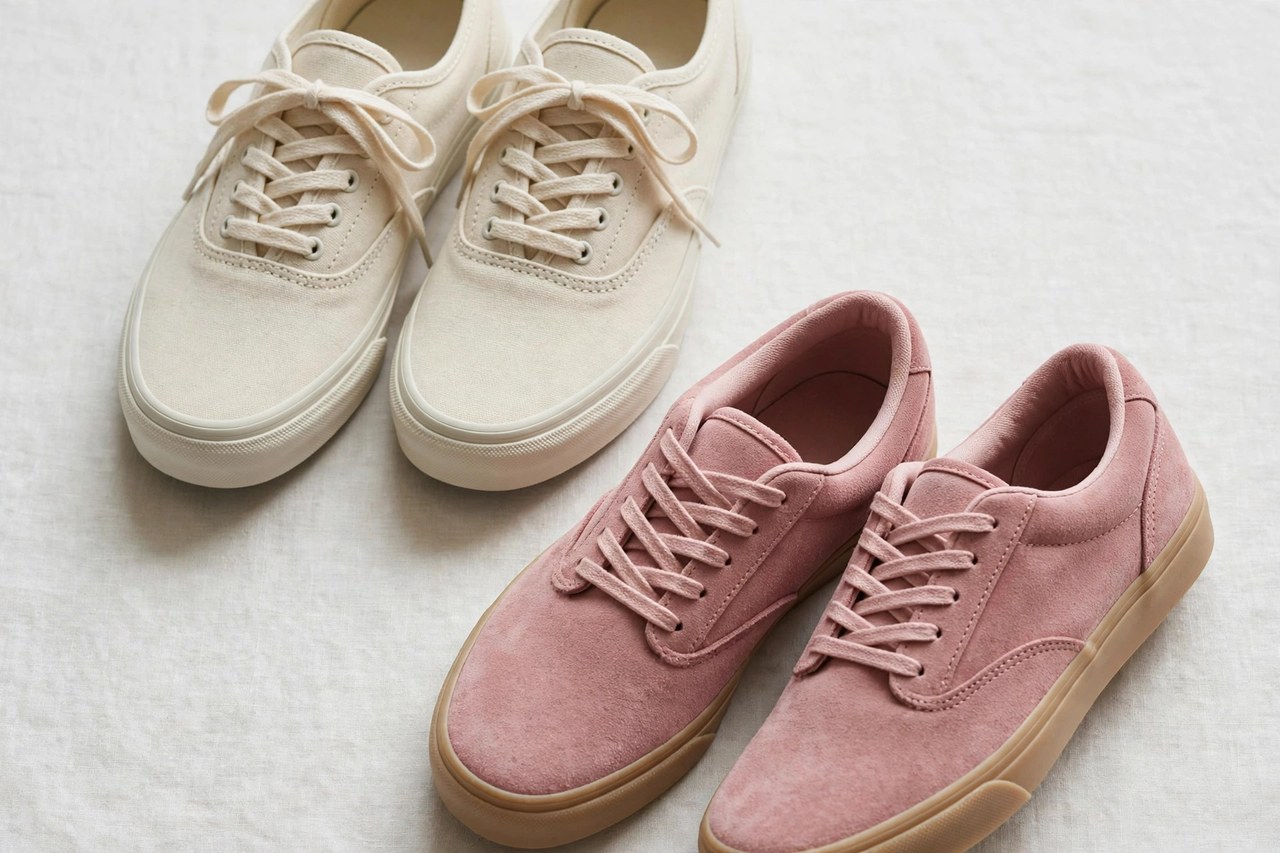
Start with the word itself. Historically, a skater was simply a person who skates — especially on ice — but skating goes well beyond the ice: it includes gliding on ice skates, roller skates, inline skates and skateboards, and each discipline has its own specialized footwear. Skateboarders typically wear sneakers, and the sneakers they made famous became a category of their own. Skater shoes, as this page treats them, are that category as a style: the flat-soled, padded, durable-looking sneaker that skate culture gave everyday fashion.
The boundary with the companion page matters. Skate shoes are engineered equipment, judged by board feel and grip tape survival. Skater shoes are the look and the wider footwear world of people who skate — including the shoes worn for style by millions who have never stood on a board. This guide covers the style's history, its recognizable design codes, how it differs across skating disciplines, and how to choose and wear skater shoes as the casual staple they have become.
One Word, Many Kinds of Skating
Each branch of skating solved its footwear problem differently: Ice skates are boots with blades, built for ankle support on ice. Roller skates mount wheels on a boot or shoe for rink and street. Inline skates put a single line of wheels under a supportive boot. Only skateboarding stayed with a soft shoe — because the foot itself works the board, flexing, flicking and feeling through the sole — and that soft shoe is the ancestor of every skater shoe sold as fashion today.
That ancestry explains the style's design codes at a glance: a flat sole where other sneakers sculpt arches, a wide, roomy last with a padded tongue and collar, suede and canvas as the default materials, and fat laces on the chunkier models. When you see those four features together on a shoe in an ordinary clothing store, you are looking at skateboarding's silhouette, whether or not the shoe could survive a single session of actual skating.
The Skater Look: Chunky, Classic and In Between
Skater style runs in two waves. The classic wave is the low-top canvas or suede shoe with a thin vulcanized sole — the 1960s and 70s deck-shoe descendant that skateboarders adopted first, slim enough to pair with anything from jeans to a sundress. The chunky wave arrived in the 1990s, when skate shoes swelled: puffy tongues, oversized panels, thick cupsoles and bold logos, a silhouette that street fashion has revived repeatedly since, most recently as the deliberate opposite of minimalist sneakers.
Colors tell the same story. Black, white and gum-soled neutrals are the permanent core, because skaters needed shoes that hid grip tape scuffs and went with everything in a small wardrobe. Seasonal color and print drops are fashion's addition. The styling rule the culture itself follows is that skater shoes look worn: a scuffed, broken-in pair reads as authentic, which makes this the rare fashion category where newness is not the point and a crease is not a flaw.
Skater Shoes vs Skate Shoes: Buying Honestly
The honest test is intention. If you skate, buy from a brand's skate line and judge the reinforcements the skate shoes page details — suede wear zones, protected laces, impact insoles. If you want the style for daily wear, a fashion skater shoe is a perfectly good purchase, with two cautions. First, its sole may imitate the flat look without the grip compound, so check tread on wet pavement. Second, canvas fashion versions wear at the toe and heel faster than their suede skate-rated counterparts, because the durability engineering was the point of the originals.
Fit follows the category's generous nature: skater shoes run wide and padded, and the puffy tongue that looks like bulk is there to lock the foot down. Narrow feet may need to size down or lace to the top eyelets; wide feet often find this the most comfortable casual category in the store. For long walking days, prefer the cupsole fashion models over the thinnest vulcanized styles — board feel is a liability when the board is absent and the pavement is endless.
Wearing Skater Shoes Well
Skater shoes anchor casual outfits by keeping the footwear visually low and wide: they balance skinny and straight-leg jeans, ground floaty dresses with a deliberate contrast, and finish shorts and skater-style skirts without tipping into sporty the way a running shoe does. Keep them the relaxed element of the outfit — one statement of ease is the look, head-to-toe slouch is a different decision. White pairs freshen dark outfits; black pairs disappear under trousers and read almost as flats at a glance.
Care is minimal by design. Canvas versions machine-wash cold and air-dry, suede versions want a brush and protector spray, and both forgive neglect better than almost any other shoe you own. Replace them when the sole wears smooth or the heel counter collapses, not when they look tired — looking tired is their natural state. That, in the end, is the skater shoe's contribution to fashion: a shoe whose style comes from use, carrying a whole culture's preference for function that happens to look right.
Related Women's Guides
More to Explore on Apparel Search
Looking for Women's Clothing Stores?
This guide helps you choose women's skater shoes. To browse where to buy, visit our women's clothing store directory, where you can find retailers that carry them.