Women's Skate Shoes Guide
Skate shoes are footwear engineered for skateboarding — a flat sole for board control, a grippy tread, and an upper built to survive abrasive grip tape.
Shop Women's Skate Shoes Now
Shop Women's Skate Shoes on Amazon Shop Women's Skate Shoes on eBayThe Amazon and eBay links on this page are affiliate links. If you make a purchase through them, Apparel Search may earn a commission.
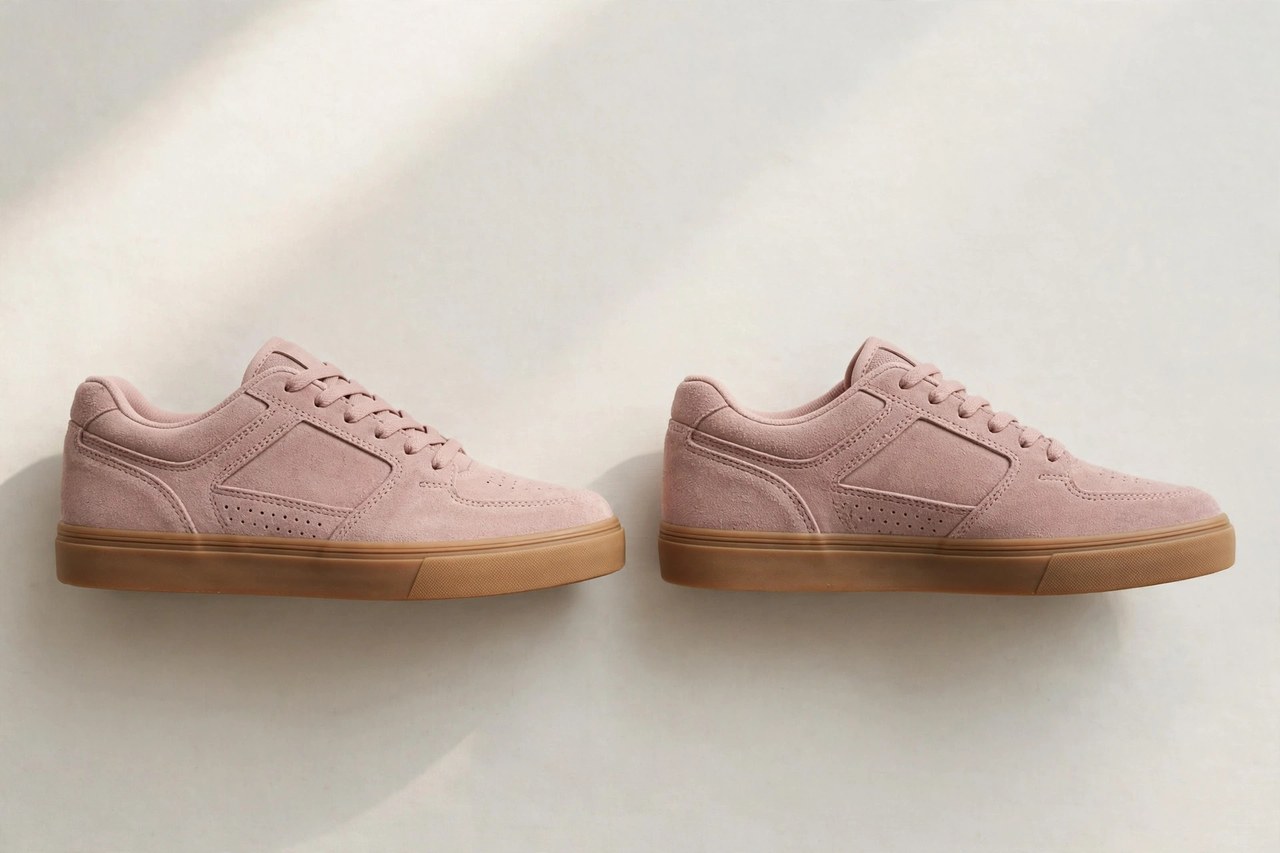
Skate shoes, or skateboard shoes, are a type of footwear specifically designed and manufactured for use in skateboarding. That engineering brief — not the look — is what this page is about. When riding a skateboard, traction and a flat sole are important: the grip of the shoe on the board reduces your risk of a face plant, and traction against the ground matters just as much, because you propel yourself by pushing one foot against the pavement. A skate shoe has to excel at both contacts at once.
Many non-skaters wear skate shoes as fashion, and the companion skater shoes page covers that style category. Here the angle stays technical: sole construction, board feel, the materials that survive grip tape, and the reinforcements that separate a true skate shoe from a sneaker that merely dresses like one.
The Flat Sole and Board Feel
The most important aspect of a skate shoe is that it has a flat sole, which lets the skater keep better board control. A flat sole maximizes contact with the grip tape across the whole foot, so small weight shifts register immediately — skaters call that sensitivity board feel. The sole is typically a vulcanized rubber or polyurethane construction with a minimal tread pattern or no pattern, using a fine herringbone or waffle-style texture that grips without catching when the foot slides to set up a trick.
Two constructions divide the category. A vulcanized sole is thin and flexible, wrapped and heat-cured to the upper, giving the closest board feel and the classic low profile — the choice for technical street skating. A cupsole is a molded, sturdier unit with more cushioning under the heel, trading some feel for impact protection on drops and stairs. Modern skate shoes hide foam or gel impact inserts in either construction. Choose by your skating: feel for finesse, cushioning for height, and never a raised running-shoe heel, which pitches the foot and ruins the flat contact the whole design exists to provide.
Uppers Built to Survive Grip Tape
Skate shoes are subjected to the abrasiveness of a skateboard's grip tape on a regular basis, which is why skaters go through shoes quickly. The wear concentrates on the side of the front foot, where the shoe drags across the tape to flick the board. Durable models answer with suede or action leather uppers rather than canvas in the wear zones, double or triple stitching to extend the life of the upper material, and plastic or rubber reinforcement underlying the toe cap. Super suede and action leather exist precisely because ordinary sneaker fabrics shred in weeks.
Laces get their own protection system. Lace loops and lace protectors shield the most common areas that come into contact with grip tape, and many skaters route laces under protective flaps or switch to hidden loops on the flick side. Ollie patches — extra suede panels at the wear spot — and rubber toe caps borrowed from court shoes extend life further. When you inspect a skate shoe, turn it sideways: the shoe that will last shows its reinforcements exactly where the tape will attack, and a canvas fashion copy shows nothing there at all.
Fit, Padding and Support
A skate shoe should fit snugly without toe curl: room to splay on landing, no heel lift that delays response when you pop the board. The collar and tongue are typically padded, both for comfort and to protect the ankle bones from board strikes, and the tongue often has elastic centering straps so it does not slide sideways mid-session. Insoles in better skate shoes are removable and impact-rated, and replacing them is the cheapest way to revive a pair whose uppers still have life.
Support in a skate shoe is not arch support in the running sense — the flat sole is deliberately neutral. What you want instead is a secure midfoot, a heel counter that holds the back of the foot over the sole, and enough torsional stiffness that the shoe does not fold when you land off-center. Wider feet should look for the roomier lasts several skate brands cut; skaters with narrow feet can be swallowed by the category's typically padded, generous fit, so lace firmly and consider the slimmer low-profile models.
Brands, Wear and Making a Pair Last
The leading brands remain the category's center of gravity: Vans, DC, Converse, Nike and Osiris, with Airwalk part of its earlier history — skateboarding built these lines, and their skate-specific models carry the constructions described above, unlike their lifestyle cousins in the same stores. Buy the skate line, not just the logo. A shoe-goo repair on the flick-side wear spot, applied before the hole reaches your sock, can double a pair's life, and rotating two pairs lets suede and foam recover between sessions.
Know when a skate shoe is done: a sole worn smooth in the push-off zone, a hole through to the sock, or a midsole that has packed flat enough to bruise heels on small drops. Retire it to casual wear with a clear conscience — half the world's favorite sneakers start their second life exactly that way. And keep this advice: it is always best to bail before you slam. Enjoy the ride.
Related Women's Guides
Photos

More to Explore on Apparel Search
Looking for Women's Clothing Stores?
This guide helps you choose women's skate shoes. To browse where to buy, visit our women's clothing store directory, where you can find retailers that carry them.