Women's Roller Skates Guide
Women's roller skates are footwear with wheels — quad boot fit, plate and wheel choices decide whether skating feels steady, fast or tiring.
Shop Women's Roller Skates Now
Shop Women's Roller Skates on Amazon Shop Women's Roller Skates on eBayThe Amazon and eBay links on this page are affiliate links. If you make a purchase through them, Apparel Search may earn a commission.
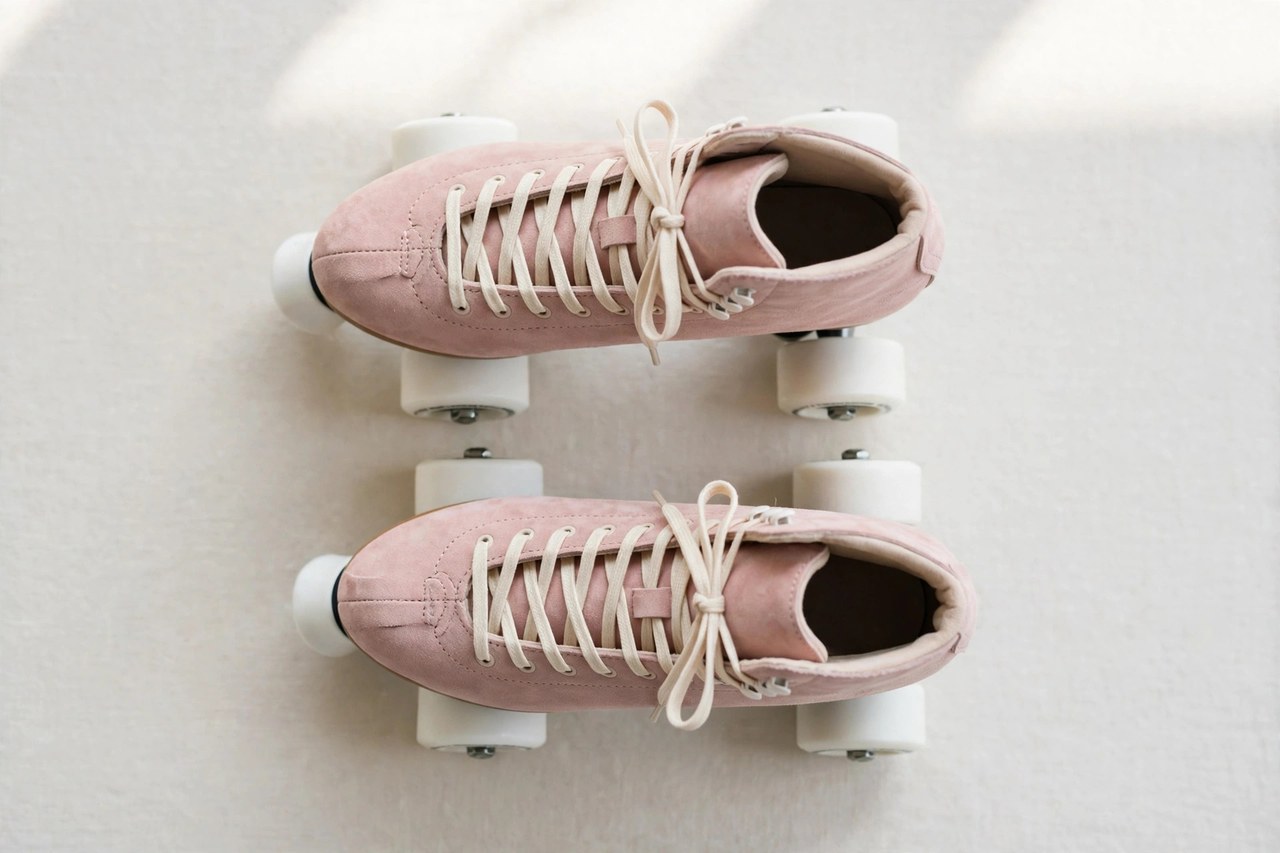
Roller skates are wheeled footwear, and the women's category centers on the classic quad skate: a boot mounted on a plate with four wheels in two side-by-side pairs, a toe stop at the front, and a look that runs from rink white to suede street styles. Inline skates, with wheels in a single line, are the sibling category and are sometimes listed alongside, but the fit, balance and buying advice differ enough that this guide focuses on quads and notes inline differences where they matter.
A skate is a system, not a shoe with wheels attached as an afterthought. Boot support, plate material, wheel size and hardness, and bearings each change how the skate rides, and a beginner's best purchase is rarely the fastest or the prettiest — it is the one matched to where she will skate and how much ankle support she needs while learning. This guide works through the system piece by piece, then sizing and care.
Boot Types and Ankle Support
Quad boots come in high-top artistic style, rising well above the ankle with firm sides, and low-cut speed style, ending at the ankle for freer movement. Beginners and rink or recreational skaters are usually happiest in the high-top, whose support forgives wobbly ankles while balance develops. Suede outdoor boots on softer wheels have become the popular all-round choice for paths and boardwalks, while stiff synthetic boots serve derby and aggressive skating where impacts and precision demands are higher.
Inside the boot, padding and heat-moldable liners on better models shape the fit over the first sessions. Judge a boot by how it holds the heel — a heel that lifts inside a laced skate makes every push inefficient and blisters likely — and by whether the tongue stays centered and padded where lace pressure crosses the ankle. Vinyl entry-level boots are serviceable for occasional rink use; leather and quality suede reward frequent skaters with support that lasts rather than collapsing after a season.
Wheels, Plates and Bearings in Plain Terms
Wheels are the tuning dial of a skate. Diameter runs roughly from the mid-50s millimeters for agility to the mid-60s for smooth outdoor rolling; larger wheels roll over cracks and pebbles more easily. Hardness, rated on the A scale, splits the category: soft wheels around 78A grip and cushion outdoors, harder wheels in the 90s suit smooth rink floors and slide more readily. Most skates are sold with wheels matched to an intended surface, so start from where you will skate and let the listing's wheel tell you whether it agrees.
The plate under the boot is nylon on recreational skates — light and forgiving — or metal on performance models, stiffer and more responsive. Bearings, rated by ABEC numbers, matter less than beginners fear: clean, mid-grade bearings roll well, while dirty premium ones do not. The toe stop deserves a check instead — adjustable stops that can be raised as you progress are a real feature, and its rubber should be grippy, not glazed. Replaceable parts across all of these mean a decent skate can be upgraded rather than replaced.
Sizing, Safety and First Sessions
Skate sizing follows shoe sizing loosely and varies by maker, so use each brand's chart and, where possible, your foot measurement in centimeters. A skate boot should fit snugly like a performance shoe, toes brushing the end without curling, because boots relax with use and a loose skate cannot be laced into control. Wear the socks you will skate in — a cushioned skate or athletic sock — when judging fit, and lace from the toes upward, snug at the forefoot and firm at the ankle, rather than cranking the top hooks on a loose base.
Safety gear is part of the purchase, not an accessory to postpone: a certified helmet, wrist guards, and knee and elbow pads are the standard set, and wrist guards in particular earn their place in the first month of falls. Learn on smooth, empty, dry ground, practice stopping with the toe stop and falling safely before speed, and keep early sessions short — skating muscles fatigue in ways that announce themselves the next morning. Steady, boring progress on a well-fitting skate beats ambition on a poor one every time.
Maintenance: Keeping Skates Rolling
Skate care is mostly cleaning and rotation. Wipe wheels and boots after outdoor sessions, since grit works into bearings and abrades floors you skate on later. Rotate wheels — swapping their positions as tires are rotated — to even out the wear that turning in one favored direction causes, and check axle nuts and toe stops for looseness before each session. Bearings that sound gritty or spin roughly can be cleaned and re-lubricated on most models, a simple job with guides widely available.
Store skates dry, laces loosened, away from heat that warps wheels and dries leather, and use skate guards or a bag outdoors-to-car so edges and stops stay clean. Replace wheels when flat spots or deep grooves appear, and stops when the rubber wears to the stem. A quad skate is one of the most maintainable products in this whole guide: with basic care, a good boot and plate will outlast several sets of the wheels turning underneath them.
Related Women's Guides
Photos


More to Explore on Apparel Search
- Women's Shoes
- Women's Footwear
- Women's Shoe Stores
- Women's Footwear Guide
- Women's Shoes
- Footwear Definitions
- Shoe Guide
- ice skates
- skater shoes
- Women's Athletic Shoes
- Women's Boots
- Women's Casual Shoes
- Women's Dress Shoes
- Women's Sandals
- Women's Trend Shoes
- Women's Skate Shoes
- Fashion
- Clothing Retail Stores
- Fashion News
- Fashion Designers
- Popular Brands
- Apparel
- Women's Clothing Stores
- Women's Clothing Wholesalers
- Women's Fashion
Looking for Women's Clothing Stores?
This guide helps you choose women's roller skates. To browse where to buy, visit our women's clothing store directory, where you can find retailers that carry them.