Women's Casual Shoes Guide
Casual shoes do the everyday miles: school runs, commutes, errands and weekends. This guide covers the main styles, what real all-day comfort is made of, and how to build a rotation that works.
Shop Women's Casual Shoes Now
Shop Women's Casual Shoes on Amazon Shop Women's Casual Shoes on eBayThe Amazon and eBay links on this page are affiliate links. If you make a purchase through them, Apparel Search may earn a commission.
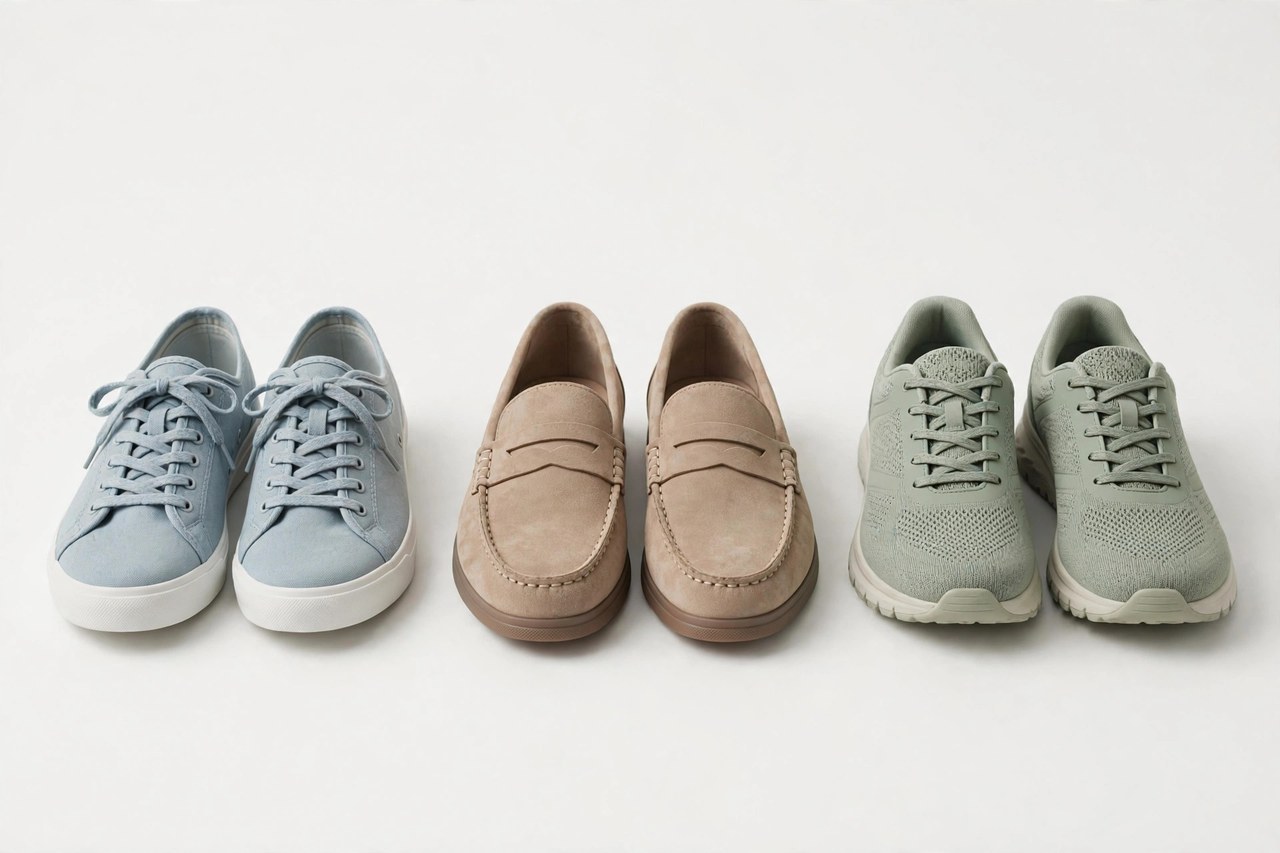
Casual shoes are the quiet majority of most women's shoe collections - the pairs reached for on ordinary days, when nothing special is planned but plenty of walking will happen anyway. They include sneakers worn off the court, loafers, ballet flats, slip-ons, boat shoes and dedicated walking shoes, united by one priority: comfort you can forget about from morning to evening.
Because casual shoes are worn so often, small flaws in fit or support compound quickly into tired legs and sore feet. This guide runs through the main everyday styles and where each shines, what genuine all-day comfort is actually made of, how to fit a shoe meant for hours of wear, the materials that suit daily use, simple care, and how to build a small rotation that covers a whole week.
The Everyday Styles
Sneakers lead the category: clean leather or canvas low-tops dress up surprisingly well, while chunkier retro styles trade polish for cushioning. Loafers bridge casual and smart, slipping on with trousers, jeans or dresses. Ballet flats and Mary Janes pack flat for travel and soften tailored outfits, though the thinnest versions offer little support. Slip-ons and mules win on pure convenience for quick trips out the door.
Purpose-built walking shoes deserve their own mention: they add the cushioning, arch support and durable tread of athletic footwear in quieter, more versatile styling. Boat shoes, espadrilles and casual ankle boots round out the seasonal edges of the category. Most women find three families cover nearly everything - a sneaker, a loafer or flat, and a walking shoe - rotated by weather and how far the day will take them.
What All-Day Comfort Is Made Of
Comfort is engineering, not softness. A cushioned insole helps for the first hour, but lasting comfort comes from a combination: a supportive arch that shares the load, a firm heel counter that stops the foot rolling, a sole with enough substance to shield the foot from pavement, and an upper that holds the foot without pressure points. Shoes that feel like slippers in the shop often feel like cardboard by late afternoon.
Weight matters more than most shoppers expect - heavy shoes tax your legs with every step across a long day. Flexibility matters too, but in the right place: a good casual shoe bends at the ball of the foot, not in the middle of the arch. Removable insoles are a quiet bonus, letting you add your own orthotics or replace the factory insert when it packs down, which it will long before the shoe wears out.
Fit for Hours of Wear
Try casual shoes in the afternoon, when feet have expanded to their working size, and walk the shop floor properly rather than taking two dainty steps. Your toes should never touch the end, the widest part of your foot should sit in the widest part of the shoe, and the heel should stay put without the laces or strap being cranked down. Any spot that rubs in five minutes will blister in five hours.
Socks change fit more than size charts admit: a trainer sock, a cushioned walking sock and bare feet in a loafer are three different fits in the same shoe. If you stand or walk for work, consider going up half a size and choosing a wide fitting rather than enduring a squeeze. And break new pairs in on short outings first - even comfort shoes earn trust gradually.
Materials, Care and a Working Rotation
For daily wear, leather uppers mould to the foot, resist odours better than synthetics and survive years of rotation; canvas and knit are cooler and washable but show dirt and lose shape sooner. Rubber outsoles outlast foam ones, and darker colours forgive city grime. A weekly wipe-down, a wash or replacement of insoles every few months, and rest days between wearings keep a casual rotation fresh - shoes worn daily without rest wear out in a fraction of their potential life.
Build the rotation deliberately. Two everyday pairs alternated last far longer than the same two pairs worn in sequence, because foam and leather both recover between outings. Add one pair a season rather than replacing everything at once, retire shoes when the tread smooths or the midsole feels dead underfoot, and your casual collection stays comfortable, presentable and surprisingly small.
Women's Footwear Categories
Women's Casual Shoe Guides & Resources
- Women's Shoes
- Shoe Search
- Women's Shoe Stores
- Women's Shoe Wholesalers
- Where to Buy Shoes
- Footwear Definitions
- After Sport Shoes
- Canvas Shoes
- Clogs
- Corporate Casual Shoes
- Designer Shoes
- Duty Shoes
- Espadrille Shoes
- Flats
- Loafers
- Mary-Janes
- Mule
- Nurse Shoes
- Oxfords
- Platform Shoes
- Slip On Shoes
- Sports Shoes
- Suede Shoes
- Trend Shoes
- T-Strap Shoes
- Walking Shoes
- Wedge Shoes
- Work Shoes
- Woven Shoes
- Fashion Industry
Looking for Women's Clothing Stores?
This guide helps you choose women's casual shoes comfortable enough for all-day wear, from sneakers and loafers to walking shoes. To browse where to buy, visit our women's clothing store directory, where you can find retailers that carry them.