Women's Comfort Shoes Guide
Engineered, not just padded — true comfort shoes combine arch support, cushioning, and honest fit for feet that work all day.
Shop Women's Comfort Shoes Now
Shop Women's Comfort Shoes on Amazon Shop Women's Comfort Shoes on eBayThe Amazon and eBay links on this page are affiliate links. If you make a purchase through them, Apparel Search may earn a commission.
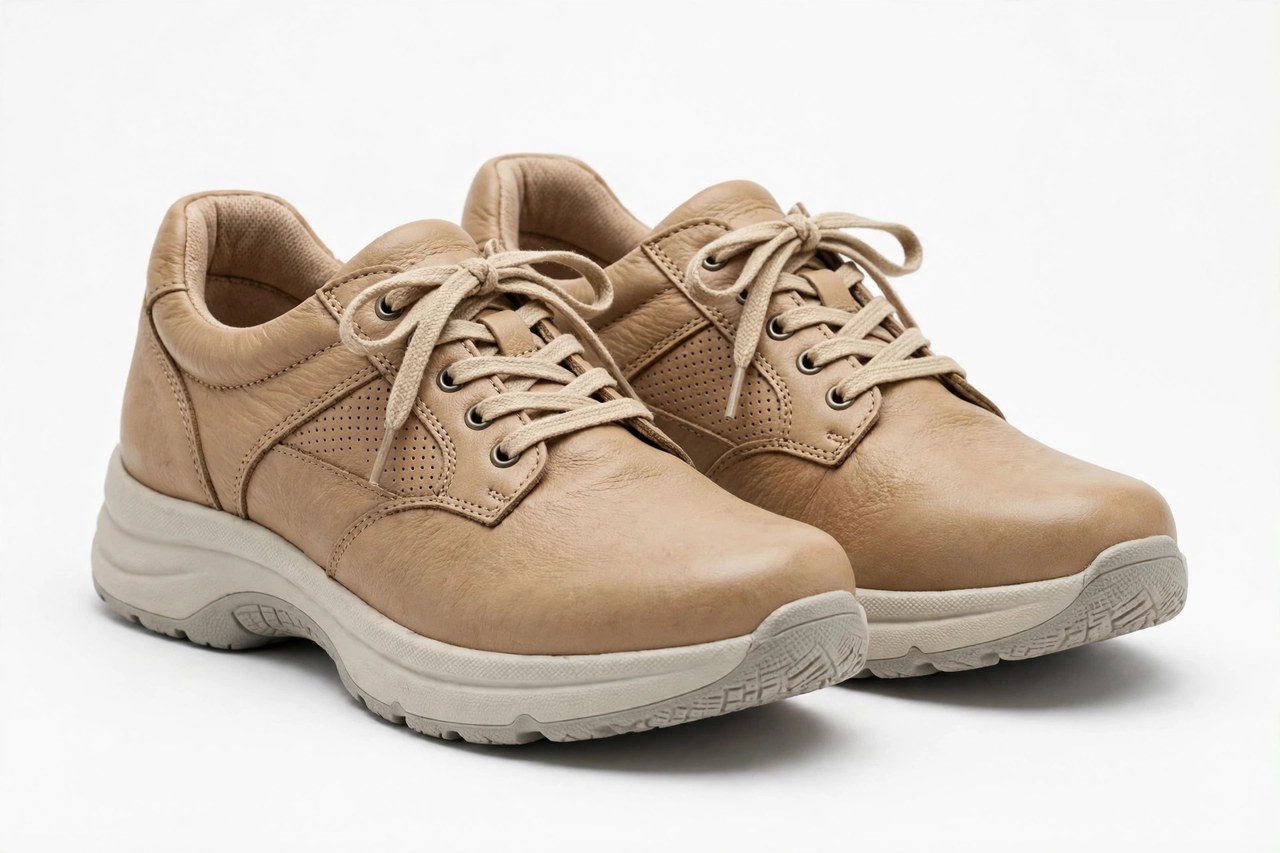
Comfort shoes are footwear designed around the mechanics of the foot rather than around a silhouette. Where a fashion shoe asks the foot to adapt, a comfort shoe is built to fit it: shaped arch support, layered cushioning, a toe box that lets toes spread, a stable heel, and uppers that flex where the foot flexes. The category spans walking shoes, comfort loafers and flats, cushioned work shoes, and supportive sandals and boots, and it matters most to the women who need it most — nurses, teachers, retail and hospitality staff, and anyone whose day is measured in hours standing rather than steps counted. It also matters with age, injury, and conditions such as plantar fasciitis, bunions, and arthritis, where the wrong shoe turns an ordinary day into an endurance test. This guide explains the engineering in plain terms, so you can judge a shoe by what is inside it instead of by the word comfort printed on its box.
Arch Support: The Foundation
The arch is the foot's own shock-absorbing structure, and a comfort shoe's first job is to support it rather than let it collapse flat with every step. Good support means a contoured footbed that rises to meet the arch, spreading load across the whole sole instead of concentrating it at heel and ball. Flat foam insoles, however thick, do not do this job; they cushion impact but allow the arch to flatten unsupported, which is why some very soft shoes still leave feet aching. Support needs differ: high arches want cushioning plus contact under the arch, flatter feet want firmer support that resists overpronation, and many women benefit from shoes with removable insoles that accept prescribed orthotics. Test support by pressing the insole — the arch area should feel shaped and resilient, not flat and squishy — and by standing in the shoe: you should feel gentle contact under the arch without pressure points.
Cushioning, Rockers, and Stability
Cushioning is the second layer of the system. Modern comfort shoes stack foams of different densities: softer foam against the foot for immediate comfort, firmer foam below for durability and control, sometimes with a slight rocker sole that curves the shoe so the foot rolls forward instead of bending sharply at the toes — a real help for stiff big-toe joints, forefoot pain, and long walks. Stability features work quietly alongside: a firm heel counter that cups the heel and prevents sideways rolling, a wide enough sole base to feel planted, and a shank through the midfoot that keeps the shoe bending only where the foot bends. Beware the extremes. Maximum softness with no structure can feel wonderful in the shop and exhausting by evening, as your muscles work to stabilize every step; rock-hard support shoes punish feet that need shock absorption.
Comfort for Standing Jobs
Standing and walking punish feet differently. Walking moves blood and varies the load; standing still concentrates pressure on the same points for hours, which is why retail, healthcare, and hospitality workers often ache more than people who cover miles. For standing jobs, prioritize a contoured, supportive insole over maximum softness, a slight heel or wedge that shifts a little weight forward off the heel, slip-resistant soles for polished floors, and uppers that wipe clean and never pinch by hour ten. Rotate at least two pairs across the week, because foam needs a day to recover its shape and shoes need a day to dry. Compression socks, regular short walks, and rolling the foot on a ball after a shift all help, but they support the shoe's work rather than replacing it.
Fit: Width, Volume, and the End-of-Day Test
Comfort shoes fail most often at fit, not engineering. Shop late in the day, when feet are at their largest, and bring the socks you will actually wear. Toes must lie flat with room to wiggle and spread; a rounded, foot-shaped toe box is the comfort category's signature advantage, and it matters doubly for bunions and hammer toes, which need height in the toe box as well as width. Use the fittings honestly — many comfort brands offer narrow, standard, wide, and extra-wide, and the right width removes pressure that no insole can fix. Check volume as well as length: feet with high insteps or swelling need adjustable closures, so laces, straps, and zips are comfort features, not decorations. Walk for several minutes, stand still, and rise onto your toes; the heel should stay settled, the arch supported, and nothing should rub. Finally, test with your orthotics in place if you wear them.
Materials, Adjustment, and Care
Soft, breathable uppers are the comfort standard: full-grain leather that molds, stretch fabrics and knits that yield over bunions and sore joints, and linings chosen to be smooth and moisture-managing. Seams over toe joints are a warning sign; good comfort shoes move seams away or use stretch panels exactly there. Adjustability extends a shoe's life across the day and the seasons, since feet swell in heat and with fatigue: lacings that open wide, straps that adjust at several points, and removable insoles that let you tune the fit with a thinner or thicker insert. Care keeps the engineering alive. Air shoes between wears, replace factory insoles when their cushioning stays compressed — often well before the uppers wear out — and treat loss of support as wear, even if the shoe still looks presentable. A comfort shoe that no longer supports is finished, however pretty it remains.
Related Women's Guides
Photos

Looking for Women's Clothing Stores?
This guide helps you choose women's comfort shoes by style, material and fit. To browse where to buy, visit our women's clothing store directory, where you can find retailers that carry them.