Women's Comfort Sandals Guide
Open toes do not have to mean tired feet — comfort sandals put real footbeds, arch support, and adjustable straps into summer footwear.
Shop Women's Comfort Sandals Now
Shop Women's Comfort Sandals on Amazon Shop Women's Comfort Sandals on eBayThe Amazon and eBay links on this page are affiliate links. If you make a purchase through them, Apparel Search may earn a commission.
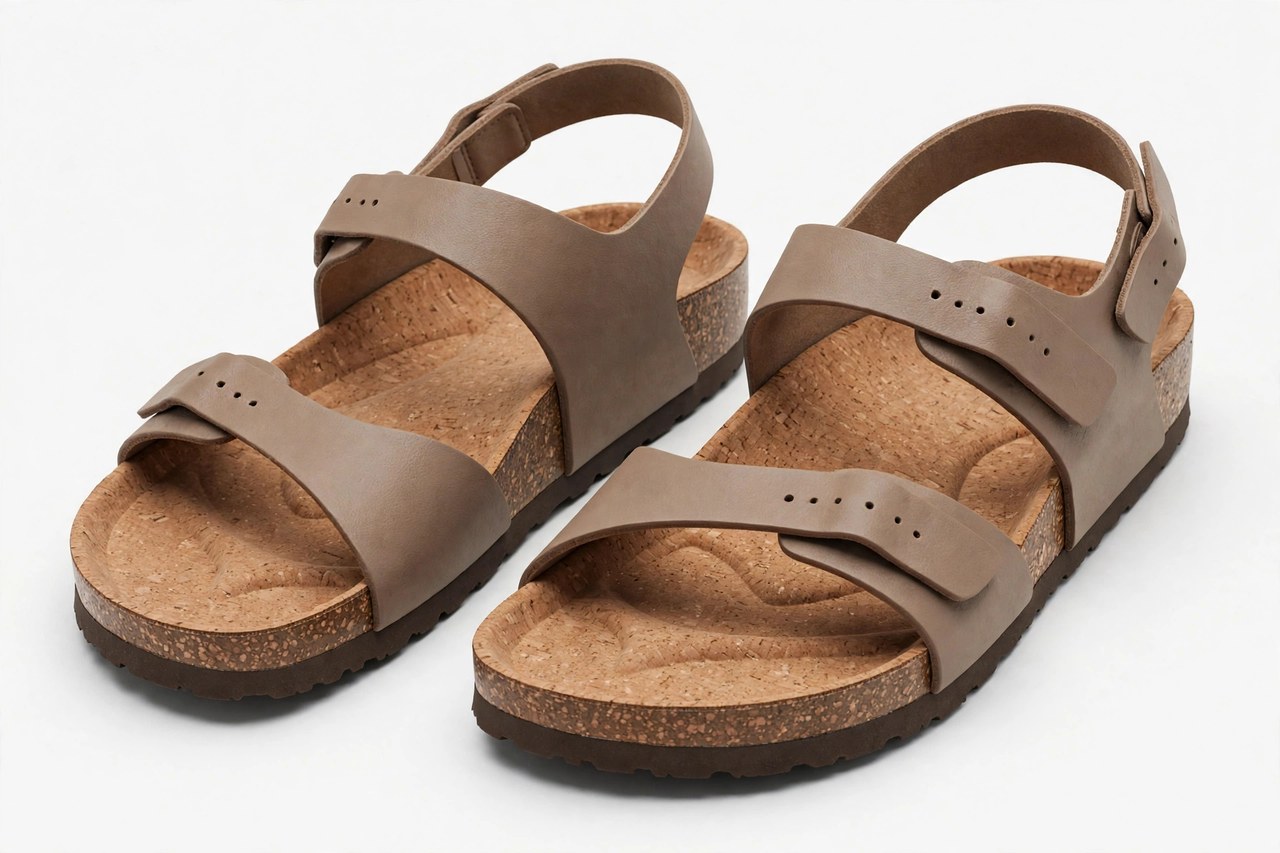
A comfort sandal is an open shoe built on a supportive footbed — the summer answer to the comfort shoe. Ordinary flat sandals are little more than a sole and straps, charming for an hour and punishing for a day; comfort sandals instead shape the sole to the foot, with a contoured arch, a cupped heel, and cushioning that survives real walking. The category includes cork-footbed classics, cushioned walking sandals with lugged soles, supportive slides and thongs, and dressier comfort sandals that hide their engineering under leather straps and modest wedges. They exist because summer concentrates exactly the activities that test feet: travel, sightseeing, festivals, markets, and long warm evenings on hard ground. Choosing well means judging a sandal from the sole up, the reverse of how most people shop. This guide explains footbeds, straps, and fit so your summer shoes can cover the same distances as your winter ones, just with better air circulation.
Footbeds: Cork, Foam, and Contours
The footbed is the sandal. Cork-latex footbeds are the classic construction: a shaped bed of cork blended with latex that starts firm, then compresses gradually to mirror your footprint over the first weeks of wear, giving semi-custom support with a raised arch, a deep heel cup, and often a toe grip ridge that your toes hold as you walk. Molded foam footbeds deliver comfort immediately, with resilient cushioning and anatomically shaped arches; they suit travel and water better than cork and need no break-in, though they do not personalize the same way. Rubber and EVA sport footbeds add wet grip and easy cleaning for beach-to-street sandals. Whichever material, judge the shape: run your hand over the footbed and feel for a genuine arch rise, edges that cradle the heel, and enough thickness that the bed will not pack flat in a month. A sandal whose footbed is flat, whatever its straps promise, is a fashion sandal in comfort clothing.
Styles: Walking Sandals, Slides, and Dressier Options
Walking sandals are the workhorses: three adjustable straps usually — toes, instep, and a heel strap that locks the foot to the bed — over a cushioned, lugged sole built for pavements, paths, and sightseeing days. The heel strap is what separates a walking sandal from a slide, because it stops the foot sliding and the toes clawing to keep the shoe on. Slides and two-strap sandals suit shorter distances and are the easiest on and off, ideal for holidays and home-to-cafe wear. Posture and sport sandals add toe posts with shaped beds; a well-designed thong sandal with arch support is a revelation to anyone who assumed flip-flops must hurt. Dressier comfort sandals use leather uppers, metallic finishes, and low wedges over the same supportive beds, covering summer weddings and smart dinners without a change of shoes.
Straps, Adjustment, and Upper Materials
In a sandal, straps are the fit system, so adjustability is everything. Look for straps that adjust at multiple points with buckles or hook-and-loop fastenings, padded where they cross bony areas, and positioned so none saws at the ankle bone or the base of the toes. Leather straps soften and mold with wear and look smartest, but need breaking in and dislike soaking. Padded synthetic and webbing straps are water-friendly, dry fast, and suit sport and travel sandals. Between the toes, a post should be smooth, soft, and correctly placed; a badly placed post cannot be fixed by willpower. Check strap attachment points by tugging: they should be anchored into or under the footbed, not merely glued to its surface.
Fit and Break-In for All-Day Wear
Fit sandals in the afternoon and judge them standing, since feet spread under load. Your foot should sit entirely within the footbed's raised edges, with a small margin — roughly a few millimeters — at heel and toes; a foot overhanging the bed loses the benefit of its contours, while a bed far too large lets the foot swim and rub. Toes should never grip to keep the sandal on during a normal stride, which indicates either a missing heel strap, straps set too loose, or a bed too flat for you. Cork footbeds need a genuine break-in: wear them for short periods over the first week or two while the cork molds, and expect the dark footprint that develops to be a sign of success, not dirt. Foam beds should feel right immediately and should not be bought on a promise. If you wear orthotics, look for the growing number of comfort sandals with removable footbeds.
Styling, Travel, and Care
Comfort sandals have outgrown their purely practical image. Leather cork-bed sandals in tan, black, or metallic finishes pair naturally with summer dresses, linen trousers, and shorts, while sleek walking sandals suit the sportier, utility end of summer dressing. For travel they are close to perfect: one walking sandal plus one dressier comfort pair covers most warm-weather itineraries, and both tolerate being worn all day. Keep the look clean; shaped footbeds read as intentional, whereas grubby beds and frayed straps do not. Care is simple but specific. Wipe footbeds regularly, since sweat and sunscreen darken and eventually crack cork; specialist cork sealant refreshes the edges and slows crumbling. Let sandals dry away from direct heat, brush suede beds gently when they shine smooth, and wash foam and sport sandals in cool water and air-dry. Store them flat rather than hanging by straps.
Related Women's Guides
Photos

Looking for Women's Clothing Stores?
This guide helps you choose women's comfort sandals by style, material and fit. To browse where to buy, visit our women's clothing store directory, where you can find retailers that carry them.