Women's Designer Shoes
From hand-finished Italian pumps to sculpted sandals, designer shoes reward you in fit, leather and lasting shape — if you know what to check.
Shop Women's Designer Shoes Now
Shop Women's Designer Shoes on Amazon Shop Women's Designer Shoes on eBayThe Amazon and eBay links on this page are affiliate links. If you make a purchase through them, Apparel Search may earn a commission.
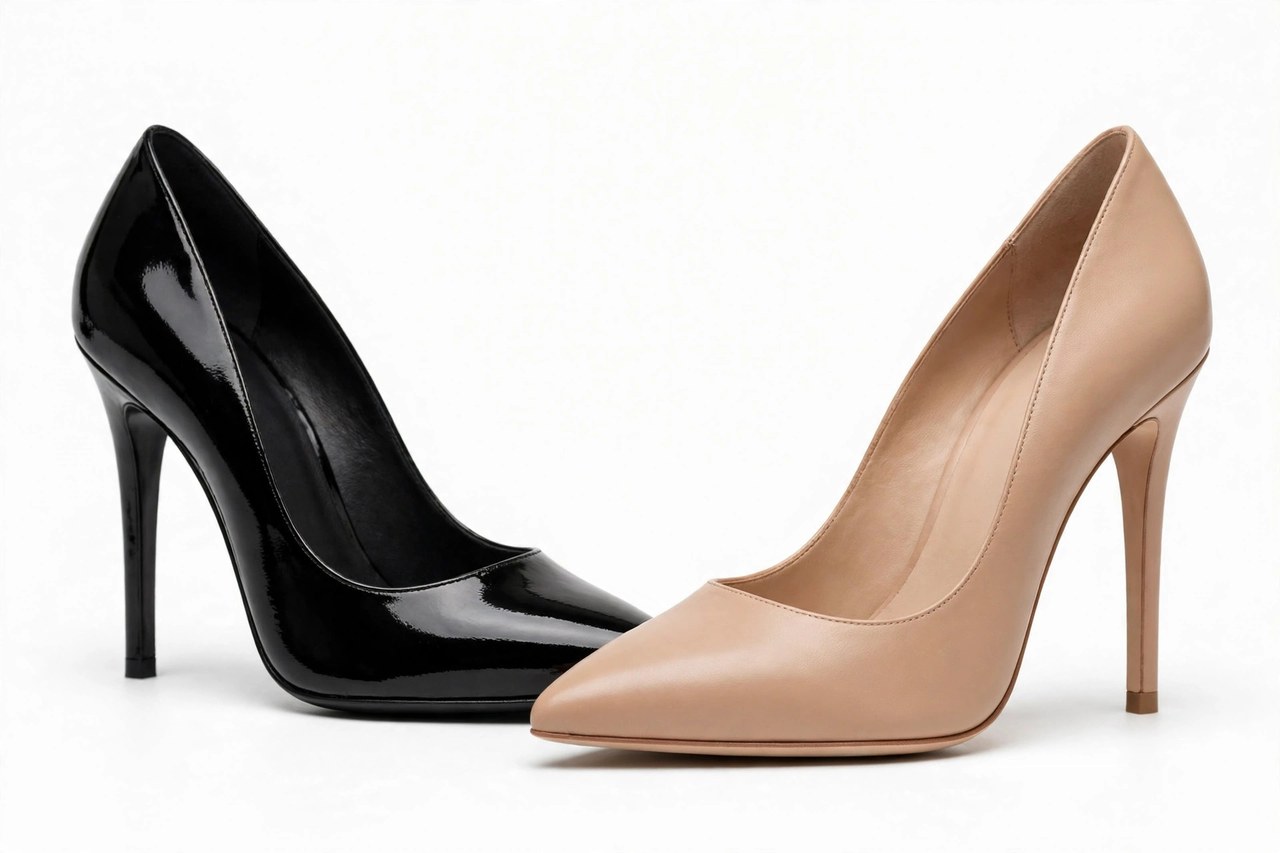
Designer shoes are an exercise in small tolerances. A few millimetres in the last, a better grade of leather, a heel set at exactly the right pitch — together they decide whether a beautiful shoe is also a wearable one. The best houses, many still making in Italy and Spain, treat the shoe as architecture for the foot: balanced, proportioned, and finished inside as carefully as outside.
That does not mean every expensive shoe is comfortable, or that you are only paying for a logo. You are paying for materials that mould to your foot, construction that can often be resoled or repaired, and shapes that stay current because they were well drawn in the first place. This guide separates the real quality signals from the theatre, so you can buy once and wear for years.
Craftsmanship: Italy, Spain and the Last
Much fine women's footwear still comes from Italy's Marche region and from specialist factories around Alicante and Elda in Spain, where pattern cutting, lasting, and hand-finishing remain skilled trades. A shoe is built over a last, the form that defines its toe shape, waist, and heel pitch. Designer lasts tend to be more refined, with a shaped arch and a narrower waist that hugs the midfoot, which is why the same size can feel entirely different between brands.
Leathers are typically full-grain calf, suede, or nappa, chosen for even texture and dyed through for depth of colour. Linings are leather too, not synthetic, so the shoe breathes and stretches gently where you need it. Stitching should be even and close, edges inked or painted smoothly, and pairs should mirror each other exactly. Turn a shoe over and over in good light — fine making survives that inspection.
Soles, Heels and Iconic Styles
A leather outsole, often with a stitched or Blake construction, is traditional on dress shoes: slim, elegant, and resoleable by a good cobbler, though slippery at first and best kept for drier days. Rubber inserts or full rubber soles add grip and weather resistance with a slightly sportier feel. Heel construction matters just as much: a well-set heel sits centred under your weight, does not wobble, and is wrapped cleanly in leather or lacquer without gaps at the breast of the heel.
Certain silhouettes recur because they work: the pointed or almond pump, the Mary Jane with a strap that truly holds the foot, the strappy evening sandal, the sleek ankle boot, and the polished loafer borrowed from menswear and refined. Heel heights cluster around a walkable 50 to 70 millimetres for day and higher, slimmer stilettos for evening. A block or flared heel distributes pressure and is the honest choice if you will be standing or walking any distance.
Authenticity, Quality Markers and Price Logic
Authentic designer shoes come with consistent details: cleanly embossed or printed branding in the correct font, a style name or code on the box and insole that matches, even sizing stamps, and dust bags and boxes finished to the same standard as the shoes. Weight should feel balanced, glue should never be visible at the sole edge, and the scent should be of leather, not chemicals. Buy from the house, authorised retailers, or reputable resale with authentication if a deal looks implausibly cheap.
Price reflects leather grade, hand-finishing time, and how much of the shoe is made in-house, as well as the house's positioning. You get the most value from a core style in black, nude, or a rich neutral that pairs across your wardrobe, bought in a construction a cobbler can maintain. Fashion-forward colours and embellishments are joyful, but cost per wear favours the pair you will choose on an ordinary Tuesday as well as for an occasion.
Comfort Trade-Offs, Fit and Care
Be candid about comfort. A very high, thin heel and a sharply pointed toe will always ask more of your feet, however fine the making; padding, a leather insole, and correct size soften but do not erase physics. Fit in the afternoon, when feet are slightly fuller, with the hosiery you plan to wear. Your toes should not press the end, the heel should not slip excessively, and the widest part of your foot should sit at the widest part of the shoe. Leather gives a little; length does not.
Care extends life dramatically. Rotate pairs so leather rests a day between wears, use shoe trees for closed styles, and add thin rubber sole protectors once leather soles have scuffed in. Clean with a soft cloth, condition calf leather sparingly, brush suede dry, and store in dust bags away from heat and light. Resole and re-heel before wear reaches the upper, and a well-bought designer shoe can serve for a decade rather than a season.
Related Women's Guides
The Craft of Footwear Design
Footwear design is the art of applying design, aesthetics and natural beauty to footwear of every kind — from catwalk and high-street fashion shoes to sports sneakers and beach flip-flop sandals. Working shoe designers research consumer trends and interpret them for their audience, balancing shoes designed for comfort and the elements against shoes designed purely for visual appearance. The craft calls for a creative eye, a flair for color and real knowledge of footwear construction. Some successful designer shoe names include Manolo Blahnik, Jimmy Choo, Salvatore Ferragamo, Steve Madden, Bruno Magli, Stuart Weitzman and Giuseppe Zanotti.
Designers work for fashion houses, footwear brands supplying high-street stores, catalogue companies and specialist leisure and sportswear manufacturers. In high-end couture, designers usually work under their own labels, teaming up with other designers to develop one-off shoes or exclusive ranges; in the mass market, the process involves communicating with overseas suppliers and supervising production of several ranges at once. A degree in fashion design can give aspiring shoe designers a competitive edge, but success still takes a creative eye for trends, hard work and smart business choices. Within this section you can continue to our guides to women's designer boots and women's designer sandals.
Photos

Looking for Women's Clothing Stores?
This guide helps you choose women's designer shoes by label, style and fit. To browse where to buy, visit our women's clothing store directory, where you can find retailers that carry them.