Women's Canvas Shoes Guide
Lightweight, breathable, and endlessly casual — canvas sneakers and plimsolls are the fabric shoes that never really leave the wardrobe.
Shop Women's Canvas Shoes Now
Shop Women's Canvas Shoes on Amazon Shop Women's Canvas Shoes on eBayThe Amazon and eBay links on this page are affiliate links. If you make a purchase through them, Apparel Search may earn a commission.
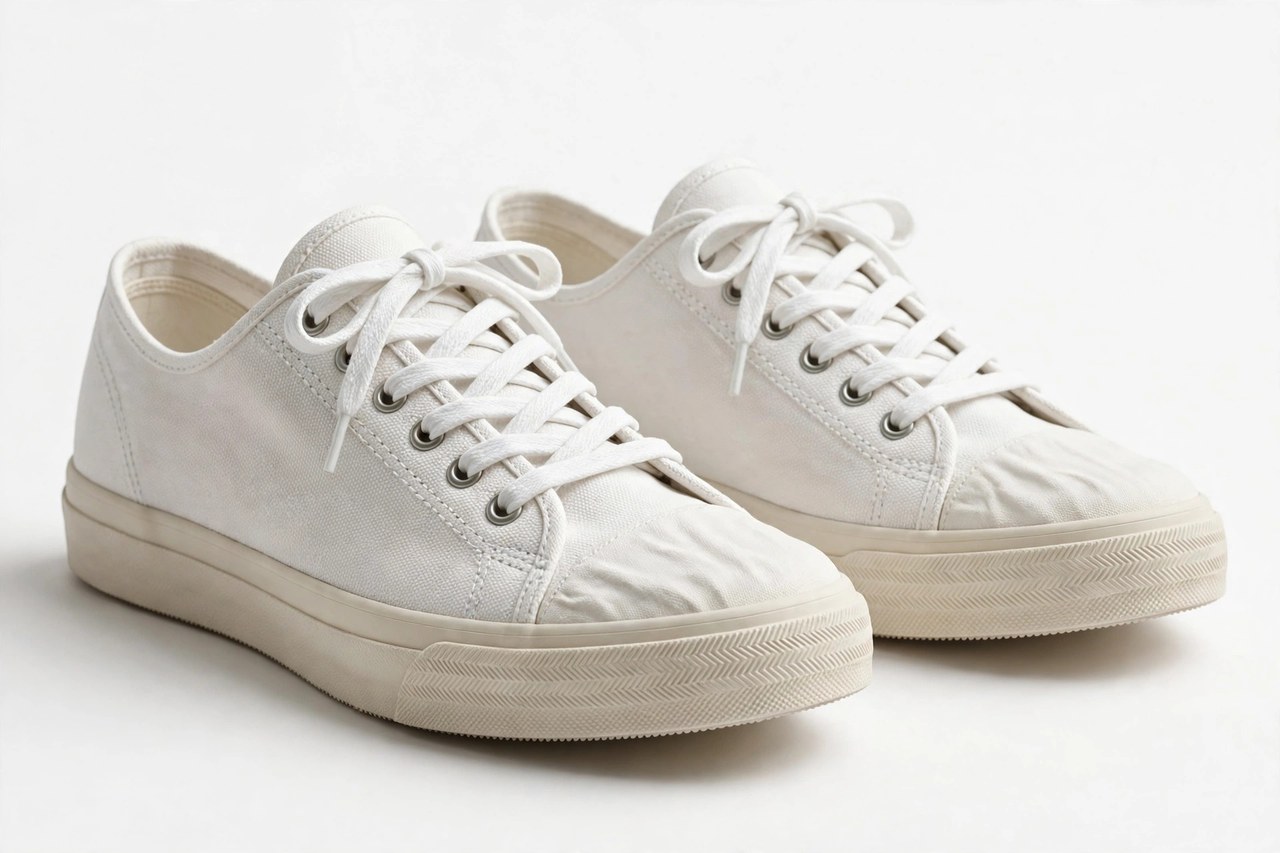
Canvas shoes are footwear with uppers woven from cotton canvas — a plain, sturdy fabric that breathes, flexes, and softens with wear. The family covers two close relations: the canvas sneaker, with a cushioned insole and athletic styling, and the plimsoll, the slimmer British original with a thin rubber sole and minimal padding. Both share the same appeal: they are light on the foot, easy to pack, usually affordable, and comfortable from the first wearing because there is no stiff leather to break in. Canvas takes dye beautifully, so these shoes appear in every color and print imaginable, from plain white to checks, stripes, and floral patterns. They are warm-weather and indoor shoes by nature, not rain or snow footwear, and understanding that limit — plus how the sole is attached — is the key to buying a pair that lasts more than one summer.
Styles: Low-Tops, High-Tops, and Slip-Ons
The low-top lace-up is the default canvas shoe, cut below the ankle and worn with almost everything casual. High-tops extend the canvas up over the ankle, a basketball-born silhouette that adds a little support, warmth, and street-style attitude, and looks best with cropped trousers or dresses that show where the shoe ends. Slip-on canvas shoes trade laces for elastic side gores; they are the fastest on and off, popular as house-to-errand shoes, though the elastic eventually relaxes and the fit loosens. Platform canvas sneakers add a thick vulcanized sole for height and a fashion lift, while espadrille-style canvas shoes stitch the upper to a rope-wrapped midsole for a summery, resort feel. Toe caps in rubber protect the front of lace-up styles and give the classic sneaker its familiar face. Whichever style you choose, plain white and off-white remain the most versatile, with navy, black, and red as the traditional second pairs.
Vulcanized Soles and Construction
Most classic canvas shoes are vulcanized: the rubber sole and foxing strip — the band wrapping the join between upper and sole — are bonded and then baked, fusing them into a single flexible unit. Vulcanized shoes flex easily, feel light, and have that clean, slightly matte rubber edge, but the bond can separate after repeated soaking, which is why canvas shoes dislike puddles and washing machines in equal measure. Cold-cemented construction, more common on fashion canvas shoes, glues a molded sole to the upper without baking; it allows thicker cushioned soles and platform shapes. Check construction by flexing the shoe: the sole should bend smoothly at the ball of the foot without the upper pulling away at the sides. Inside, better pairs add a removable cushioned insole and a canvas or cotton lining at the heel. Metal eyelets resist tearing better than stitched eyelet holes, and a reinforced heel counter, even a simple double layer of canvas, helps the shoe keep its shape.
Choosing and Fit
Canvas stretches, but only a little, and mostly across the width. Buy canvas shoes that fit correctly in length from the start, with roughly a thumb's width between your longest toe and the end, because a toe pressing the canvas will eventually wear a hole through it — the classic canvas-shoe failure. If the shoe feels snug across the toes but right in length, a wider fitting or a lace pattern that skips the lowest eyelets can relieve pressure. Try shoes in the afternoon, when feet are slightly larger, and with the thin socks or liners you actually plan to wear; many canvas shoes are worn barefoot or with no-show socks, which changes the fit by half a size of feel. High-tops should lace snugly without cutting into the front of the ankle when you bend it.
Styling Canvas Shoes Casually
Canvas shoes are the great dress-down tool. White low-tops clean up straight-leg jeans, chinos, and cotton dresses, giving a deliberate, relaxed finish that trainers sometimes make look too sporty. Colored canvas adds the accent to plain outfits — red plimsolls with navy trousers, or yellow sneakers under a white sundress. High-tops suit rolled denim, midi skirts, and shorts, where the extra ankle coverage balances bare legs. Slip-ons are the natural partner for leggings, joggers, and weekend errands. A few boundaries keep the look intentional: canvas shoes read as casual in almost every setting, so they rarely belong with tailored suiting or formal dresses, and scruffy, greyed canvas undermines an otherwise neat outfit faster than almost any other shoe. Keep one clean pair reserved for smarter casual wear and let an older pair take the festivals, gardening, and beach paths, where a washable, replaceable shoe is exactly the point.
Fabric Care: Washing and Whitening
Canvas care starts with prevention: a fabric protector spray slows staining, and removing surface dirt with a dry brush after wear stops grit working into the weave. For deeper cleaning, take out the laces and insoles, then hand-wash the shoes in cool water with mild detergent, working stains with a soft brush. Machine washing is the shortcut many makers warn against, because heat and tumbling attack the vulcanized bond and can yellow white rubber; if you do use a machine, choose a cool, gentle cycle, pad the drum with towels, and never tumble dry. Stuff the shoes with paper and air-dry them away from radiators and direct sun, which crack rubber and fade colors. White canvas can be brightened with a paste of baking soda or a specialist fabric whitener, and rubber toe caps and foxing clean up with a damp melamine sponge.
Related Women's Guides
Photos


More to Explore on Apparel Search
Looking for Women's Clothing Stores?
This guide helps you choose women's canvas shoes by style, material and fit. To browse where to buy, visit our women's clothing store directory, where you can find retailers that carry them.