Women's Ballet Flats Guide
The simplest shoe in the closet — and the one where fit and construction matter most, because there is nowhere for flaws to hide.
Shop Women's Ballet Flats Now
Shop Women's Ballet Flats on Amazon Shop Women's Ballet Flats on eBayThe Amazon and eBay links on this page are affiliate links. If you make a purchase through them, Apparel Search may earn a commission.
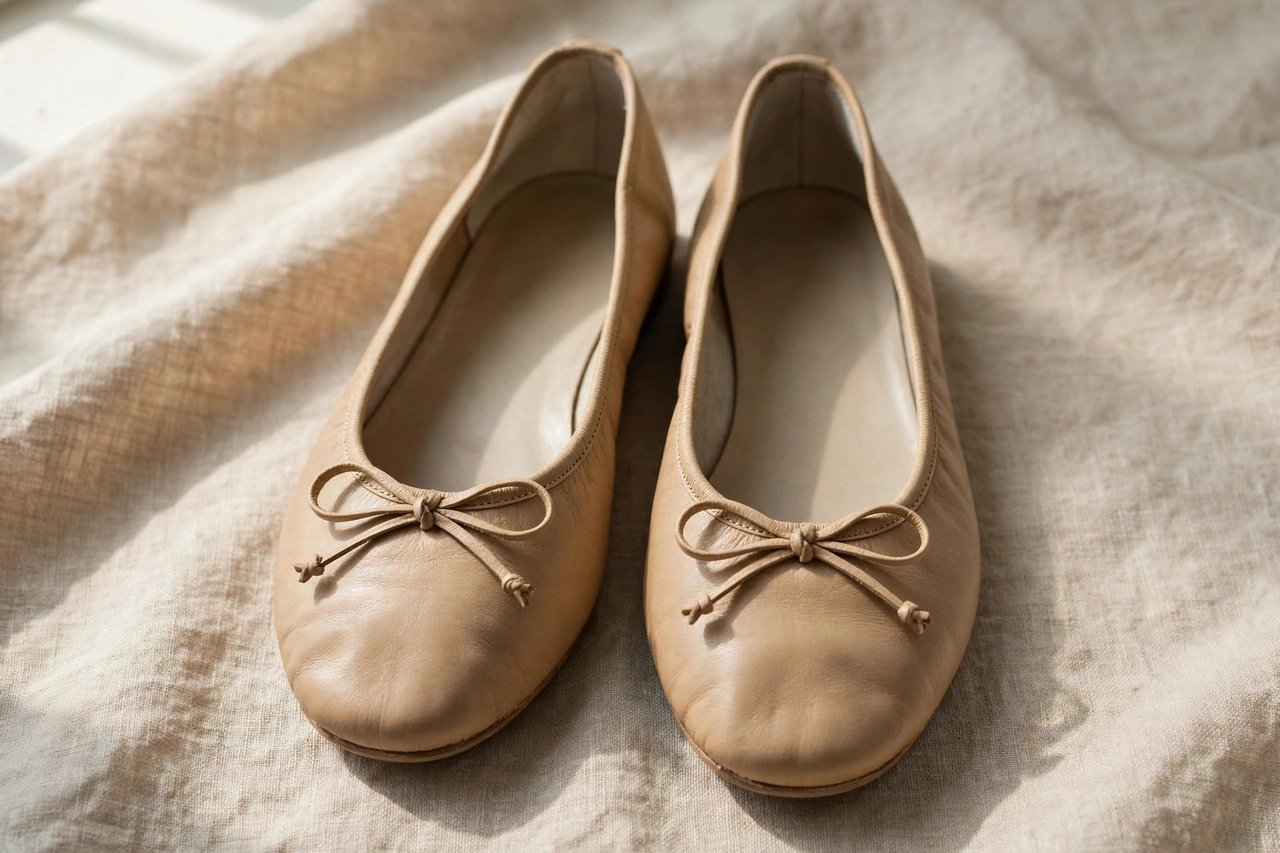
Ballet flats began as a fashion adaptation of the dancer's soft slipper, popularized in the 1950s when screen icons wore them with cropped trousers and full skirts alike. The design has barely changed since: a low-cut upper that shows the top of the foot, a rounded or softly shaped toe, a small bow or plain front, and a thin, flexible sole with little or no heel. That simplicity is the appeal — flats pair with nearly everything, pack flat for travel, and move an outfit from formal to relaxed without effort. It is also the trap, because a shoe with almost no structure offers almost no forgiveness. A ballet flat that fits well disappears on the foot; one that fits badly pinches toes, slips at the heel, and blisters within a block. This guide covers the construction details and fit checks that separate a lifelong favorite from a painful mistake.
Construction: What a Good Flat Is Made Of
Start with the upper. A quality flat wraps the foot in a single shaped piece or a few clean panels, with the topline — the edge around the opening — finished with binding that prevents stretching and fraying. Many styles add a short elastic section or a full elastic topline that hugs the heel. Inside, look for a smooth lining with no rough seams over the toes, and a cushioned insole; memory foam and padded arch cookies appear even in slim designs and make a genuine difference by the end of a day. The sole tells you the shoe's ambitions. Glued thin soles are lightest and most flexible but wear quickly on pavement. Stitched or molded soles with a small stacked heel last longer and give a fraction more ground clearance. Some modern flats add a split sole or deep flex grooves borrowed from dance shoes, letting the foot bend naturally. A tiny bow is traditional; knotted, jeweled, or metal-tipped bows change the dressiness without changing the shoe.
The Toe Box and the Break-In Myth
Toe shape decides comfort more than any other feature. Round toes are the classic and suit most feet, giving toes room to lie flat. Almond and pointed toes lengthen the leg line and dress up an outfit, but they compress the toes sideways, so they demand a more careful fit and often a half size up. Square toes, revived from dance-inspired fashion, offer the most forefoot room of all. Here is the myth to discard: a ballet flat should not need breaking in at the toes. Leather will relax slightly across the width, but a shoe that pinches your toes or forces them to curl on day one will never stretch enough in length, and wearing it hopefully is how blisters and bunions get worse. The correct fit allows your toes to lie flat and wiggle, with a small gap at the front when standing. If your toes press the end while seated, they will jam forward with every step once you walk.
Leather Versus Synthetic Uppers
Leather remains the benchmark for ballet flats because it breathes, softens to the shape of your foot, and repairs well. Smooth calfskin is the versatile standard; patent leather adds shine and shrugs off rain but can crack at flex points over time and feels stiffer in cold weather. Suede is softest straight from the box and molds beautifully, though it marks easily and needs protector spray. Fabric flats in canvas, satin, or knit are lighter and often cheaper; stretch-knit versions in particular fit like socks and suit wide feet, but they offer little structure and show wear sooner. Fully synthetic uppers vary the most — good microfiber versions are supple and water-resistant, while cheap vinyl traps heat and cracks. Whichever material you choose, bend the shoe gently in the shop: the upper should crease softly without sharp folds, and the heel counter should feel firm enough to hold your heel rather than collapsing under thumb pressure.
Fit Problems and Simple Fixes
Heel slipping is the most common complaint. A small amount of slip in a brand-new leather flat usually settles as the sole flexes and the upper molds, but slipping that lifts your heel clear of the shoe means it is too long or too wide — try a half size down or a narrow fitting before reaching for insoles. Heel grips and moleskin pads solve minor rubbing at the back seam. If the topline digs into the top of your foot, the cut is too low or tight for your instep; a style with elastic binding usually fixes it. Flats that gape at the sides when you walk are too wide through the waist of the shoe. For all-day wear, be honest about support: traditional flats have almost no arch support, so if your feet ache after hours of standing, choose a comfort design with a contoured footbed, or rotate flats with more structured shoes across the week rather than wearing any single pair daily.
Styling Ballet Flats With Everything
Few shoes cover as much wardrobe ground. With cropped or ankle-length trousers, flats show a clean line of ankle that lengthens the leg; with skinny jeans they keep the look neat, and with wide-leg trousers choose a pointed toe so the shoe reads as intentional rather than lost under fabric. Dresses and skirts are the natural pairing — flats calm a dressy skirt for daytime and keep a sundress effortless. For work, a leather flat in black, navy, or a deep jewel tone with minimal hardware substitutes for a pump in most offices, especially in a pointed or d'Orsay cut. Color strategy matters: a nude-to-you tone creates the longest leg line with dresses, metallics act as neutrals that lift plain outfits, and a red or leopard flat turns basics into an outfit on purpose. Keep one polished pair for events and one hard-wearing pair for commuting, and your flats will handle everything from weddings to airport sprints without missing a step.
Related Women's Guides
More to Explore
- Apparel
- Clothing Retail Stores
- Fashion
- Fashion Designer Directory
- Fashion Designers
- Fashion News
- Footwear Definitions
- Popular Brands
- Shoe Network
- Women's Apparel Directory J
- Women's Apparel Directory N
- Women's Apparel Directory Q
- Women's Athletic Shoes
- Women's Boots
- Women's Casual Shoes Guide
- Women's Clothes Directory A
- Women's Clothes Directory C
- Women's Clothes Directory D
- Women's Clothes Directory O
- Women's Clothes Directory T
- Women's Clothes Directory V
- Women's Clothes Directory W
- Women's Clothes Directory Y
- Women's Clothes Directory Z
- Women's Clothing Directory E
- Women's Clothing Directory F
- Women's Clothing Directory G
- Women's Clothing Directory H
- Women's Clothing Directory P
- Women's Clothing Directory S
- Women's Clothing Directory X
- Women's Clothing Stores
- Women's Clothing Wholesalers
- Women's Dress Shoes Guide
- Women's Fashion
- Women's Fashion Directory I
- Women's Fashion Directory K
- Women's Fashion Directory L
- Women's Fashion Directory M
- Women's Fashion Directory R
- Women's Fashion Directory U
- Women's Footwear
- Women's Footwear Guide
- Women's Sandals
- Women's Shoe Stores
- Women's Shoes
- Women's Shoes
- Women's Trend Shoes
Looking for Women's Clothing Stores?
This guide helps you choose women's ballet flats by style and fabric. To browse where to buy, visit our women's clothing store directory, where you can find retailers that carry them.