The Hybrid Explained
A Ballet Flat on Top, a Sneaker Underneath
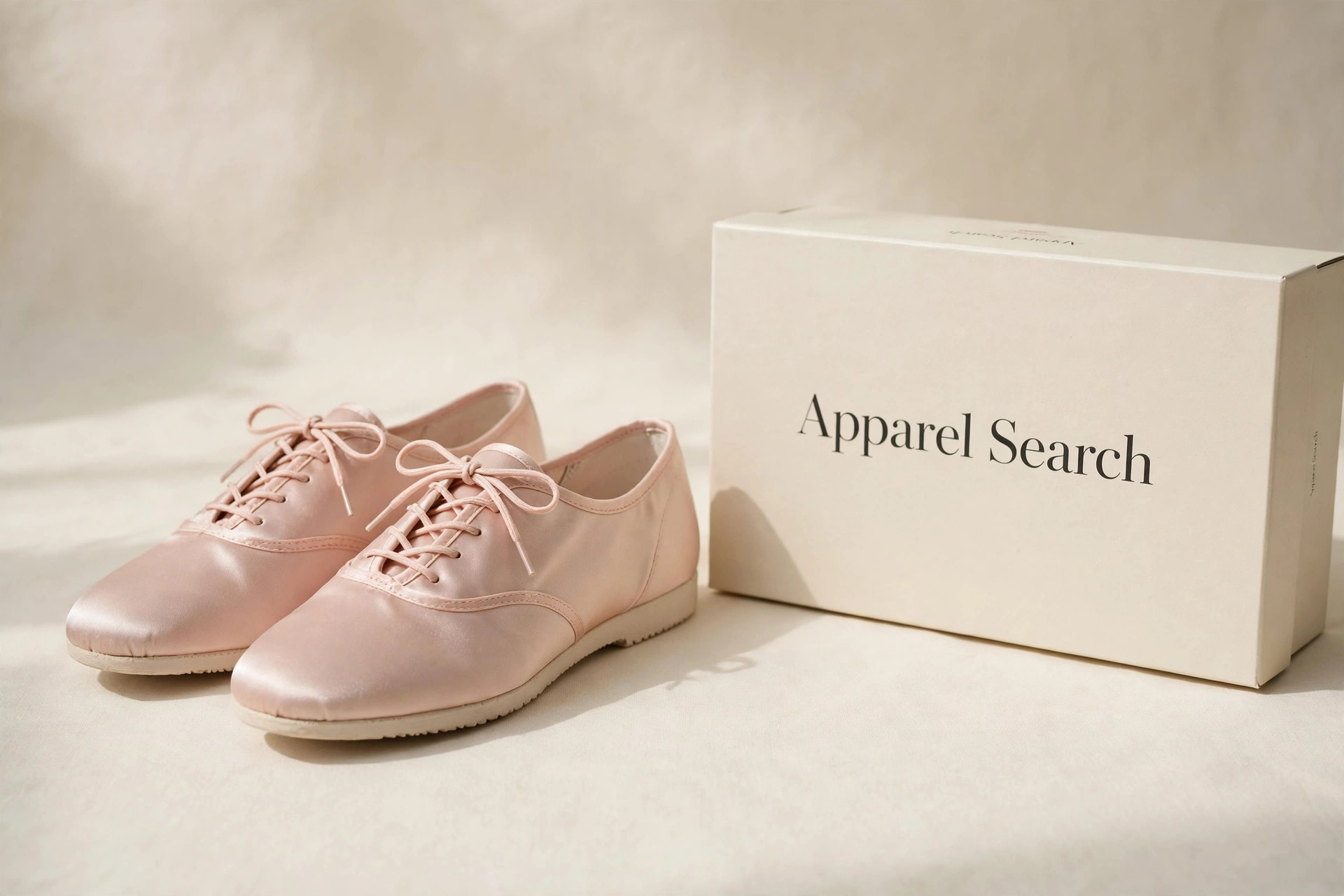
A sneakerina is a shoe with a split inheritance. From the ballet flat it takes the soft, low-cut upper, the rounded toe and the delicate details; from the sneaker it takes the rubber sole, the cushioning and the laces that actually hold the shoe on. The result — also sold as the ballet sneaker — looks like a dancer’s shoe and walks like a trainer, which is why it moved from novelty to wardrobe staple so quickly.
The name is a blend of sneaker and ballerina, and the timing was no accident. Ballet-inspired dressing had already primed wardrobes through the balletcore aesthetic, and search interest in ballet sneakers surged through 2025 as the major shoe brands released their own versions. This guide explains how the hybrid is built, the named models that define it, who wears it, and how it differs from the two shoes it sits between.
“A ballet flat that learned to walk all day — that is the whole idea of the sneakerina.”
Search Apparel Search
Anatomy
How the Hybrid Is Put Together
The upper is borrowed from the flat: satin, fine mesh, soft leather or suede cut close to the foot, with a low topline that shows the top of the foot. Many styles add the flat’s signature details — a small bow at the toe, grosgrain trim, an elasticated topline, or a Mary Jane strap across the instep. The sole is borrowed from the sneaker: a moulded rubber unit, usually slim rather than chunky, with a cushioned insole and enough tread for wet pavements. The laces do double duty — they tie like a trainer’s, often in ribbon or satin, and they solve the ballet flat’s oldest fit problem, the heel that slips, as the women’s ballet flats guide describes in detail.
The balance matters. Too much sole and the shoe reads as an ordinary trainer with a bow glued on; too little and it is a flat with delusions. The convincing versions keep the upper genuinely soft and the sole genuinely sneaker-like, and they sit in the wardrobe exactly where the women’s sneakers guide meets the flats guide.
The Names to Know
The Models That Defined the Style
Three releases come up in every account of the trend. adidas folded the idea into its slim Taekwondo line as the Taekwondo Mei Ballet, a ballet-styled version of that low-profile shoe. Puma applied ballet styling to its revived racing silhouette as the Speedcat Ballet, keeping the Speedcat’s sleek shape and adding dance-shoe detailing. At the luxury end, Louis Vuitton released the LV Sneakerina, a designer interpretation of the same formula. Around those headline names, dozens of high-street variations have followed — the shape, not any single logo, is the trend.
One shopping note: the same shoe may be labelled a sneakerina, a ballet sneaker, or a ballet trainer depending on brand and country, so search all three terms when comparing.
Who Wears Them
Who Wears Sneakerinas, and Why
The wearers are mostly women who liked the look of ballet flats but not the feel of them. A traditional flat offers almost nothing between foot and pavement; the sneakerina keeps the neat, leg-lengthening line and adds the sole that makes a day of walking realistic. They are worn as an everyday shoe — with dresses, denim and tailoring — not as sports kit, and they overlap with the dance-inspired wardrobe covered in the women’s dancewear guide, without being dance shoes themselves.
Fabrics & Construction
Satin, Mesh, Leather — and What Each Means
Satin uppers give the most literal ballet look and the least weather resistance; they mark easily and belong to dry days. Mesh versions are the lightest and most breathable, borrowing their panels from running shoes, and suit summer wear. Leather and suede are the durable, dressier options and the easiest to care for — the general routine in the sneaker care guide applies, with a soft brush for suede and a damp cloth for satin used sparingly. Inside, look for a padded insole and a textile lining; outside, a rubber sole with a fine tread pattern. Ribbon laces are the prettiest option and the first thing to wear out, so a spare pair of plain laces is a sensible drawer item.
Side by Side
Ballet Flat, Sneakerina, Sneaker: The Differences
| Ballet flat | Sneakerina | Sneaker | |
|---|---|---|---|
| Sole | Thin leather or rubber, minimal cushioning | Slim sneaker sole with real cushioning | Full athletic sole, the most cushioning |
| Upper | Soft leather or satin, low topline | Flat-style upper, often satin or mesh, with laces or a strap | Engineered mesh, leather or canvas, built up around the foot |
| Best for | Short distances, polished outfits | Everyday walking with a dressed-up line | Long distances, training, casual outfits |
In short: the flat is the dressiest and the least forgiving, the sneaker is the most forgiving and the least dressy, and the sneakerina is the negotiated settlement between them. If the flat’s side of the family appeals, how to style ballet flats covers the classic shoe; the styling page linked below does the same job for the hybrid.
Questions
Common Questions
What is a sneakerina?
A sneakerina, also called a ballet sneaker, is a hybrid shoe that pairs the soft, low-cut upper of a ballet flat — satin, mesh or soft leather, a rounded toe and sometimes a bow or strap — with the cushioned rubber sole of a sneaker. It is made for walking and everyday wear, not for dance class.
Are ballet sneakers comfortable for walking all day?
More comfortable than a ballet flat, less supportive than a proper walking or running shoe. The sneaker sole adds real cushioning and grip, but the profile is slim and the structure light, so sneakerinas suit a normal day of city walking and errands better than hikes, long shifts on hard floors, or sport.
Can you actually dance in sneakerinas?
No — and they are not sold for dancing. The rubber sneaker sole grips the floor instead of turning on it, and there is no split sole or shank of the kind dance shoes are built around. Treat the ballet side of the design as styling: for class or rehearsal, wear real dance shoes.