Women's Bridal Shoes Guide
Beautiful shoes are easy to find — beautiful shoes you can still dance in at midnight take a plan, and this is it.
Shop Women's Bridal Shoes Now
Shop Women's Bridal Shoes on Amazon Shop Women's Bridal Shoes on eBayThe Amazon and eBay links on this page are affiliate links. If you make a purchase through them, Apparel Search may earn a commission.
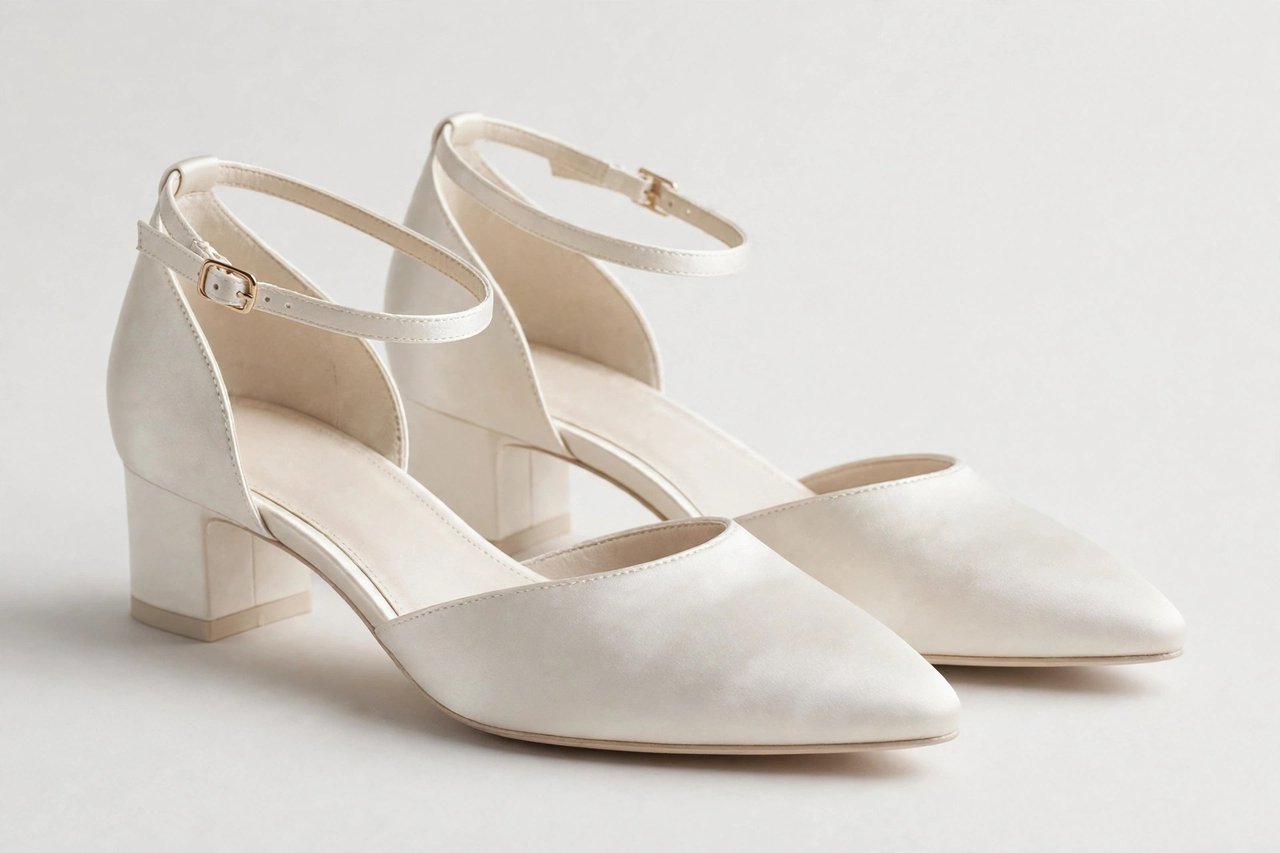
Bridal shoes carry a double burden no other wedding purchase shares: they must look exquisite in close-up photographs and then perform like athletic equipment through a ceremony, a receiving line, hours of standing portraits, and a dance floor. Most brides shop with their eyes first, which is understandable — a satin pump with a crystal buckle is a lovely object — but the shoes that earn gratitude at midnight are chosen with the schedule in mind as much as the gown.
This guide covers the decisions that make the difference: how heel height interacts with a long day and with the hem of the dress, what dyeable shoes offer and when they make sense, how to break a pair in properly, and how to keep soles safe on marble, grass, and polished dance floors. It also covers the increasingly standard strategy of the second pair, because changing shoes for the reception is no longer a compromise — it is what experienced brides plan from the start.
Heel Heights for a Long Day
Heel height is measured up the back of the heel, and small differences matter over ten hours. A kitten heel or low heel under two inches is the endurance choice: stable on grass and gravel, kind to feet unaccustomed to heels, and usually invisible as a compromise under a floor-length gown. A mid heel of two to three inches is the most popular range, giving posture and line while remaining walkable for most wearers. Block heels and wedges in this range spread weight and are far steadier outdoors than a stiletto of the same height.
High heels above three inches belong to practiced heel-wearers and short ceremonies, or to brides who have planned a reception change. Whatever height you choose, it must be fixed before the final dress fitting, because the hem is measured to the shoe: switching to a lower pair later leaves the gown dragging. Also consider the height difference you want beside your partner in photographs, and test the shoes on the actual surfaces involved — a heel that is fine on carpet can sink into a lawn or skate across a marble foyer.
Styles, Fabrics, and Dyeable Shoes
Classic bridal shoes are made in dyeable satin, silk, lace, and smooth leather, in silhouettes from pointed pumps and strappy sandals to Mary Janes, block-heel slingbacks, and embellished flats. Satin and silk match formal gowns and take embellishment well; lace shoes echo a lace dress; leather is the durable, re-wearable choice. Dyeable shoes start white or ivory and are professionally dyed to match a gown swatch exactly, or dyed after the wedding to a wearable color — navy, black, or a jewel tone — which rescues an expensive pair from a single use.
Dyeing has rules worth knowing: it should be done by a specialist with the actual fabric swatch in hand, dyed shoes can water-spot since the dye is not fully waterproof, and a protective spray helps. Embellishment is the other styling lever: crystal buckles, pearl straps, and bows are often sold as removable clips, so a plain, well-fitting shoe can be dressed up for the ceremony and simplified later. Prioritize the fit of the base shoe over decoration — sparkle can be added, but a pinching toe box cannot be fixed.
Fit and Breaking In
Shop for wedding shoes in the afternoon or evening, when feet are at their largest, and try them with the hosiery or bare foot you will actually wear. A bridal shoe should hold the heel without slipping, leave a thumb width of room for toes that swell over a long day, and never rely on the promise that painful leather will eventually give. Walk on a hard floor, not just carpet, and test stairs. If a strap rubs in the shop, it will wound by the reception, so treat any hot spot as a verdict, not a challenge.
Break the shoes in at home over two to three weeks: wear them for increasing stretches on clean floors, practice the aisle walk and a first-dance turn, and let the insole mold to your foot. Add cushioned inserts or heel grips during this period so they are part of the final fit rather than a wedding-day improvisation. On the day, moleskin, blister balm, and a small kit in the bridesmaid bag handle surprises. Shoes that have been properly broken in disappear from your attention, which is exactly where they belong.
Grip, Floors, and Outdoor Surfaces
New satin and leather soles are surprisingly slippery, and wedding venues specialize in hazardous flooring: polished stone, hardwood dance floors, wet grass, and historic church steps. Score smooth leather soles lightly with a key or fit adhesive non-slip pads at home, and test the result before the day. For outdoor photographs on lawns, clear heel protectors widen the base of a stiletto so it does not sink into turf — a small accessory that saves both the shoes and your balance in every garden shot.
Think through the full route of the day: the walk from car to venue, ceremony flooring, portrait locations, and the dance floor itself. A pair that grips well on wood may still struggle on wet pavement, so a few practice steps in each setting during the rehearsal visit is time well spent. If the forecast threatens rain, a backup plan matters more: leather shoes recover from damp with slow drying and newspaper inside, while satin shows water marks, so many brides keep an inexpensive second pair ready for bad weather and save the best pair for indoors.
The Second Pair and Aftercare
A reception pair is now standard planning: ballet flats, low block heels, embellished sandals, or even clean white sneakers chosen for dancing. The trick is hem management — tell your seamstress about the change, since a gown hemmed for heels will pool slightly with flats; many brides accept a small bustle adjustment or simply hold the skirt for dancing. Keep the second pair, already broken in, waiting with a friend rather than in a distant room, and change before your feet are sore rather than after.
After the wedding, clean shoes promptly: brush satin gently, wipe leather and condition it, and let any damp pair dry slowly away from radiators with tissue inside to hold the shape. Store them stuffed, in their box or a breathable bag, away from light that yellows white satin. If you plan to dye or resell them, do it while the style is current and the soles are lightly worn. Well-chosen bridal shoes, cared for this way, often serve for years of formal occasions — the rare wedding purchase that keeps working long after the day itself.
Related Women's Guides
More to Explore
- Bridal Corsets
- Bridal Fashion News
- Bridal Garters
- Bridal Gloves
- Bridal Gowns
- Bridal Industry Research
- Bridal Shoe Stores
- Bridal Stores
- Bridal Veil
- Clothing Retail Stores
- Fashion
- Fashion Designers
- Popular Brands
- Women's Athletic Shoes
- Women's Boots
- Women's Casual Shoes
- Women's Clothing Stores
- Women's Clothing Wholesalers
- Women's Dress Shoes Guide
- Women's Fashion
- Women's Footwear
- Women's Footwear Guide
- Women's Sandals
- Women's Shoes
- Women's Trend Shoes
Photos

Looking for Women's Clothing Stores?
This guide helps you choose women's bridal shoes by style and fabric. To browse where to buy, visit our women's clothing store directory, where you can find retailers that carry them.