Women's Bridal Fashion Guide
The dress is the centerpiece — bridal fashion is everything around it, chosen to look inevitable together.
Shop Women's Bridal Fashion Now
Shop Women's Bridal Fashion on Amazon Shop Women's Bridal Fashion on eBayThe Amazon and eBay links on this page are affiliate links. If you make a purchase through them, Apparel Search may earn a commission.
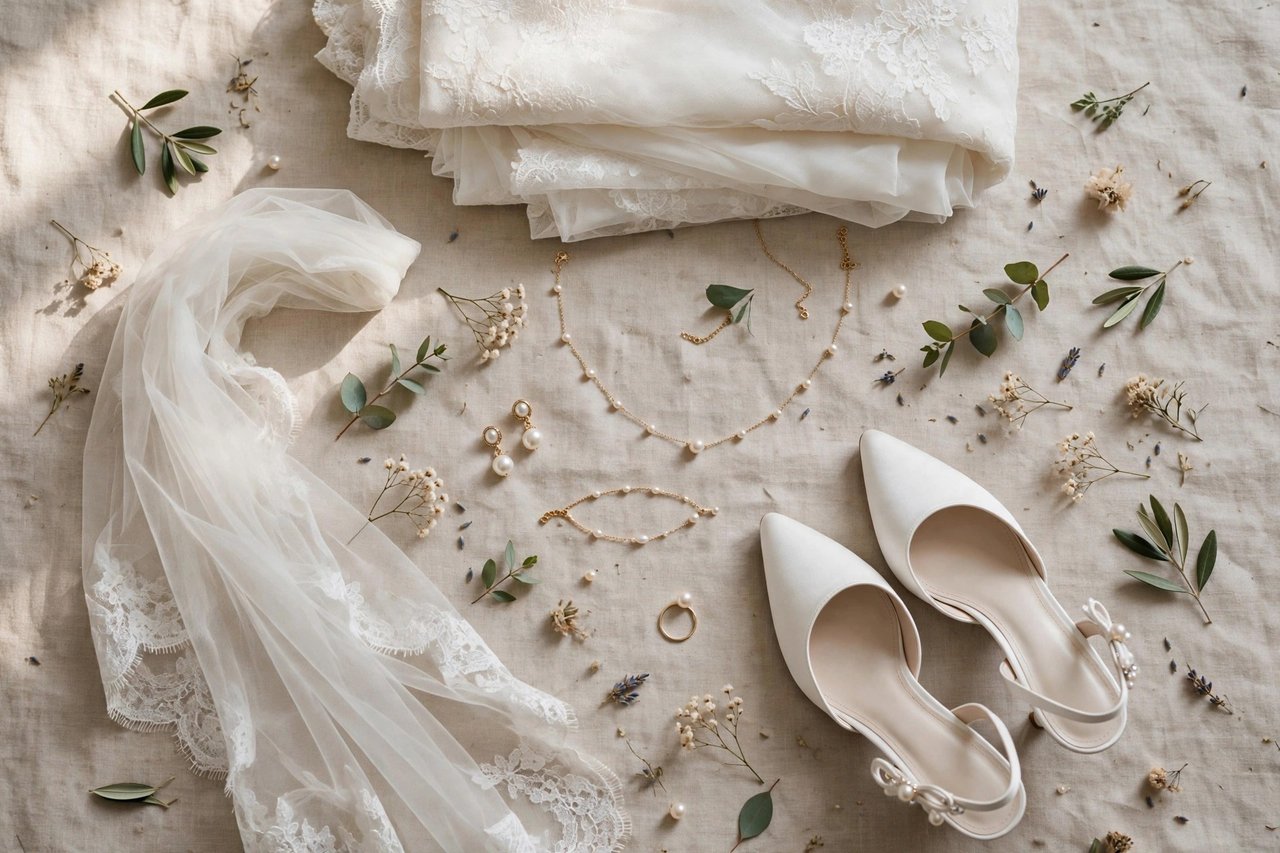
Bridal fashion is the art of the whole picture. A wedding dress chosen in isolation can be beautiful, yet the photographs record everything at once: veil, shoes, jewelry, bouquet, hair, and how they agree or argue with each other. Coordinating those elements is a learnable skill with a few reliable principles — establish a hierarchy so one piece leads, match metals and whites carefully, and let the dress's own character set the style direction for everything else. This guide works through each accessory category, explains how current trends can be borrowed without dating your photographs, and flags the small mismatches that brides notice only when the pictures come back. You do not need more accessories; you need the right ones, in the right order of decision, which almost always begins with the dress and ends with the details that frame your face.
Start With the Dress: Style Direction
Every accessory decision inherits from the dress. A heavily beaded ball gown already carries sparkle, so jewelry can retreat to simple studs and the veil should be plain-edged to avoid pattern competition. A minimalist crepe sheath, by contrast, is a blank canvas that welcomes a statement earring, an embroidered veil, or a dramatic shoe. Note the dress's neckline, since it dictates necklace logic: sweetheart and strapless bodices can carry a pendant or a collar necklace, V-necks suit a pendant that echoes the V, and high or illusion necklines usually look best with no necklace at all and the interest moved to earrings. Record the dress's exact white — bright white, ivory, champagne, blush — because veils, shoes, and even shirt whites in the wedding party are judged against it. Photograph the dress in daylight with your phone and keep that reference image with you for every accessory purchase; memory of a shade of white is notoriously unreliable after a week.
Veils, Headpieces, and Hair Together
Choose the veil after the dress and before the hair trial, because the three are one system. Length sets formality: birdcage and blusher veils feel vintage and suit shorter dresses, fingertip veils are the versatile middle, and chapel and cathedral veils extend the gown's ceremony drama. Edge finish matters more than most brides expect — a raw cut edge disappears into the dress, a satin cord edge defines the veil's shape in photographs, and a lace edge should borrow its lace from the dress itself or be plain enough not to clash with it. Headpieces anchor everything: combs and pins suit veils that will be removed at the reception, halos and headbands carry a veil-free look, and tiaras demand simple hair to stay elegant. Bring the veil and headpiece to the hair trial without exception. A style that cannot support the comb, or a veil that crushes the hairstyle it was meant to float over, is a problem you want in the salon chair, not on the wedding morning.
Shoes and Jewelry: The Supporting Cast
Bridal shoes must survive a longer day than any party shoe: ceremony standing, photographs on grass or gravel, and hours of dancing. A moderate heel you already trust beats a spectacular heel you endure, and block heels or wedges outperform stilettos on lawns. Match the shoe's white or metallic to the dress, and consider a dyeable or satin style if exact matching matters. Break shoes in at home across several evenings, scuff smooth soles lightly for grip, and pack gel cushions for the reception. Jewelry follows the metals rule: keep every metal in the look the same family — yellow gold, white gold or platinum, rose gold — including the rings, earring backs, hairpins, and any beading tone on the dress. Borrowed and heirloom pieces carry meaning that new purchases cannot, so build around them first and buy only what fills a genuine gap. Pearls suit romantic and vintage dresses, crystals suit glamorous ones, and colored stones can quietly carry your something blue.
Trends: Borrowing Without Dating the Photos
Bridal trends arrive in waves — detachable sleeves and overskirts, pearl-scattered veils, opera gloves, statement bows, short reception dresses, colored gowns. The test for any trend is whether it flatters you and your dress, not whether it is current, because wedding photographs are viewed for decades while trends cycle in five years. Borrow trends in removable layers: a detachable overskirt, a second short dress for dancing, gloves that come off, a veil style that lifts away at the reception. These give you the contemporary picture and the timeless one from the same day. Be cautious with trends that alter the dress itself permanently, such as heavy customization of a neckline, unless you would love the result in any year. Gloves deserve a specific note: they have returned strongly, in sheer tulle and lace, and they photograph beautifully, but decide in advance when they come off — rings cannot go over most gloves, so plan the exchange-of-rings moment with your officiant at the rehearsal.
The Finishing Checklist Brides Forget
A week before the wedding, assemble the complete look in one place and audit it. Whites: compare veil, dress, and shoes side by side in daylight. Metals: lay jewelry, hairpieces, and shoe hardware together and confirm one family. Fastenings: check every clasp, comb, and button, and pack a small emergency kit with needle and white thread, safety pins, fashion tape, spare earring backs, and a stain wipe. Undergarments should have been worn at the final fitting and again at home for an hour to confirm nothing migrates or digs. Arrange who carries what on the day — who holds the lipstick, who knows the bustle, who has the spare flats for dancing. Finally, schedule the look's quietest luxury: twenty unhurried minutes to get dressed. Rushing the final hour is the one styling mistake that shows in a bride's face in every photograph, and no accessory, however well coordinated, compensates for it.
Related Women's Guides
More to Explore
Photos

Looking for Women's Clothing Stores?
This guide helps you choose women's bridal fashion by style and fabric. To browse where to buy, visit our women's clothing store directory, where you can find retailers that carry them.