Women's Wedding Gown Guide
A wedding gown is the formal bridal dress — the word gown denotes the most formal category of dress — worn by the bride, in white and ivory traditions since the nineteenth century and in many colours across cultures, often with a train and formal construction.
Shop Women's Wedding Gown Now
Shop Women's Wedding Gown on Amazon Shop Women's Wedding Gown on eBayThe Amazon and eBay links on this page are affiliate links. If you make a purchase through them, Apparel Search may earn a commission.
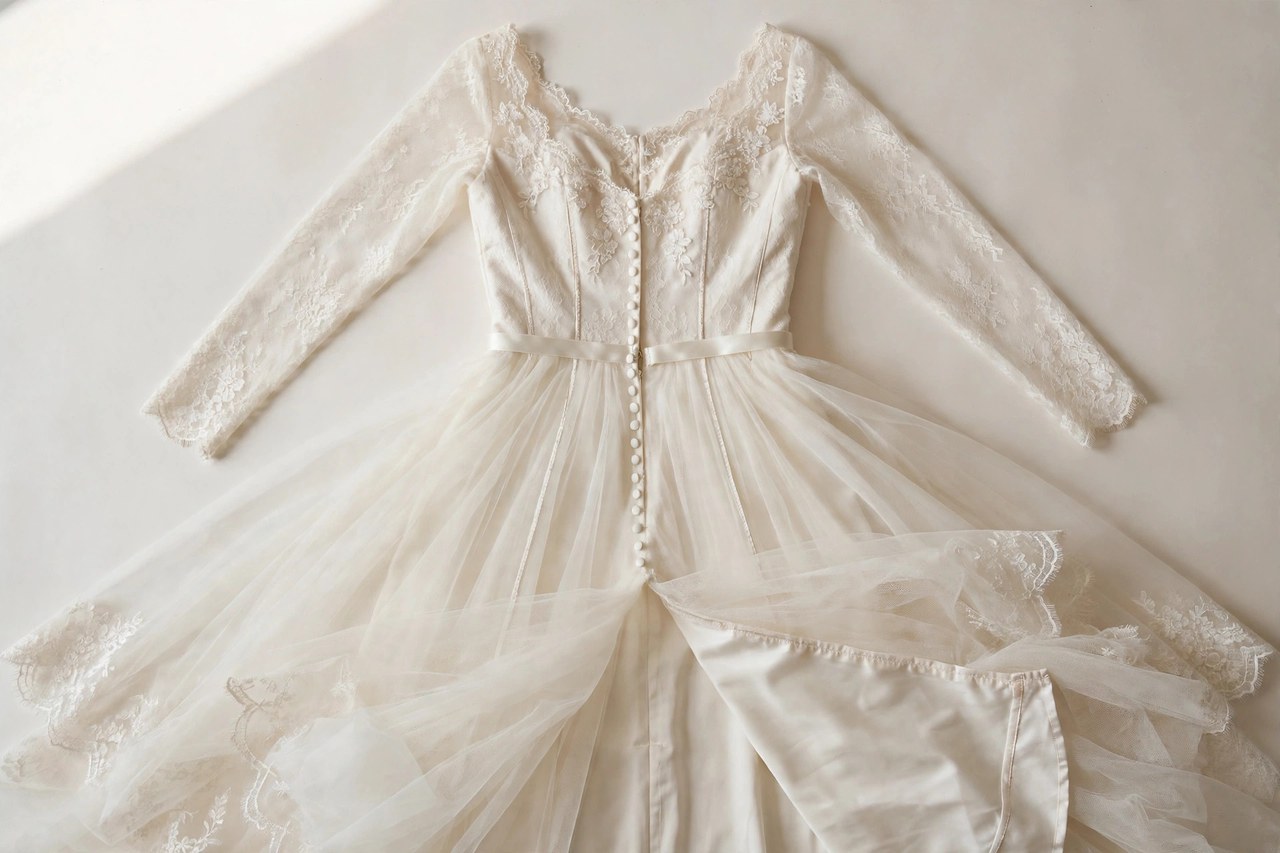
A wedding gown is the formal bridal dress — the word gown denotes the most formal category of dress — worn by the bride, in white and ivory traditions since the nineteenth century and in many colours across cultures, often with a train and formal construction. Where the companion wedding dress guide covers the purchase, this guide covers the gown itself: its history and customs, formal construction (boning, trains, layers), colour traditions across cultures, and the preservation that keeps a gown after the day.
This guide covers wedding gown in the order a careful buyer needs it: what the product is made from, how it is constructed, how it should fit, how to choose it for real use, and how to care for it so it lasts. The focus here is on measurable details, named materials and checks you can perform in a shop or on a parcel's arrival, rather than general fashion language.
Formal Construction and Trains
The formal gown is couture construction at its most complete: a boned, often corseted bodice; skirts engineered in layers of silk, satin, lace and tulle over shaped underskirts; hand-applied embellishment; and a train whose length is a stated dimension of the design, from a floor-sweeping brush to cathedral and royal lengths.
That construction is why a gown is fitted, carried, bustled and preserved differently from an ordinary dress: weight is distributed through the internal corsetry, not hung from the shoulders. A gown's train is described by length: sweep brushes the floor, chapel extends roughly a metre behind, cathedral two metres or more, and the grandest royal trains beyond that — each step up adds drama, weight and logistics in equal measure. Examine a gown from inside where possible — the quality of a formal gown is literally its inner life.
Fitting a Formal Gown
A gown is fitted over its foundations: the bra or integrated cups, the underskirt or crinoline, and the exact shoes, because train behaviour and hem length are set by heel height. Fittings proceed from structure outward — bodice security first, waist, then hem and bustle — across several appointments in the final months.
Formal fit tolerates no drift: the bodice must stay placed through sitting, dancing and being embraced, and the wearer must be able to breathe, sit and climb steps in rehearsal, not just stand in the salon. Test the gown in motion at the final fitting, train bustled and unbustled.
Choosing a Gown With Ceremony in Mind
Choose wedding gown in a fixed order: the formality and scale of the ceremony and venue, the train length the space can honestly hold, construction quality, and only then surface decoration. In practice, rank these checks in the order your own use demands — frequency of wear first, then weather, washing facilities and budget — because that order differs by wardrobe, and it is the real reason two careful buyers can correctly choose differently from the same rail.
Judge price by the internal engineering and handwork: boning, layered skirts, hand-set lace and beading are slow, skilled work, and their cost is visible in how the gown moves and photographs. A gown that is all surface dates in a season; structure is timeless.
Preservation and Keeping
A gown goes to a specialist cleaner within weeks of the wedding, before sugar and sweat stains oxidise yellow; point out every spill location, because invisible stains are the ones that surface in storage. Home washing is never appropriate for a structured, embellished gown.
Store the cleaned gown boxed flat in acid-free tissue with folds padded and repositioned every few years, in a cool, dark, dry room — never hung long-term, never in plastic, never in an attic or damp basement. Kept so, a gown survives as an heirloom; kept badly, it yellows within five years.
Common Questions
What is the difference between a wedding dress and a wedding gown?
In the usage this site has always kept, every wedding gown is a dress, but gown signals the formal end of the category — structured, floor-length, often trained — the garment only the bride wears. A wedding dress can be any one-piece bridal garment, including short and informal styles.
When did white wedding gowns become traditional?
White was worn occasionally before, but Queen Victoria's white gown at her marriage to Prince Albert in 1840 made it fashionable across the Western world; before that, brides commonly married in their best dress of any colour. White became near-universal only in the twentieth century.
How should a wedding gown be preserved after the wedding?
Have it professionally cleaned promptly — invisible sugar and champagne stains yellow over months — then stored boxed in acid-free tissue, cool, dark and dry, never sealed in plastic or hung by its straps, which stretch under the gown's weight. Refold it along different lines every few years to prevent permanent creases.
Related Women's Guides
Gown, Dress — and a Queen
The distinction is a firm one: "gown" refers to more formal garments, like those worn for weddings, proms or balls, while a "dress" can be any one-piece garment with a skirt of any length, formal or informal. A wedding dress could be worn by anyone going to a wedding; the wedding gown should be worn only by the bride. The gown's colour, style and ceremonial importance depend on the religion and culture of the participants.
Brides in ancient Greece and Rome wore simple white robes symbolising purity and new beginnings, but white wedding gowns became popular in the Western world only in the 19th century, after Queen Victoria married Prince Albert in a white gown in 1840 — a trend that continues today. Other cultures differ: red bridal attire in many Asian cultures symbolises luck and prosperity, Indian brides wear elaborate saris or lehengas with intricate embroidery and jewellery, and some Middle Eastern brides choose richly decorated gowns with gold accents. American styles begin with the ball gown — fitted bodice, voluminous skirt of tulle or satin — and the A-line, fitted at the bodice and flaring gradually from the waist.
Photos

Looking for Women's Clothing Stores?
This guide helps you choose women's wedding gown. To browse where to buy, visit our women's clothing store directory, where you can find retailers that carry them.