Mother of the Groom Dresses Guide
The mother of the groom dresses second, coordinates kindly, and shines in her own right: colors, lengths and the famous what-if-both-mothers question, answered.
Shop Mother of the Groom Dresses Now
Shop Mother of the Groom Dresses on Amazon Shop Mother of the Groom Dresses on eBayThe Amazon and eBay links on this page are affiliate links. If you make a purchase through them, Apparel Search may earn a commission.
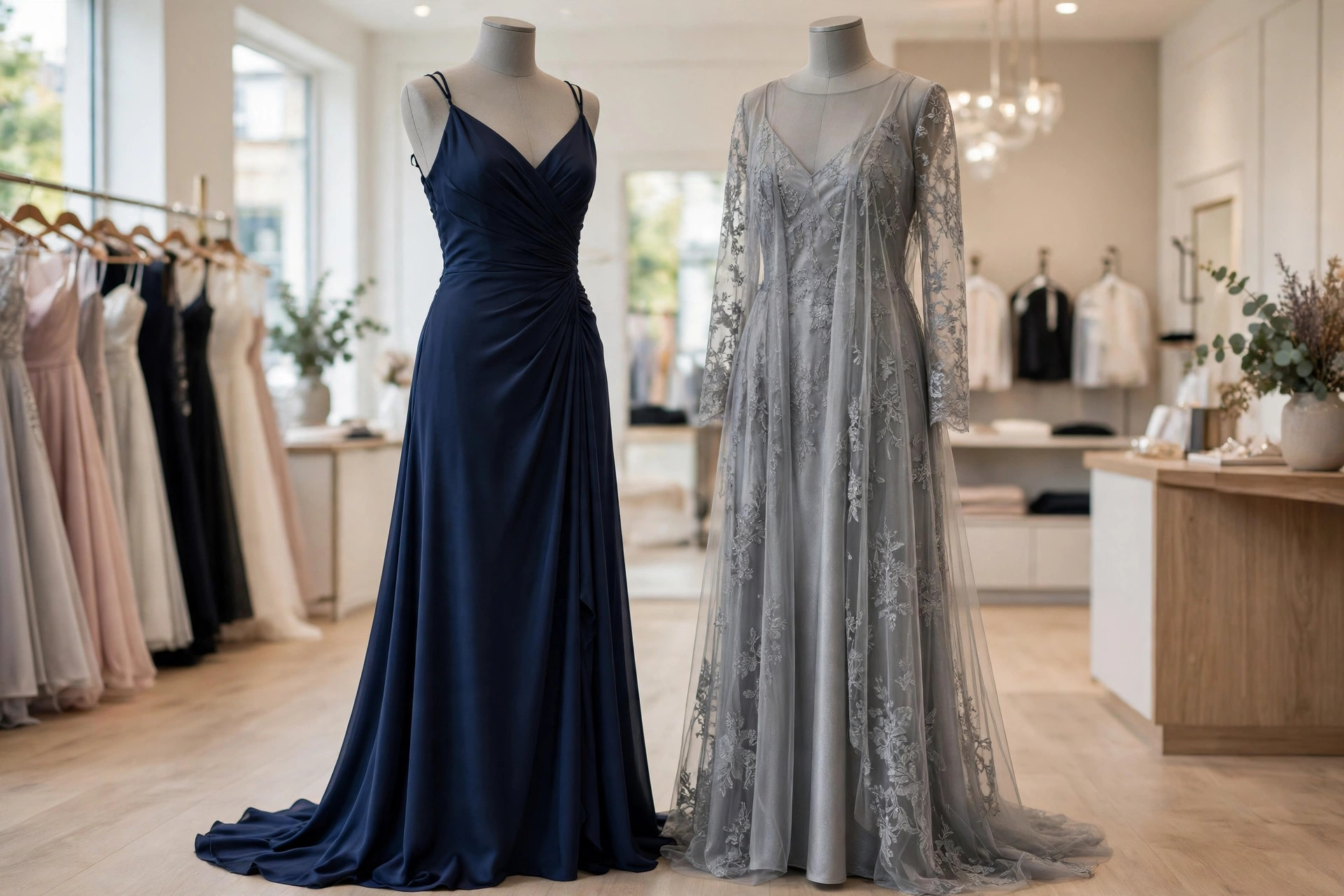
The mother of the groom's dress comes with one traditional instruction: traditionally, she waits until the mother of the bride has chosen her dress, then selects hers to complement it in formality and length without matching or clashing. The custom exists to make two women who may barely know each other look like a coordinated family in the photographs — and handled with a friendly phone call, it works exactly that well.
Complementing is not copying, and it is not disappearing. The mother of the groom is a host of the day and a principal in the photographs; her dress should be chosen with the same care and confidence as her counterpart's, in a color and cut that are hers. This guide covers the order of choosing, the coordination, and the styles that suit the role.
The Same-Dress Question
The famous question: what if both mothers pick the same dress? The honest answer is that it happens, it is not a disaster, and it is easily avoided: once the mother of the bride has chosen, a short conversation — designer, color, length — makes a true duplicate nearly impossible. If it somehow happens anyway, accessories, wraps and jackets differentiate the looks, and the photograph becomes a family story rather than a faux pas.
The practical coordination is three facts: the color family, the length, and the level of formality. Match the second and third to the mother of the bride's dress; choose your own territory in the first, in a shade that sits well beside hers and inside the wedding's palette. That is the whole etiquette, and it takes one call.
Styles: Fuller Skirts, Bold or Classic
The silhouettes that serve this role well span the same range as the mother of the bride's: a dress with a fuller skirt — A-line, fit-and-flare, tea-length — moves gracefully, sits comfortably through dinner and photographs with movement and life. A classic sheath or column reads composed and modern. Bold or classic is a genuine choice here: a saturated jewel tone or a metallic makes a confident statement, while navy, charcoal, taupe and deep plum are the can't-miss classics.
Jacket dresses, lace bodices, illusion sleeves and beaded details fill the department for the same reasons they fill the bride's mother's: coverage options, structure and sparkle that photographs well. Choose the neckline and sleeve you feel best in — a long day of photographs rewards the dress its wearer stops thinking about.
Timeline and Fit
Begin once the mother of the bride's choice is known — typically three to five months before the wedding — leaving the same alteration window: order by your largest measurement, fit with the day's shoes and undergarments, and break the shoes in at home. If her choice is delayed, do not wait in silence; a gentle timeline conversation early is kinder than a rush later.
On the day, your duties are joyful ones — receiving, hosting, dancing — and the dress should be tested for all of them: sitting through a meal, standing through photographs, and a full dance. Choose well and the two mothers' dresses read in the photographs as they should: two women, distinct and coordinated, flanking the couple whose day it is.
One More Consideration
A small, gracious addendum to the etiquette: after the wedding, the coordination you managed is worth one more gesture — the photograph of the two mothers together, which families treasure out of all proportion to the planning it took. It exists because two women communicated early and kindly about dresses. Whatever the styles chosen — fuller skirt or sheath, bold color or classic navy — that photograph is the real deliverable of the whole tradition, and it is worth dressing for.
Related Women's Guides
Looking for Women's Clothing Stores?
If you are ready to shop rather than browse guides, visit our women’s clothing shopping directory for stores carrying mother of the groom dresses and much more, or use the Amazon and eBay buttons at the top of this page.