Women's Wedding Dress Guide
A wedding dress is the dress a bride wears for her wedding ceremony and celebration, in silhouettes from A-line and ball gown to sheath and fit-and-flare, in satin, lace, tulle, chiffon and mikado, usually bought months ahead and altered to fit.
Shop Women's Wedding Dress Now
Shop Women's Wedding Dress on Amazon Shop Women's Wedding Dress on eBayThe Amazon and eBay links on this page are affiliate links. If you make a purchase through them, Apparel Search may earn a commission.
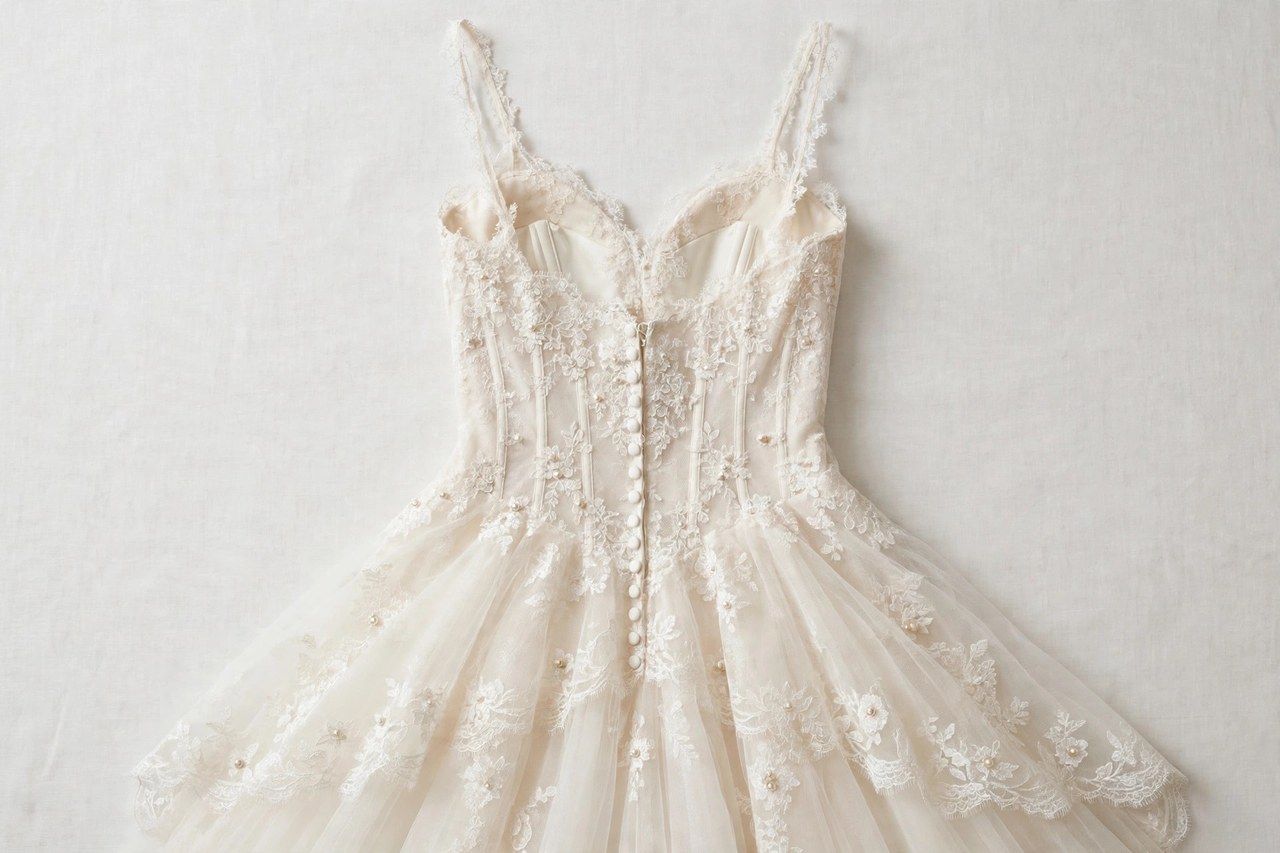
A wedding dress is the dress a bride wears for her wedding ceremony and celebration, in silhouettes from A-line and ball gown to sheath and fit-and-flare, in satin, lace, tulle, chiffon and mikado, usually bought months ahead and altered to fit. This guide covers the wedding dress as a purchase: the silhouette families and the bodies they flatter, bridal sizing (which runs small and unlike street sizing), the ordering and alterations calendar, and budget items beyond the ticket price.
This guide covers wedding dress in the order a careful buyer needs it: what the product is made from, how it is constructed, how it should fit, how to choose it for real use, and how to care for it so it lasts. The focus here is on measurable details, named materials and checks you can perform in a shop or on a parcel's arrival, rather than general fashion language.
Fabrics and Dress Construction
Wedding dresses are built from a small library of bridal fabrics: satin and mikado for structure and sheen, lace for surface, tulle and organza for volume without weight, chiffon and crepe for fluid lines. Under the visible cloth sit the engineering layers — boning, cups, crinoline or underskirts — that give a dress its shape on the body.
Construction quality shows in the hidden places: seams finished and pressed, lace appliqué hand-placed rather than raw-edged, zips concealed and reinforced at the waist seam where stress concentrates. Bridal sizes are not street sizes: a bridal 12 commonly measures like a high-street 8 or 10, and dresses are ordered to the largest of your bust, waist and hip measurements, then tailored down — the number is meaningless, the measurements are everything. A sample dress in a salon has survived dozens of try-ons; judge its construction by how those hidden places have held up.
Bridal Sizing and Alterations
Bridal sizing is its own system, typically two or more sizes above street size, and dresses are ordered to your largest measurement among bust, waist and hip, in the salon's size chart for that designer — the charts differ between designers as much as the dresses do. Order by measurement taken in the undergarments you will wear.
Alterations are part of the garment, budgeted and scheduled like the purchase itself: usually two or three fittings across the final two to three months, taking in the ordered size, setting hem length with your actual shoes, and adding bustle points for the train. A dress bought to a hoped-for size is the classic bridal gamble, and salons rightly refuse to guarantee it.
Choosing the Dress in Order
Choose wedding dress in a fixed order: silhouette family against your proportions, fabric matched to season and venue, construction quality at the budget, and only then embellishment. In practice, rank these checks in the order your own use demands — frequency of wear first, then weather, washing facilities and budget — because that order differs by wardrobe, and it is the real reason two careful buyers can correctly choose differently from the same rail.
Judge price by fabric and internal construction, not by the amount of visible decoration: hand-finished lace, boned structure and quality satin are the honest costs, while glued embellishment on poor cloth is priced decoration. The photographs show the surface; the wedding day tests everything beneath it.
Before and After the Day
Before the wedding, store the dress hung by its fabric loops (never the straps) in a breathable garment bag, out of light, and handle it with clean hands — satin and lace mark from skin oils. Steam, never press, delicate fabrics, and let a professional handle stubborn creases.
Afterwards, clean the dress within weeks: hem soil, sweat and sugar-based spills oxidise and yellow even when invisible at first. Preservation boxing in acid-free tissue, stored cool, dark and dry, keeps the dress stable for decades; sealed plastic and attic heat are its two enemies.
Common Questions
How far ahead should I buy a wedding dress?
Start shopping nine to twelve months out: most dresses are made to order in four to six months, and alterations need another two to three. Rush orders exist at extra cost with a smaller choice. Sample sales and ready-to-wear bridal lines are the realistic route inside three months.
What should I budget beyond the price of the dress?
Alterations (often several hundred dollars), undergarments and shoes bought before the first fitting, a veil or accessories, cleaning and preservation afterwards, and any rush or shipping fees. A common planning rule is to keep the dress itself to about three quarters of the total outfit budget.
Which silhouette suits which figure?
A-line flatters almost everyone because it skims the hip. Ball gowns create an hourglass from a fitted bodice and full skirt but can overwhelm a petite frame. Sheaths suit tall or straight figures and show every line beneath; fit-and-flare celebrates curves. Trying one of each family teaches more than any chart.
Related Women's Guides
Photos

More to Explore on Apparel Search
- Wedding Dress Definition
- Bridal Fashion Guide
- Fashion Designers
- Popular Brands
- Women's Clothing Stores
- Bridal Industry Research
- Bridal Stores
- Bridal Dress
- Bridal Shoe Stores
- Bridal Glove Stores
- Bridal Veil Stores
- Bridal Garters Stores
- Bridal Dress Factories
- Bridal Dress Definition
- Bridal Trade Shows
- Bridal Wholesalers
- Fashion Designer Directory
Looking for Women's Clothing Stores?
This guide helps you choose women's wedding dress. To browse where to buy, visit our women's clothing store directory, where you can find retailers that carry them.