Women's After-Sport Shoes Guide
Recovery slides, cushioned sandals and comfort shoes — what your feet want after the workout ends.
Shop Women's After-Sport Shoes Now
Shop Women's After-Sport Shoes on eBay Shop Women's After-Sport Shoes on AmazonThe eBay and Amazon links on this page are affiliate links. If you make a purchase through them, Apparel Search may earn a commission.
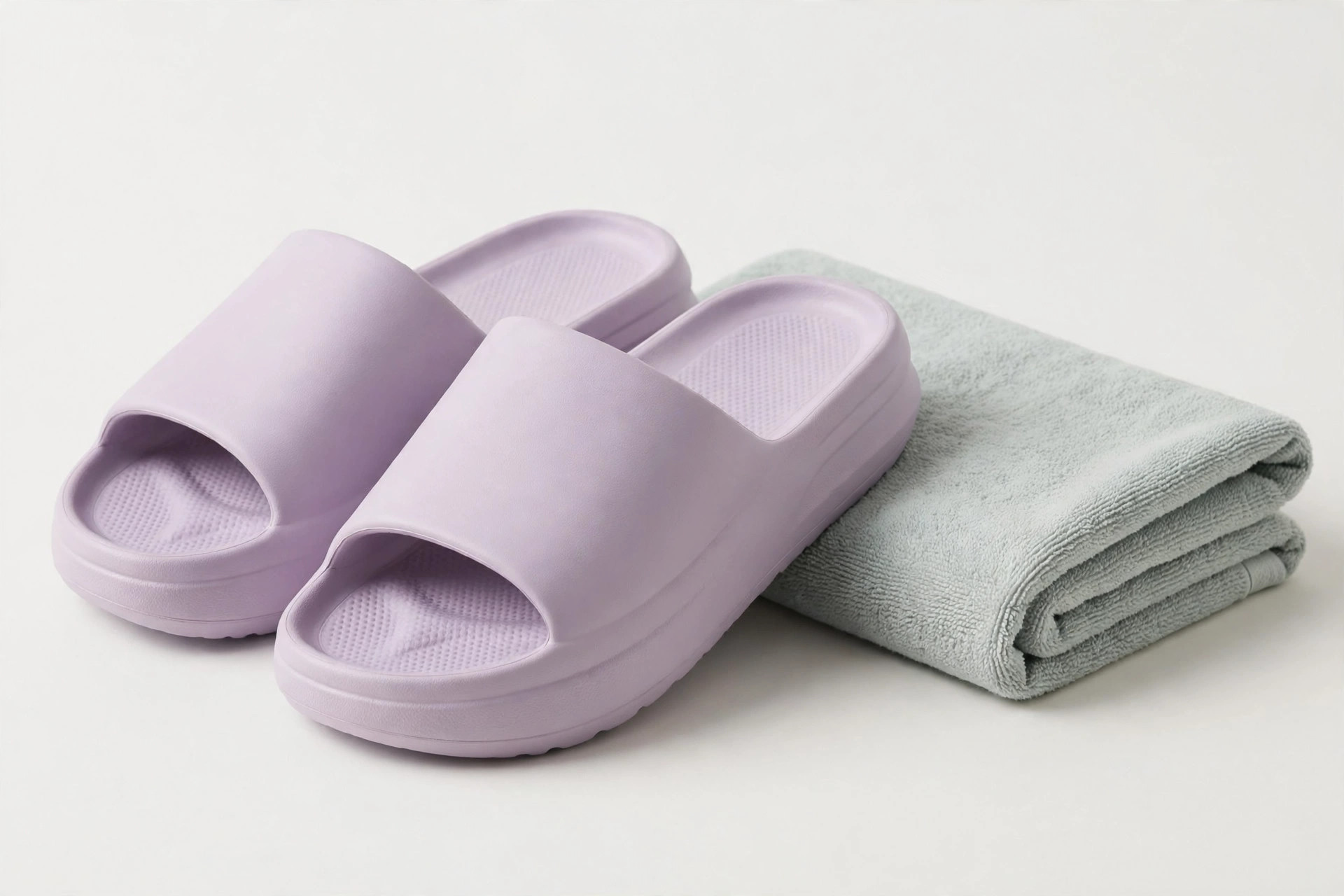
The workout is over, your training shoes come off — and what you put on next matters more than most athletes realize. After-sport shoes are the recovery footwear you slip into after running, training, matches, and long days on your feet: cushioned slides, molded sandals, and easy comfort shoes designed to give tired feet room to breathe, swell, and recover. They are a staple in gym bags and locker rooms for good reason. This guide explains how recovery footwear works, the styles available, and how to choose a pair your feet will thank you for.
Why Recovery Footwear Works
Exercise floods your feet with blood and makes them swell — after a long run or a hard training session, feet can be measurably larger than when you started. Squeezing them straight back into narrow street shoes compresses sore tissues and slows the recovery process. After-sport shoes answer with volume: wide, open designs that accommodate swelling. Their thick, soft midsoles absorb impact when your legs are too tired to do it well, and contoured footbeds support the arch so the plantar fascia can relax instead of working overtime. Many runners credit a consistent recovery-shoe habit with fewer foot aches the morning after long efforts.
Styles to Know
Recovery slides are the classic: a single wide strap over a chunky cushioned sole, easy to kick on with socks after a race. Molded one-piece sandals in EVA foam are waterproof and locker-room friendly, ideal for gym showers and pool decks. Recovery sneakers and slip-ons add a closed toe and more structure for travel days and errands after events. Cushioned flip-flops with real arch support suit warm climates and beach-sport athletes. Some designs add gentle rocker geometry that rolls your stride forward, reducing the work your calves and forefeet do with every step.
Choosing & Fitting Your Pair
Size for your post-workout feet: if you shop in the morning, consider going up a half size, because the fit you want is roomy. Your toes should never hang over the front edge or press against a toe post uncomfortably, and the strap should hold the shoe on without your toes gripping to keep it there — toe-gripping defeats the purpose. Test the cushion by pressing your thumb into the heel: it should compress noticeably and spring back. If you have flat feet or overpronate, look for firmer arch support rather than the softest foam; if you are nursing plantar heel pain, a contoured, slightly firmer footbed usually feels better than a marshmallow.
When to Wear Them & Care
Reach for after-sport shoes in the first hours after hard efforts, on your feet-all-day rest days, and while traveling to and from events. They are recovery tools, not training shoes — the soft foams that make them soothing also make them unstable for lifting or running. Most are blissfully easy to care for: rinse off foam styles, wash straps with mild soap, and air-dry out of direct sun. Replace them when the footbed keeps a permanent deep imprint of your foot or the cushion feels packed down, typically after a season or two of regular use.
Making Recovery a Routine
After-sport shoes work best as part of a small ritual rather than an afterthought. Slip them on immediately after training while your feet are still warm and swollen, and keep them on through your cooldown, your shower, and the trip home — that first hour is when feet benefit most from space and cushion. Pair them with clean socks (changing out of sweaty workout socks matters as much as the shoe) and, on long training days, with compression socks or a few minutes of elevating your legs. Athletes who treat recovery footwear as equipment, not slippers, tend to notice the payoff where it counts: in how their feet feel at the start of the next session.
Related Women's Guides
Photos

More to Explore on Apparel Search
Looking for Women's Clothing Stores?
This guide helps you choose women's after-sport and recovery shoes by style. To browse where to buy, visit our women's clothing store directory, where you can find retailers that carry them.