Florence, Italy Fashion Shopping Streets
Via de' Tornabuoni luxury, Florentine leather craft and two classic department stores
Florence packs more fashion history into a few walkable streets than most capitals manage in a whole city. This section of the consumer fashion guide collects the top destinations for shoppers in search of trendy clothing in Florence: the luxury flagship street, the boutiques of the houses that were founded or made famous here, and the two department stores that serve Florentines and visitors alike. Everything sits in the historic center, minutes from the Ponte Santa Trinita and Piazza della Repubblica.
Florence is also a working fashion city, not just a beautiful one. Gucci began here, Salvatore Ferragamo built his shoe empire here after returning from Hollywood, Emilio Pucci's kaleidoscope prints are Florentine to the core, and Roberto Cavalli was born in the city. Shopping in Florence means shopping in the hometown of the brands - with the leather workshops and goldsmiths of the Oltrarno just across the river for contrast.
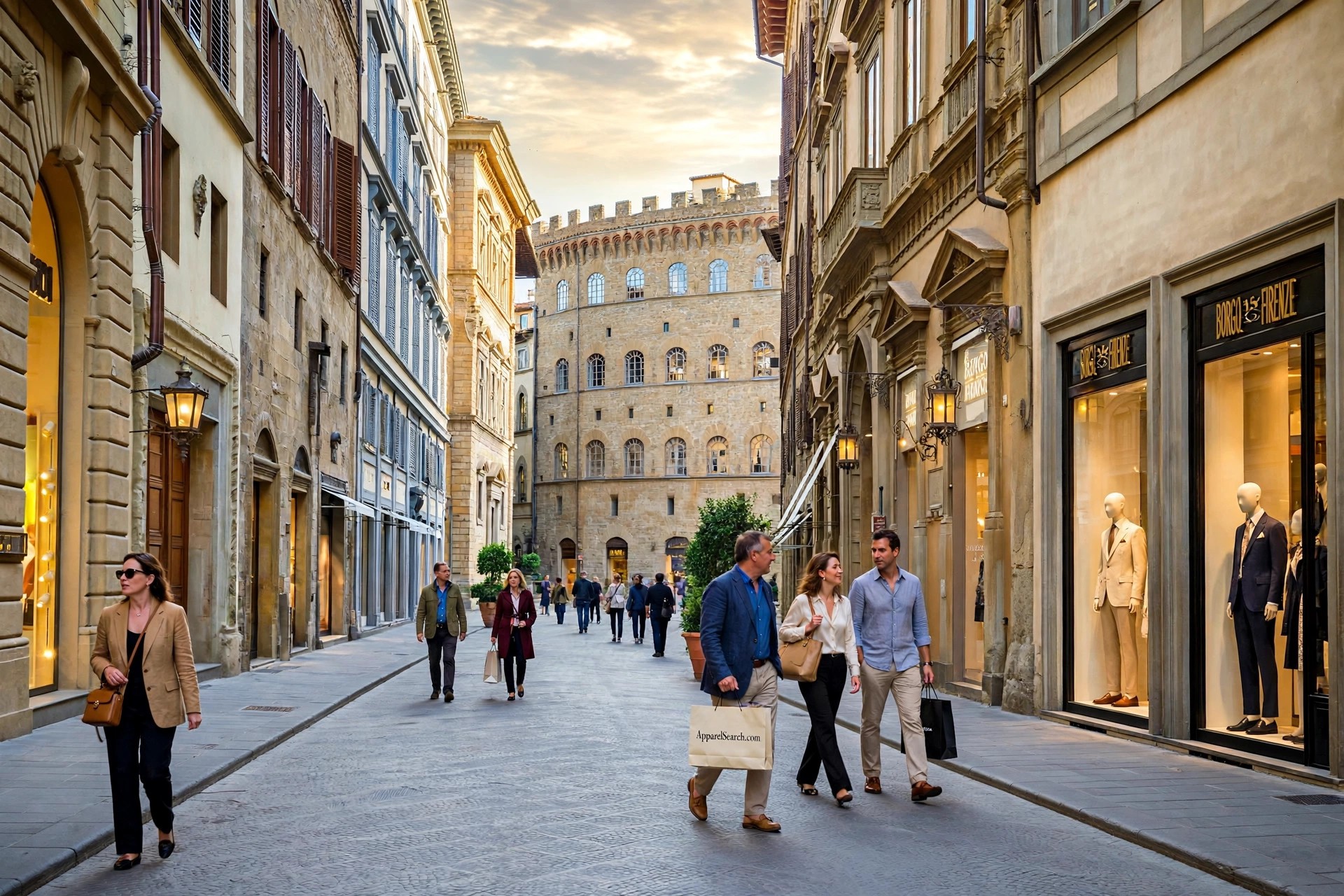
Via de' Tornabuoni: The Luxury Street
Via de' Tornabuoni, or Via Tornabuoni, runs through the center of Florence from Antinori square to the Ponte Santa Trinita, across Santa Trinita square, and it is characterized by the presence of fashion boutiques. The street houses high-fashion boutiques belonging to stylists such as Gucci, Salvatore Ferragamo, Enrico Coveri, Roberto Cavalli and Emilio Pucci, set into the ground floors of Renaissance palaces. Palazzo Spini Feroni, Ferragamo's palazzo at the bridge end of the street, holds the flagship store and the Museo Salvatore Ferragamo.
Fabulous fashion boutique destinations in Florence include Prada, Roberto Cavalli, Dolce & Gabbana, Loro Piana, Christian Dior, Luisa Spagnoli, Gucci, Bulgari, Armani, Emilio Pucci and Celine, and more besides. Because the street is short, a Tornabuoni walk takes an hour at window-shopping pace - pair it with the side streets toward the Arno for jewelers, and cross the Ponte Santa Trinita to the Oltrarno for artisan leather, shoes made to order and the Santo Spirito neighborhood's workshops.
Department Stores: COIN and Rinascente
COIN is Florence's popular department store destination. The chain's first store was established in 1926 in Mirano, near Venice, and its flagship opened in Milan's Piazza 5 Giornate in 1965; the Florence store is one of the most popular in the city for fashion shopping. All COIN department stores feature large sales at the end of the season, with the busiest sale in August, when many other clothing shops are closed for the holidays - a genuinely useful tip for summer travelers.
Rinascente stands in the historical centre on Piazza della Repubblica, where the big window displays hint at the latest trends and brands inside. It is a slightly more upscale department store than COIN, with more floors and more designer names, local and international, which makes it a good choice for one-stop shopping - particularly if you need something open late in the evening or on a Sunday. Women's, men's and children's fashions are all carried, and the rooftop terrace on the fifth floor overlooks the piazza: rest in style with a cappuccino between shops.
Planning a Florence Shopping Trip
Florence rewards the same strategy as the other Italian destinations in this guide: after you visit Florence, you may want to travel to Rome and Milan as well, and the three cities chain together easily by train. Within Florence, give the Tornabuoni area a morning, the department stores an afternoon, and leave unstructured time for the Oltrarno and the San Lorenzo market area, where leather goods at every price level are sold.
Before you travel, reconfirm the details of any store that is critical to your trip, as the fashion shopping disclaimer explains, and consider travel guides such as Frommer's, Fodor's and TripAdvisor, or a local travel agent, when planning. For the industry's side of the story, see the Italy fashion industry guide linked below - Florence's boutiques sit on top of one of the world's great leather and luxury-goods regions.
Common Questions
What is the main luxury shopping street in Florence?
Via de' Tornabuoni is Florence's luxury street, running from Antinori square to the Ponte Santa Trinita through the historic center. Its Renaissance palaces house flagship boutiques for Gucci, Salvatore Ferragamo, Emilio Pucci, Roberto Cavalli, Prada, Bulgari and other houses.
Which department stores should shoppers visit in Florence?
COIN and Rinascente. COIN is the popular all-rounder, famous for its end-of-season sales - busiest in August when many shops close. Rinascente, on Piazza della Repubblica, is more upscale, carries more designer names across more floors, opens late and on Sundays, and has a fifth-floor rooftop terrace.
Why is Florence special for leather goods?
Florence and its surrounding Tuscan towns form one of Italy's historic leather districts: tanneries, bag and shoe workshops and generations of craft skill sit behind the luxury boutiques. The Oltrarno district across the Arno and the San Lorenzo market area are the places to look for workshops and leather shopping beyond the flagship streets.
Photos


