Apparel Search»Cricket Kits»West Indies
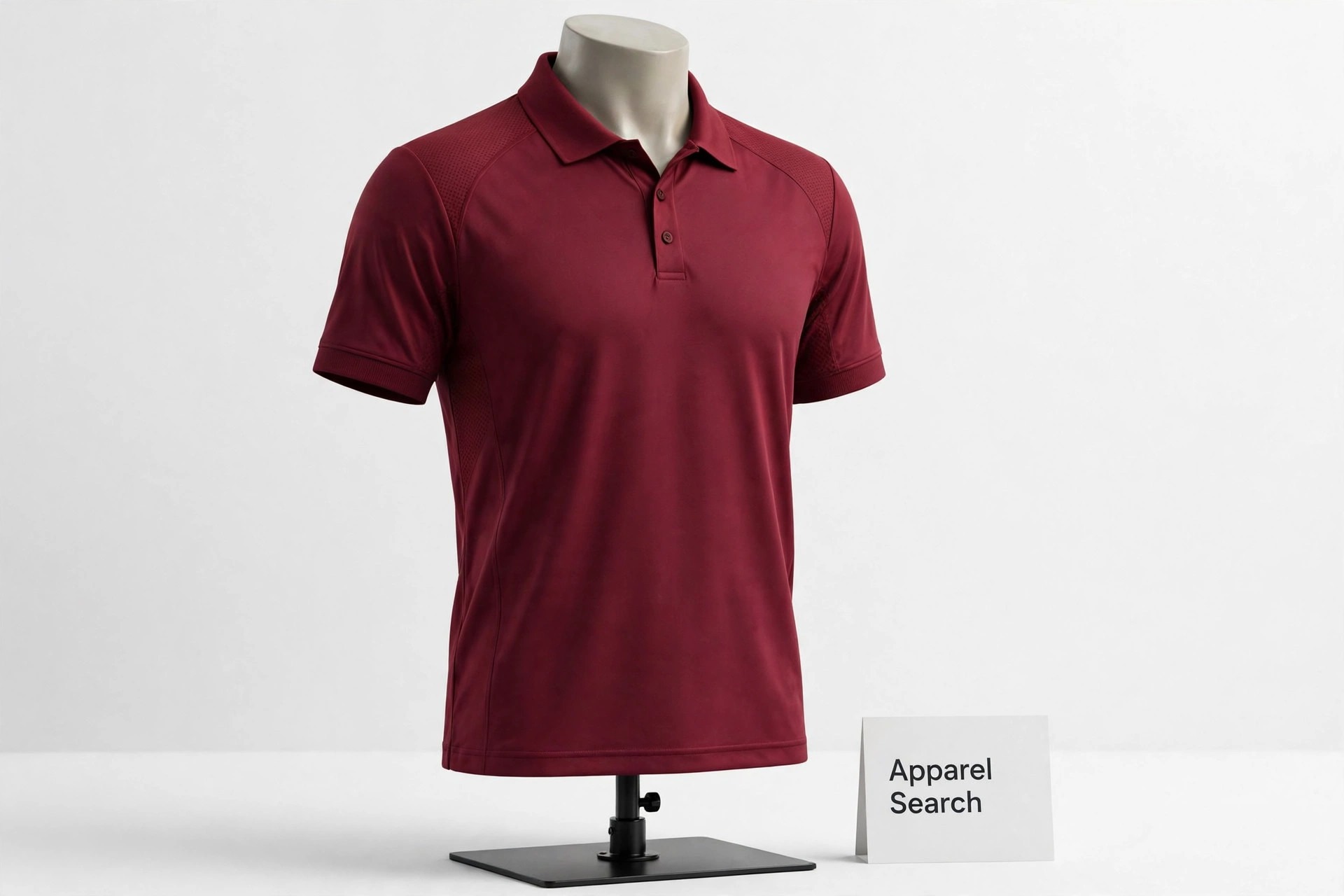
Illustrative image created for this guide by Apparel Search designers, closely following the team's current kit — team logos, sponsor logos and manufacturer marks have been removed, so small details may differ from the official shirt.
West Indies Cricket Kit
Maroon is not a colour any committee would choose today, which is exactly why the West Indies kit is perfect. The deep wine-red shirt, with the palm tree and wickets crest and, in the modern designs, flashes of yellow like Caribbean sun, carries the history of the most dominant team cricket has ever seen. This guide traces maroon from the Test whites and the famous maroon cap through the coloured era, looks at the current Macron kits for 2025/26, remembers Clive Lloyd's great side and the World Cup wins of 1975 and 1979, and explains how to buy a shirt that represents not one country but a whole region. Whether you want the current maroon, a shirt marking the Lloyd era or the whites of the Test tradition, the sections below cover the colours, the maker and the details to check before you buy.
Maroon: Colours and Identity
The West Indies shirt is maroon, a deep red-brown that has been the team's colour since long before coloured clothing, because it was first the colour of the cap. When limited-overs kits arrived, the shirt simply took the cap's colour and extended it to the whole uniform, with yellow or gold added for lettering, side panels and trim. The crest is one of cricket's most evocative: a palm tree in front of cricket stumps, with a sun, representing a region of many nations playing as one team, which remains unique in international sport.
That regional identity shapes the kit's meaning. A maroon shirt is worn by supporters from Jamaica to Guyana, Barbados to Trinidad, and its colour is recognised across all of them. Modern designs add dynamic yellow graphics and patterned panels, but the base never changes, because it cannot: maroon is the brand, the history and the warning to opponents, all in one colour. No other team in this guide draws its whole shirt from its cap, and none wears a colour with quite this much past attached to it.
Maroon also has a sound. The great West Indies sides were followed by steel bands, drums and a travelling party of supporters whose colour was the maroon in the stands, and the modern T20 era, much of it built in the Caribbean's own league cricket, has kept that match-day culture loud. The shirt is designed for that environment now: bright enough in its yellow details to read across a carnival crowd, traditional enough in its base to satisfy the supporters who watched the fast bowlers of the 1980s. A design that can do both jobs at once is harder to make than it looks.
Whites and Colours: The Maroon Cap in Both Worlds
West Indies Test cricket is played in whites with maroon trim, and the maroon cap is as famous in its way as Australia's Baggy Green. The great sides of the 1970s and 1980s wore that cap through a run of dominance that included a long unbeaten stretch in Test series, and photographs of the era, the whites, the maroon cap, the gold chain, the terrifying fast bowlers, are the visual foundation of West Indies cricket. The current Test shirt keeps the formula: white, clean, with maroon side details tying it to the badge.
The coloured kits take maroon and energise it. The ODI shirt pairs the maroon base with yellow details on the side slits and sleeve cuffs in the 2025/26 design, while the T20 shirt uses bolder graphics and a more dynamic pattern for night cricket. Both are made in modern performance fabrics, including recycled polyester in the Macron range. The contrast between the calm Test whites and the vivid maroon limited-overs kit is the widest in this guide, and supporters tend to own the maroon first and the whites for the history.
The Maker and the Current Kit: Macron
The West Indies kit is made by Macron, the Italian sportswear company that partnered with Cricket West Indies in 2023. Macron, which also supplies other cricket federations, produces the full West Indies range and sells the official shirts directly through its own stores, which makes the current kit unusually easy to buy authentically from outside the Caribbean. The shirts are certified official licensed products, designed with Cricket West Indies, and the range covers Test, ODI, T20, training and supporter versions.
The 2025/26 Macron range shows the system clearly. The Test shirt is all white with maroon side details, a polo collar and mesh inserts for breathability in Caribbean heat. The ODI shirt is in the team's maroon with distinctive yellow details, and the T20 match shirt is made from an eco fabric of recycled polyester with the boldest graphics of the three. For buyers, the maker's own product pages are a useful reference for what the genuine current designs look like, down to the cuff and side-panel details that copies most often get wrong.
Iconic West Indies Kits
The maroon story begins in whites. Clive Lloyd's team won the first two World Cups, in 1975 and 1979, in an era when the finals at Lord's were played in traditional white clothing, so the iconic images of that side, Lloyd's hundred in 1975, the win in 1979, are of whites and the maroon cap rather than a coloured shirt. When coloured kits arrived, West Indies took maroon and the early designs, worn by the great players who followed Lloyd, fixed the colour in the modern imagination.
The coloured-era classics include the maroon shirts of the 1990s and the T20 kits of the two World Cup wins in 2012 and 2016, the second of them sealed by four consecutive sixes in the final over in Kolkata, one of the most replayed finishes in the game's history. The shirt worn that night, maroon with yellow, is the modern collector's prize. A West Indies collection works best as a pair: a maroon shirt for the colour, and something marking 1975 and 1979 for the foundation it all stands on.
There is a final point that makes the maroon shirt unlike any other in this guide. When a supporter buys an India or Australia shirt, they back one nation; the West Indies shirt backs a team drawn from many nations, held together by cricket. Players from islands and mainland territories thousands of miles apart wear the same maroon, and supporters who agree on little else agree on it. That is why the shirt turns up at carnivals and festivals far from any cricket ground, worn as a statement about the Caribbean itself, with the palm and the wickets over the heart saying the rest.
Buying a West Indies Jersey
The official current shirts are made by Macron and sold through its online stores and Cricket West Indies channels, in the 2025/26 Test, ODI and T20 designs. Macron's own pricing and product photographs make a good benchmark: if a listing elsewhere is far cheaper and the yellow cuff and side details or the palm-and-wickets crest look different, it is likely a copy. The crest should show the palm tree and stumps clearly; it simplifies badly on poor reproductions and is the first detail to check.
Choose maroon for the classic supporter look, in either the ODI or the more graphic T20 version, and consider the white Test shirt if you collect traditional kits. Sizes follow standard European sportswear sizing through Macron, which helps buyers outside the Caribbean. For collectors, shirts marking the 2012 and 2016 T20 World Cup wins are the modern targets, while anything celebrating the Lloyd era of 1975 and 1979 carries the deepest history in this entire section.
Shop West Indies Jerseys
Look for the current Macron West Indies maroon ODI and T20 shirts, the white Test shirt with maroon details, and retro designs marking the 1975, 1979, 2012 and 2016 World Cup wins. Official 2025/26 kit is sold through Macron's stores and Cricket West Indies channels. Use the search below to compare current West Indies cricket jerseys and check the palm-and-wickets crest before you buy.
Shop West Indies jerseys on AmazonAs an Amazon Associate, Apparel Search earns from qualifying purchases made through this link. Prices and availability are set by Amazon and its sellers.
Common Questions
What colour is the West Indies cricket jersey?
The West Indies wear maroon in limited-overs cricket, with yellow detailing, a colour taken from the team's traditional maroon cap. In Test cricket they wear whites with maroon trim and the maroon cap.
Who makes the West Indies cricket kit?
Macron has made the West Indies kit since partnering with Cricket West Indies in 2023, including the 2025/26 Test, ODI and T20 shirts, which it sells as certified official licensed products.
When did the West Indies win the World Cup?
The West Indies won the first two ODI World Cups, in 1975 and 1979, under Clive Lloyd, playing in whites. They later won the T20 World Cup in 2012 and 2016 in the maroon coloured kit.
Related Reading
Search Apparel Search