Apparel Search»Cricket Kits»England
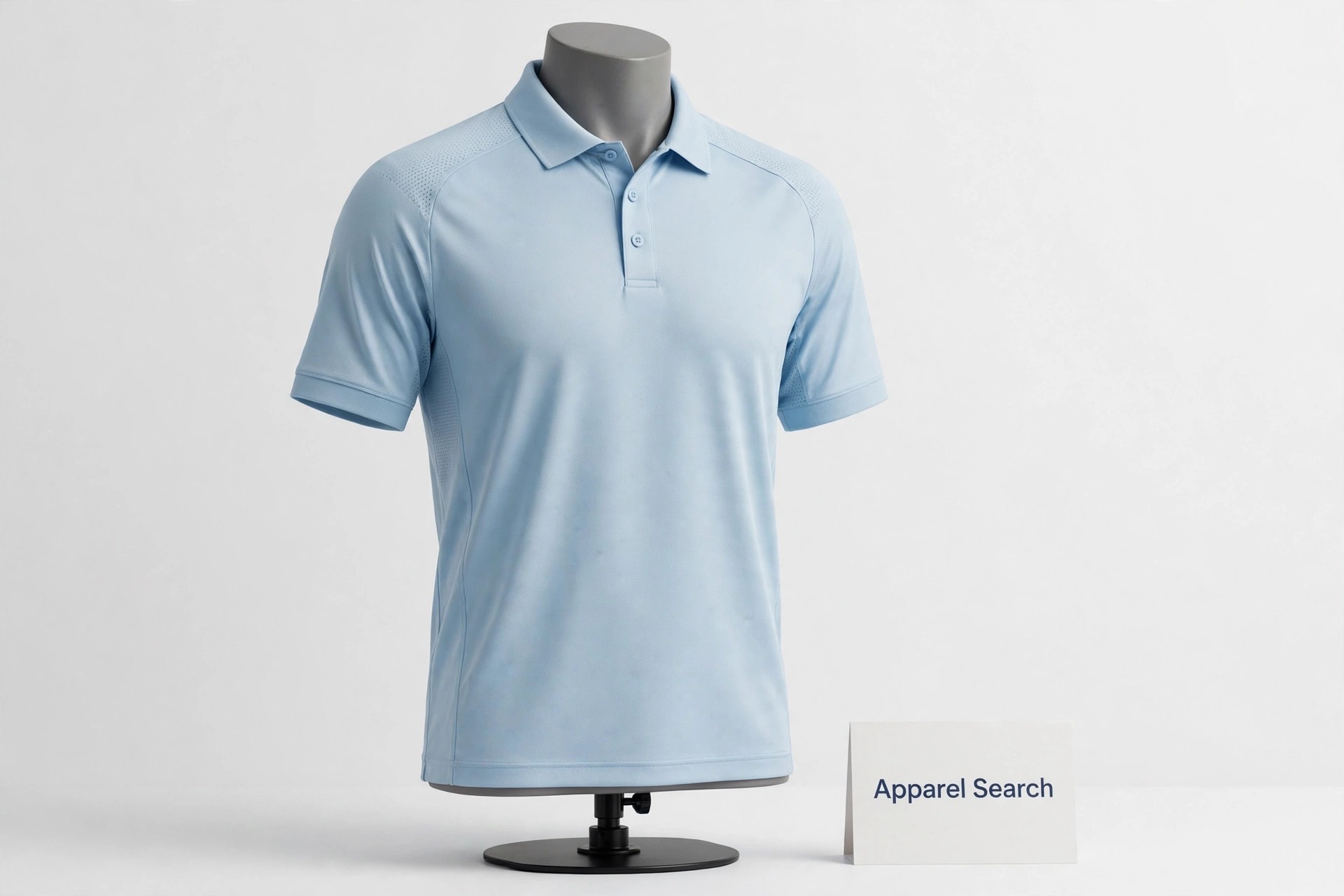
Illustrative image created for this guide by Apparel Search designers, closely following the team's current kit — team logos, sponsor logos and manufacturer marks have been removed, so small details may differ from the official shirt.
England Cricket Kit
England's cricket colours are a study in contrast. In Test cricket the team wears the most traditional whites in the game, broken only by the navy cap and the crown and three lions crest. In one-day cricket England turn out in shades of blue, from the pale sky tones supporters love best to deeper royal blues, and in T20 cricket they have made red their own. This guide follows the kit across all three formats, looks at the current Castore designs for 2025, remembers the shirt worn on the most famous day in English cricket history, and explains what to look for when buying an England jersey of your own. Whether your loyalty is to the pale blue of 2019, the red of the T20 side or the whites of a Lord's Test, the sections below explain each kit, its maker and its history before you spend anything.
Pale Blue and the Three Lions: Colours and Identity
England's one-day colour is blue, but the exact blue is a running conversation among supporters. The pale, sky-leaning shades are the most fondly remembered, because they connect the modern shirt to the kits of the 1990s and to the 2019 World Cup win, while the deeper royal and navy-leaning blues of other seasons divide opinion. Trousers are usually a darker navy, which grounds the shirt and keeps the overall look recognisably England rather than a copy of any other blue team in world cricket.
The crest does much of the identity work. The crown above three lions, the badge of England cricket for generations, sits on the left of the chest, and the navy cap worn in all formats ties the coloured kits back to the Test side. In T20 cricket England wear red, a colour borrowed from the cross of St George rather than the blue tradition, and the contrast is useful: a supporter can tell the format from the colour alone, across a crowded ground or a television screen.
The blue has one more advantage supporters rarely mention until they own the shirt: it works away from cricket. A pale or royal blue England shirt pairs with ordinary clothes more easily than most international kits, which is one reason England replicas are worn year-round rather than only on match days. The ECB leans into that wearability with a wide leisure range built around the same colours and crest, but the match shirt remains the centrepiece, and the version with a player's name and number on the back is now the standard purchase for younger fans following individual heroes.
Whites and Colours: Three Formats, Three Looks
England's Test whites are the game's reference point for tradition. The shirt is white with minimal navy trim, the sweater, when worn, is cream with navy and, in older versions, maroon banding, and the cap is plain navy with the crest. Names and numbers arrived on the back of Test shirts with the World Test Championship, printed in navy, and were accepted quickly because everything else about the kit stayed still. At Lord's especially, the whites remain part of the theatre of a Test match morning.
The ODI shirt is designed for a different job: visibility, photography and retail. Recent England ODI designs have used tonal patterns across the body of the shirt, contrast piping and a ribbed collar, all in lightweight polyester. The 2025 ODI shirt took its print from the county border lines of England and Wales combined with the three lions, a design idea rooted in the county game that feeds the national team. The IT20 shirt goes further, with a geometric pattern intended to match the pace and noise of the shortest format.
The Maker and the Current Kit: Castore
England's kits are made by Castore, the British sportswear brand that became the ECB's kit partner in 2022. Castore supplies the men's, women's and disability teams, and its 2025 launch presented the Test, ODI and IT20 kits together under the banner A Call To All, with the new principal partner Toyota on the front of the shirts from May 2025. The partnership has given England a more fashion-conscious kit programme, with training and travel wear designed alongside the playing shirts.
The 2025 kits show three distinct briefs. The Test kit was developed with research into bowlers' movements, aiming for a less restrictive shirt that still looks traditional, with a small pop of colour in the trim. The ODI shirt is blue with the county-border print worked into the fabric, mesh panels in the areas players heat up most, and a heat-sealed three lions crest. The IT20 shirt uses a bold geometric triangle pattern. For supporters, replica versions of all three are sold through the ECB shop and Castore, in adult and junior sizes.
Iconic England Kits
One shirt stands above all others: the pale blue worn at Lord's in the 2019 World Cup final, when England beat New Zealand in the most dramatic finish the tournament has produced. That design, a clean light blue with navy trousers, became an instant classic and is still the England shirt most often requested in retro ranges. Its appeal is partly aesthetic and partly emotional; it is the shirt of England's only ODI World Cup win, and supporters who were there rarely need persuading to own it.
Other kits mark their eras just as clearly. The 1992 World Cup shirt, in the pale blue shared template of that tournament, is a cult favourite. The red T20 shirts of the 2010 and 2022 World Cup wins carry their own history, red having been England's short-format colour in both triumphs. Older supporters remember the light blues of the late 1990s, when England's one-day kit first settled into the colour it has kept, with variations, ever since.
Collectors should also know the red shirt's parallel history. England wore red in the one-day game in earlier eras before blue became settled, so the T20 red is less an invention than a revival, and vintage red England shirts from the 1990s surface regularly in second-hand listings. A blue ODI shirt, a red T20 shirt and a pair of Test whites between them give an England supporter the full modern wardrobe of the national side, and each of the three carries at least one World Cup win in its colour, which is a claim very few teams in this guide can make.
Buying an England Jersey
Decide on the format first, because England's three kits are genuinely different purchases: whites for the traditionalist, blue for the ODI supporter, red for T20. Official replicas are made by Castore and sold through the ECB's official shop and authorised retailers. Replica shirts are cut for supporters rather than players, with the crest heat-sealed or embroidered depending on the version, so check the product description if that detail matters to you.
Fit is athletic on player versions and more relaxed on replicas, so if you are between sizes, the replica in the larger size is usually the comfortable choice for a day at the ground. Pale blue shirts show marks more readily than navy or red, which is worth knowing if the shirt is for a child. For a collector, the 2019 World Cup design is the essential England shirt; for everyday wear, the current ODI blue is the one that will be recognised everywhere.
Shop England Jerseys
Look for the current Castore England ODI blue shirt, IT20 red shirt, Test whites and junior replicas, plus retro editions of the 2019 World Cup shirt. Official kit is sold through the ECB shop, Castore and authorised sports retailers, with new designs released each English summer. Use the search below to compare current England cricket jerseys, sizes and prices before you buy.
Shop England jerseys on AmazonAs an Amazon Associate, Apparel Search earns from qualifying purchases made through this link. Prices and availability are set by Amazon and its sellers.
Common Questions
What colour is England's cricket shirt?
England wear blue in one-day internationals, in shades from pale sky blue to royal blue depending on the season, and red in T20 internationals. In Test cricket they wear traditional whites with a navy cap.
Who makes England's cricket kit?
Castore has made England's kits since 2022. The ECB and Castore launched the 2025 Test, ODI and IT20 kits together, with Toyota as principal partner on the front of the shirts from May 2025.
What is England's most famous cricket shirt?
The pale blue shirt worn in the 2019 World Cup final at Lord's, England's only ODI World Cup win, is the most famous and the most requested in retro ranges.
Related Reading
Search Apparel Search