Canada Clothing Customs
Importing apparel and textiles into Canada - the authority, the process and the preparation
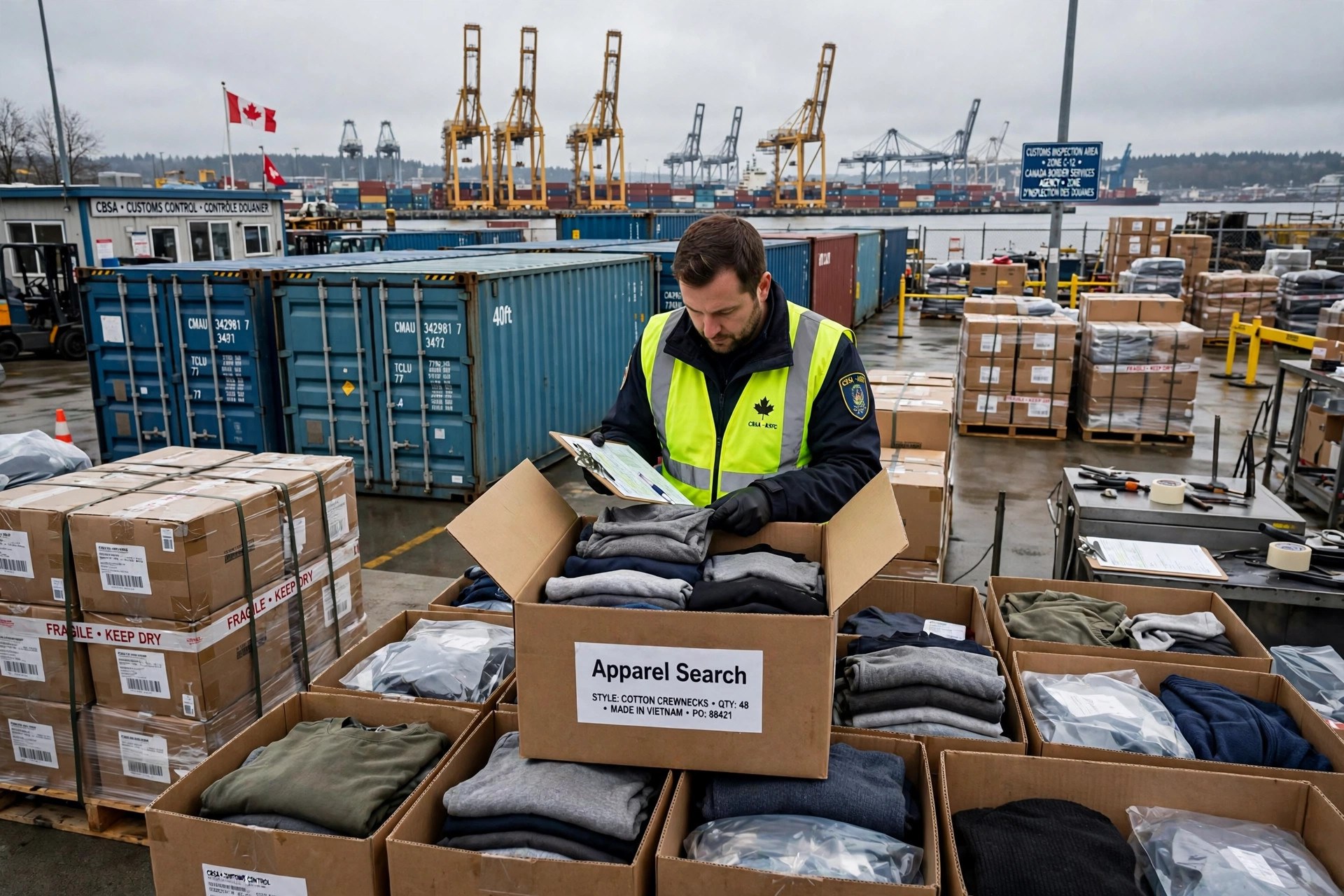
Clothing shipped into Canada is cleared by the Canada Revenue Agency and the Canada Border Services Agency. For an apparel brand, importer or retailer, that authority sets the requirements the goods must meet, assesses the duties and taxes on them, and decides which consignments to examine before release. This guide explains who the authority is, what its record shows about how it works, and how a clothing shipment moves through its system.
The sensible first step is the one Canada's own customs resources recommend: contact the customs office and learn the country's current requirements for your specific goods before you ship. Duty rates and entry rules change over time; what follows describes the authority, its history and the clearance process in the terms that matter to the clothing trade.
Start Here
The Customs Authority for Canada
The Canada Revenue Agency's mission is to promote compliance with Canada's tax legislation and regulations through communication, quality service and responsible enforcement, contributing to the economic and social well-being of Canadians. The federal 'Importing Goods into Canada' guidance walks an importer through each stage of the process, from getting started to clearing goods through customs.
What the Record Shows
Canadian apparel labelling has its own vocabulary: CA Identification Numbers identify dealers in the Canadian textile trade, and the CA# system lets buyers find companies by their identification number. A clothing importer selling into Canada should understand the CA# page's purpose alongside the customs entry itself, because the number follows the business through the Canadian market.
How a Clothing Shipment Is Cleared in Canada
A clothing shipment is cleared on its documents before it is cleared on its goods. The declaration describes each garment line - what it is, what it is made of, how many, and what it is worth - and the commercial invoice, packing list and transport document must tell the same story. Where the documents agree, clearance is a process; where they disagree, it becomes an investigation, and the goods wait while it runs.
Release is the end of a chain that starts at the supplier's packing bench. Customs in Canada works from the entry the trader files, and the entry works from the invoice, and the invoice works from what was actually packed. A discrepancy introduced at any earlier link - a miscounted carton, a fibre content described loosely - travels down the chain and surfaces at the border, where it is most expensive to fix.
Preparing a Clothing Shipment
Prepare the consignment the way an examiner would read it: cartons marked and counted, sizes and colours rationalised in the packing list, fibre content stated the same way on labels, invoice and declaration. Confirm the current requirements for your specific goods with the customs authority or a licensed broker before the goods leave - duty rates, labelling rules and entry procedures change, and this guide describes the authority and the process rather than a current tariff schedule.
More Customs Guides
Common Questions
Which agencies does a clothing importer deal with in Canada?
Canada's border and tax work is shared: the Canada Revenue Agency promotes compliance with tax legislation through communication, quality service and responsible enforcement, while the federal importing guidance published for traders covers each stage from getting started to clearing goods through customs.
What is a CA Identification Number?
A CA Identification Number (CA#) identifies a dealer in the Canadian textile and clothing trade. Buyers can find companies by their CA#, so an apparel business selling into Canada should know its own number and how the system works before its goods reach the border.
What should a clothing importer prepare before shipping to Canada?
Documents that agree with each other: a precise commercial invoice, a packing list matching the cartons, and fibre content, quantities and values stated the same way on every document and label. Confirm the current requirements for your specific goods with the Canada Revenue Agency and the Canada Border Services Agency or a licensed broker before the goods leave.
References & Further Reading
More to Explore
Return to the Customs & Import Guide main page for customs information on other countries and the full import guide:
Customs & Import Guide