Vermont Fashion Jobs
Fashion careers in Vermont — Burlington, ski towns and a handmade clothing culture
Vermont fashion jobs are the smallest market in this series, and among the most characterful. This is a state without a single big city whose clothing trade runs on four honest economies: Burlington's college-and-lake retail, the ski towns' winter apparel, a deep artisan culture of makers and small labels, and the practical stores that dress farming and working Vermont the rest of the year. Wool, flannel, boots and layers are not a look here — they are the climate's requirements, sold by people who wear them.
Anyone promising you a Vermont fashion metropolis is selling something; this guide instead maps the real doors: Burlington and its suburbs, Stowe and the resort corridors, Manchester's outlet and visitor trade, the maker economy of studios and markets, and the general stores and outfitters of the small towns. In a market this size, careers are built on versatility and seasons — and for the right person, that is the attraction. The Vermont resources here link to the role descriptions that fit this small-team world.
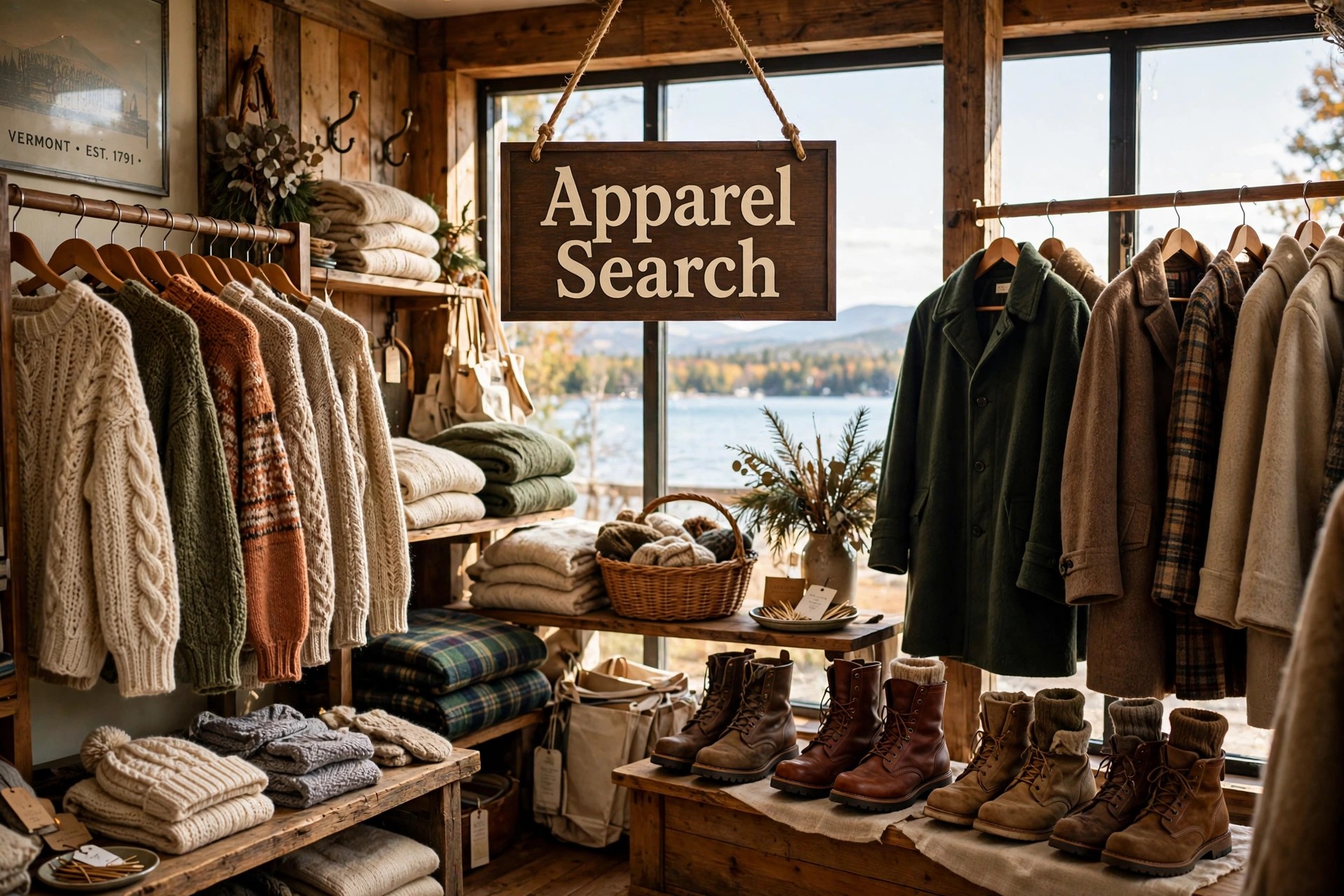
Find Current Fashion Job Listings in Vermont
Apparel Search researches careers rather than posting openings, so the live listings sit with the job boards. These searches track current fashion job listings in Vermont:
Burlington and the Northwest Corner
Burlington holds Vermont's only true retail concentration: Church Street's pedestrian marketplace of boutiques, outdoor stores and national specialty shops; the suburban centers of South Burlington and Williston; and a customer base blended from the university, the medical center, lake visitors and Chittenden County's professionals. Outdoor apparel is the anchor category — the lake, the Adirondacks across the water and the Green Mountains behind the city make technical clothing a year-round necessity — and Burlington stores employ staff whose hiking, paddling and skiing knowledge is the sales floor's working capital.
The northwest also keeps a manufacturing whisper: small apparel and textile makers, print and embroidery shops serving the state's schools, teams and businesses, and the e-commerce operations of Vermont-born brands run from modest offices. Roles are hybrid by necessity — the Burlington boutique associate may also pack web orders and shoot the social photos — and that breadth, learned young, is precisely what larger markets later pay for.
Ski Towns, Manchester and the Maker Economy
Winter writes Vermont's second map. Stowe, Killington, Ludlow and the Mad River Valley fill with ski and alpine clothing retail from November to April: technical outerwear, boot fitting, resort boutiques and the rental-adjacent trade, staffed by seasonal teams who often follow summer work to the lakes or the coast. Manchester in the south runs the state's outlet and visitor register — designer outlets and country stores serving second-home and leaf-season traffic, with foliage season rivaling ski season for selling intensity.
The maker economy is the third strand and the most Vermont of all: fiber artists, small-batch apparel labels, wool and knitwear producers, leather and canvas goods — sold through craft fairs, galleries, farm markets and online, employing makers, market sellers and studio assistants in ones and twos across the state. It will not make anyone rich quickly, but as an apprenticeship in complete clothing work — design, make, sell, repeat — a Vermont maker season is hard to beat, and the state's brand for authenticity gives its alumni a story employers elsewhere respect.
Searching the Smallest Market Well
Search Vermont personally: 'retail Burlington Church Street', 'ski shop Stowe', 'outlets Manchester Vermont', 'apparel maker Vermont'. Postings are sparse and word of mouth is dense, so the effective method is presence — visit the stores, introduce yourself with specifics, offer seasonal availability, and be ready to combine roles. Many Vermont fashion workers braid two seasons (winter ski retail, summer lake or market work) into one year-round living, and employers plan around exactly that pattern.
Prepare through the role descriptions in this section, emphasizing versatility and product truth: wool weights, boot fits, layering systems, repair and care. Vermont customers buy clothing to keep for years and ask how it is made; the candidate who answers well — about a Vermont store's own stock, in plain knowledgeable language — is the candidate Vermont keeps.
The General Store Standard: Vermont's Retail Honesty Test
Vermont still keeps the institution that trained American retail: the general store, where clothing shares floor with hardware and groceries and the staff's word is the warranty. Its standard — sell what works, stand behind it, know the customer by name and size — quietly governs the state's boutiques and outfitters too, however modern their stock. Candidates interviewing in Vermont should expect that ethic to be probed: how would you advise a neighbor against the expensive boot that does not fit her work? Answer with the store's long interest ahead of the day's sale, and you have understood Vermont retail better than most applicants ever will.
Common Questions
Where are Vermont's fashion jobs?
Burlington and its suburbs hold the year-round retail and outdoor trade. Stowe, Killington and the ski corridors hire winter apparel teams; Manchester runs outlets and visitor retail; maker studios and small labels employ in ones and twos statewide.
What clothing knowledge matters in Vermont?
Cold-weather and outdoor systems — wool, layering, technical outerwear, boot fitting — plus, in the maker economy, how garments are actually constructed, repaired and cared for.
How do Vermont fashion staff work year-round?
Often by braiding seasons: ski retail in winter, lake, foliage or market work in summer and autumn. Employers know the pattern and value staff who return for their season each year.