Cotton Fabric Prices
Fabric pricing is based on many factors, which makes a single cotton fabric cost range misleading. This guide explains what actually moves the price, and how regular buyers can track it fairly.
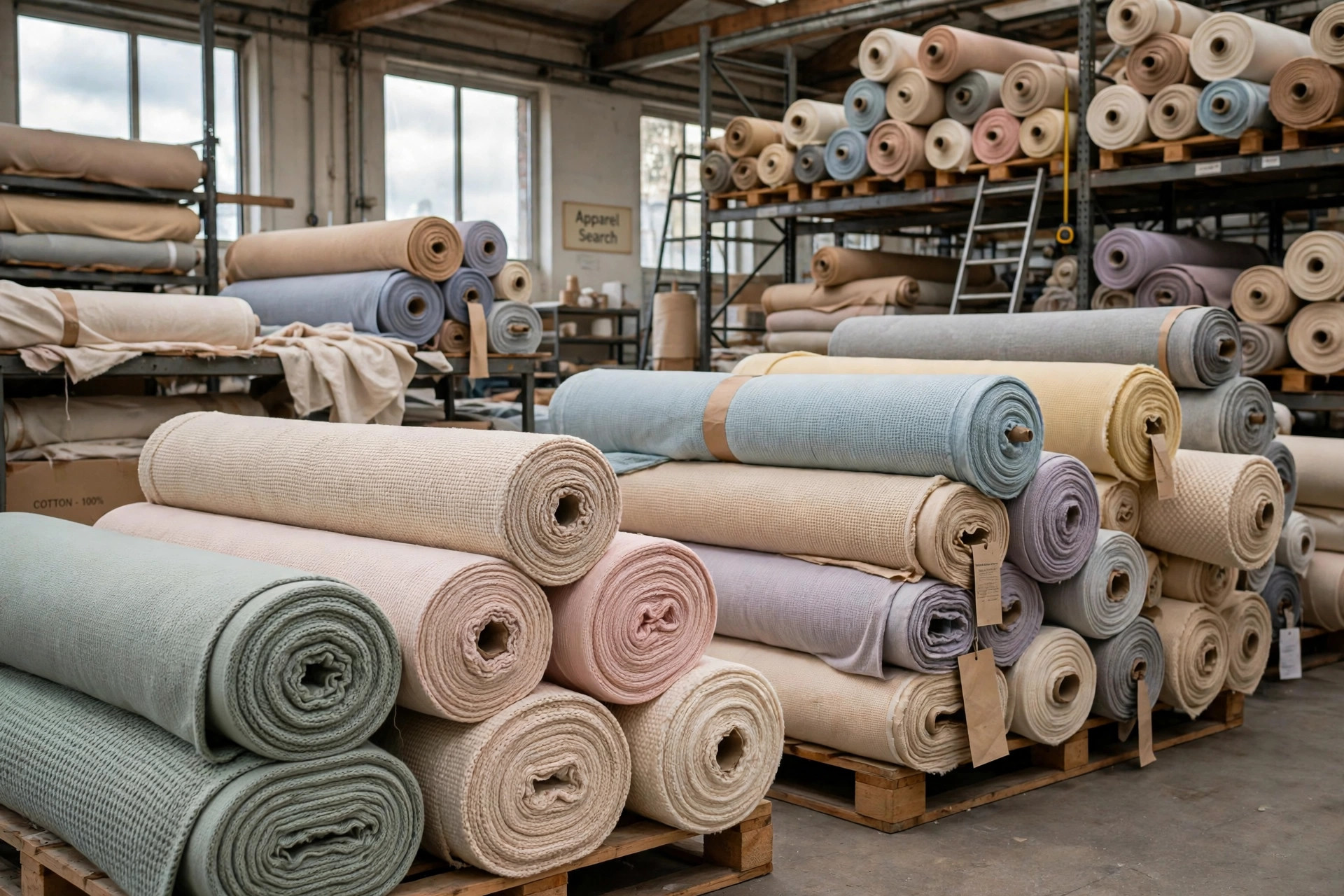
Why There Is No Single Cotton Fabric Price
Fabric pricing is based on many factors, so it is very difficult to give one useful cost range for cotton fabric. Most cotton fabric is sold as either woven or knit fabric, and those two families already price differently because their machinery, speeds, yarn requirements, and typical end uses differ. A lightweight knit for T-shirts, a midweight woven poplin for shirts, and a heavy woven denim or canvas may all be cotton, yet no honest single range could cover all three in a way that helps a buyer negotiate or budget.
In addition to the cost of raw cotton, there are numerous elements to consider when pricing out the fabric. Because there are so many different cotton fabric constructions, weights, and qualities, it is too challenging to provide pricing information as a simple table. That is not a refusal to help; it is a warning against false precision. A quoted range copied from an old page, without construction, weight, width, finish, quantity, and delivery terms, can mislead a new buyer into under-budgeting a program or accusing a fair supplier of overcharging.
The Factors That Move the Price
Factors that affect price include carding, combing, ring-spun and open-end spinning, weaving techniques, knitting techniques, dyeing, finishing, packing, warp, weft, quality of yarn, count, and weight. Each item is a real cost step. Combing removes short fibers and costs more than carding alone, but yields smoother yarn. Ring spinning generally costs more than open-end spinning and gives a different hand and strength. Finer counts take more time and better fiber. Heavier fabrics use more fiber per yard. Dyeing and finishing add chemicals, water, energy, handling, and inspection, and special finishes add more.
Construction matters just as much. Warp and weft choices, weave density, knit structure, and fabric width change how much yarn is consumed and how long a loom or knitting machine is occupied. Greige goods — unfinished fabric straight from weaving or knitting — price lower than dyed, printed, or finished fabric because the later steps have not yet been paid for. Quantity matters too: development yardage, sample cuts, and short runs carry setup costs spread over few yards, while large repeat orders spread those costs widely. Packing, testing, and freight terms complete a price that can look simple only in hindsight.
How Regular Buyers Track Fabric Prices
If you work in the apparel industry and purchase fabric on a regular basis, keep a pricing chart based on all of your purchases. In addition to listing the fabric price that you receive from your mill, write down, at that same point in time, the raw cotton price. As the price of raw cotton increases or decreases, you can see how that affects your cotton fabric purchase prices. Using percentages, you should be able to get a general idea if your supplier is charging you too much or not. That method works because it compares like with like: your own construction, from your own supplier, over time.
Build the chart carefully. Record the date, mill, construction, fiber and yarn details, weight, width, finish, quantity, currency, and delivery terms alongside the price, or later comparisons will confuse a specification change with a price change. Pair the fabric pages here with the Cotton Prices guide for the raw fiber and the Cotton Yarn Price guide for the intermediate step, so you can see whether a fabric increase follows fiber, yarn, conversion, or finishing costs.
Saving Money Without Guessing
You may also want to read about fabric utilization, or fabric consumption, if you wish to save money on fabric expenses. Utilization is often a larger saving than a small unit-price concession: better markers, sensible widths, and realistic allowances reduce the yards bought for the same number of garments. A slightly more expensive fabric that cuts efficiently and passes inspection can cost less per finished garment than a cheaper fabric with poor utilization, narrow usable width, or a high defect rate that forces recuts and replacements.
Use this page, then, as a pricing explainer rather than a price list. Ask any supplier to itemize the construction and finish behind a quote, state whether the goods are greige or finished, and confirm weight, count, and quantity assumptions in writing. Compare quotes only on the same specification, track them against raw cotton over time, and keep your own chart. That discipline will tell you more about cotton fabric prices than any generic range published without a date, a market, or a construction.
Common Questions
Why is there no single cotton fabric price range?
Pricing depends on fiber, carding or combing, spinning method, weaving or knitting, dyeing, finishing, yarn quality, count, weight, packing, and quantity, across many constructions, so one range would mislead.
What is the difference between greige and finished fabric pricing?
Greige goods are unfinished fabric from weaving or knitting. Finished fabric has also been dyed, printed, or finished, so those extra processing costs are included in its price.
How can a regular buyer judge whether a fabric price is fair?
Keep a chart of your own purchases with the raw cotton price recorded at the same time. Comparing percentage movements over time shows whether a supplier's fabric price follows the fiber market.
Looking for Fabric Mills and Suppliers?
For the wider world of mills and cloth beyond cotton, browse the main Fabric section on Apparel Search, then return to the Fabric Search cotton guides for fiber, yarn, and fabric pricing.