Cotton Yarn Prices
Are you searching for cotton yarn prices? This guide points to the price resources for the spinning stage — between raw lint and finished fabric — and explains how to read them without mixing stages.
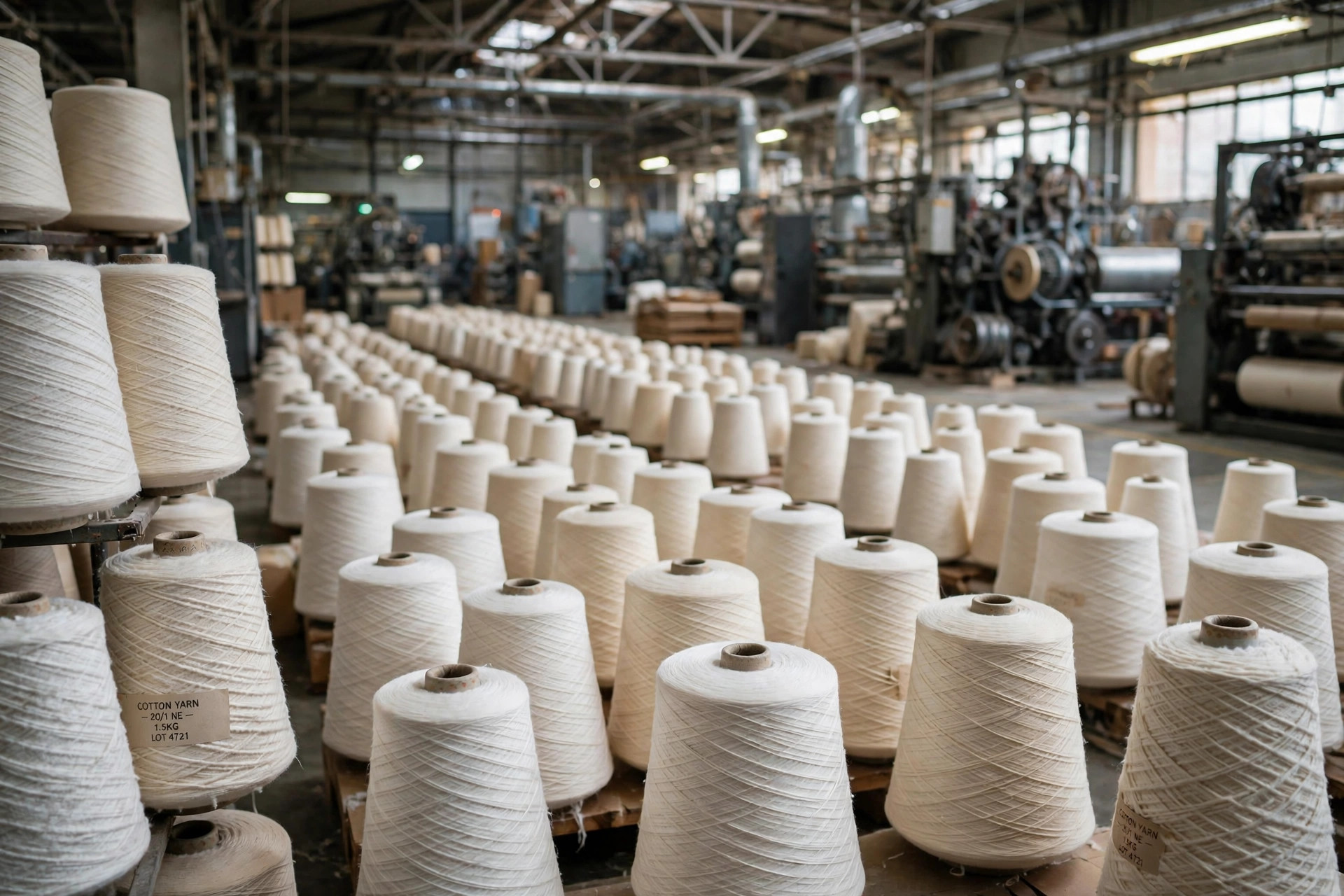
Yarn Is Its Own Market
Cotton yarn sits between two better-known prices. Upstream, lint is traded as a graded commodity; downstream, fabric is quoted by construction and finish. Yarn is where fiber cost meets spinning cost, and its price reflects both. Count, ply, carded or combed preparation, ring-spun or open-end method, twist, and intended use in weaving or knitting all change what a kilogram or pound of yarn should cost. Two yarns with the same cotton content can therefore price far apart without either quote being wrong. That is why the links below give current resources and a checking method, rather than a single figure.
The links below are a few that may help. All four external links are price resources, not individual spinning companies offering themselves for hire, so they are listed as References, not commercial listings. A marketplace search result, a specialist yarn market site, an international trade guide, and a textile news service each show a different face of yarn pricing. Learning which face you are looking at — an offer, an index-like report, a guide explanation, or news — is the first skill in using any of them well.
The Four Kinds of Resource on This Page
A marketplace search, such as the Alibaba cotton yarn search linked here, shows live offers from many sellers. Its strength is breadth and immediacy; its weakness is comparability, because offers differ in count, quality, origin, minimum quantity, and terms, and headline prices may assume the simplest specification in a listing. Read marketplace prices as a range of invitations to inquire, then confirm the exact count, preparation, and delivery basis before treating any figure as a market price. The Cotton Yarn Market site, by contrast, presents itself as a dedicated yarn price resource, narrower in purpose and therefore easier to check consistently over time for the yarn categories it covers.
The International Trade Centre's Cotton Guide includes a page on prices of cotton yarn inside its world cotton market coverage, which suits readers who need the structure explained: how yarn prices relate to lint, how counts and markets differ, and where a given country sits in the trade. Chinatexnet's cotton yarn pricing coverage is news-led, reporting movements and items from a major textile producing market. News explains why a price moved — a lint shift, demand change, or policy item — in a way a bare table cannot. Used together, an offer source, a dedicated market source, a guide, and news give a buyer both numbers and the reasoning behind them.
Linking Yarn Back to Lint and Forward to Fabric
A yarn price should never be judged in isolation from the lint price at the same date. Spinners buy fiber, hold it for a period, spin it, and sell yarn, so yarn reflects earlier lint purchases as well as today's benchmark, plus conversion costs that move more slowly. When lint rises sharply, yarn offers may lag, then catch up; when lint falls, buyers press for reductions that spinners resist until cheaper fiber reaches their floors. The companion Cotton Prices guide explains futures, spot, and monthly reporting, and reading the two pages together turns a yarn quote from a mystery into an arithmetic problem you can discuss with a supplier.
Forward, yarn is the main ingredient of greige fabric cost, so a knitter or weaver buying yarn and a garment maker buying fabric are watching linked numbers. If you buy fabric, ask which yarn count and quality sit inside it before blaming a fabric increase on greed or crediting it entirely to lint. If you buy yarn for your own knitting or weaving, record count, preparation, spinning method, quantity, and terms with every quote in the same chart discipline recommended on the Cotton Fabric Prices page, pairing each entry with the lint price that day.
Asking for a Yarn Quote That Can Be Compared
A comparable yarn inquiry names the specification completely: fiber and any blend, carded or combed, ring-spun or open-end, single or plied, count in the system your market uses, twist purpose where it matters, cone or hank presentation, quantity, delivery place, and timing. Vague inquiries draw vague prices that change at order stage, wasting everyone's time. Precise inquiries also protect quality: a price achieved by quietly shortening staple, skipping combing, or lowering twist is not a saving if the yarn then breaks in knitting, pills in wear, or dyes unevenly in the garment.
If you know of any additional cotton yarn pricing links that would be helpful to others, you are invited to share them, and that invitation fits this page's purpose: price resources, guides, and market reporting are welcome suggestions, while individual sellers belong in the supplier directories elsewhere on Apparel Search. Learn more about cotton fibers if the fiber terms need refreshing, and return to the Cotton Price hub to move between lint, yarn, and fabric with the stages kept straight.
Common Questions
Why isn't there a single price for cotton yarn?
Yarn prices vary by count, carded or combed preparation, spinning method, quality, quantity, and terms, and they move with lint. Current resources and a consistent checking method are more reliable than a fixed figure.
How does the lint price affect yarn prices?
Spinners convert lint into yarn, so yarn reflects fiber cost plus spinning conversion. Yarn may lag a sharp lint move because spinners work through fiber bought earlier, then reprice as new fiber arrives.
What should a yarn price inquiry specify?
Fiber, carded or combed, ring-spun or open-end, single or plied, count, presentation, quantity, delivery place, and timing — so quotes can be compared on the same specification.
More to Explore
Looking for Fabric Mills and Suppliers?
For the mills and suppliers who spin, weave, and knit at scale, explore the main Fabric section on Apparel Search, then return to the Fabric Search cotton guides for each pricing stage.