Flannel Fabric
Flannel is the soft woven fabric that not only looks and feels good but also provides warmth. This guide explains what makes a cloth a flannel, how napping creates its brushed surface, and how to choose between wool, cotton and blended flannels.
Shop Flannel Fabric Now
Shop Flannel Fabric on Amazon Shop Flannel Fabric on eBayThese links open the Apparel Search shopping guides for Amazon and eBay, where the product links are kept in one place.
What Flannel Is
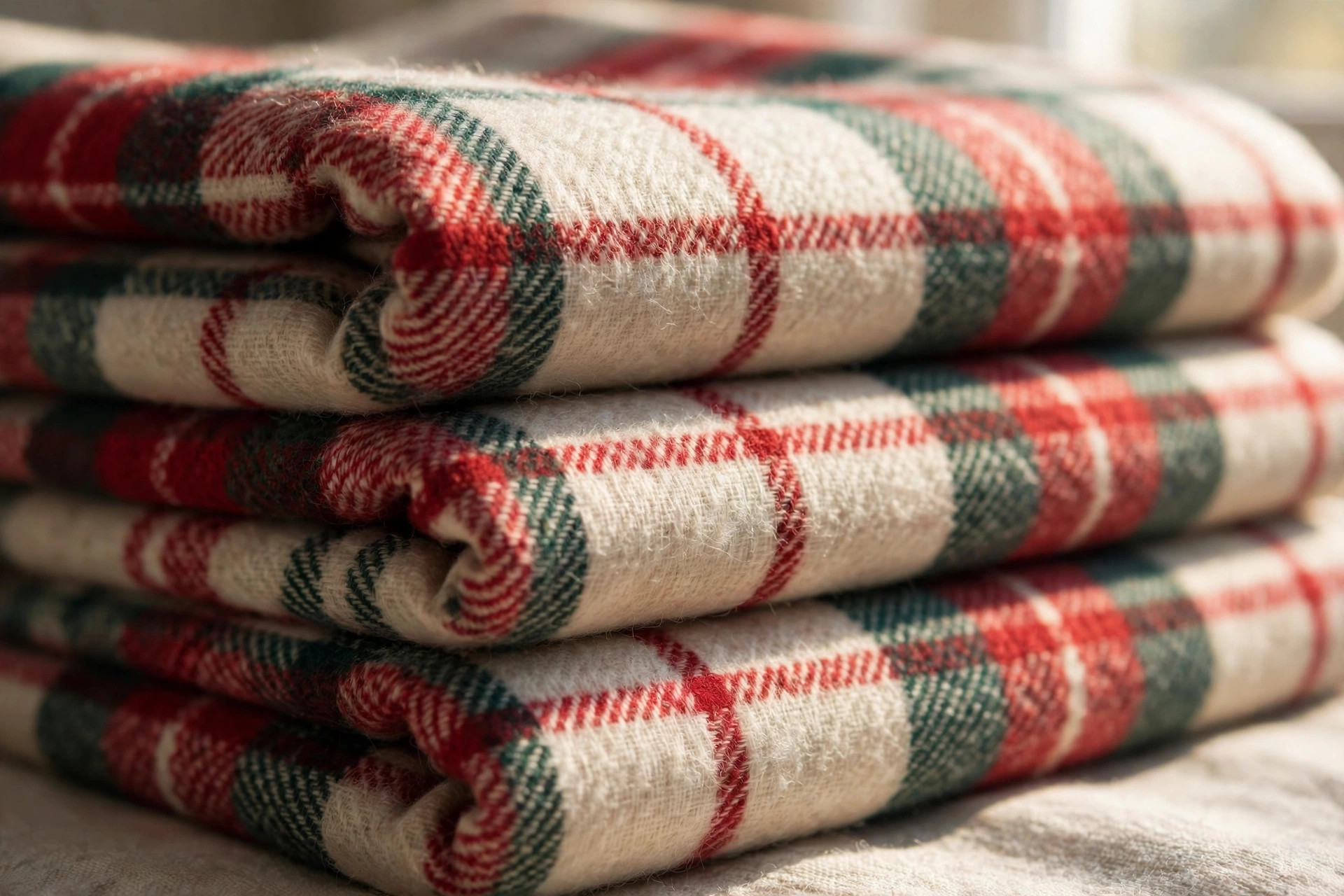
Flannel is a soft woven fabric defined less by its fiber than by its finish. The first flannels were wool, but flannel is now commonly made of cotton and occasionally of other fibers, including synthetic blends. What flannel fabrics have in common is that they are napped: after weaving, the surface is brushed to raise a soft layer of fiber that traps air, adds warmth and gives flannel the slightly fuzzy hand that distinguishes it from a smooth plain-weave cotton.
Because flannel names a finish rather than a fiber, two flannels can behave quite differently. A wool flannel suiting is smooth, drapes cleanly and is only lightly brushed, while a cotton flannel shirting is loftier and softer against the skin. If you want the formal definition as well, readers asking what is flannel? can turn to the Apparel Search flannel definition, which sits alongside this guide's practical advice.
How Napping Works
Napping is a finishing process performed after the fabric is woven. The cloth passes over rotating brushes or wire-covered rollers that lift fiber ends out of the yarns and lay them in one direction. One pass gives a light, peach-like softness; repeated passes build the deep, warm nap of a heavy winter flannel. The raised fibers hide the weave structure, which is why flannel prints and yarn-dyed plaids look softer and slightly muted compared with the same pattern in a smooth cloth.
Napping can be applied to one side or both. Single-napped flannel is common in shirting, where the brushed face sits against the skin and the smoother back keeps the garment tidy. Double-napped cloth, brushed on both faces, is warmer and is used for blankets, interlinings and cold-weather sleepwear. The trade-off is durability: the raised surface that makes flannel comfortable can pill or wear thin sooner than the base weave underneath it.
Types and Common Uses
Cotton flannel is the everyday workhorse: shirts, pajamas, baby blankets, receiving blankets, quilting backs and the lining of cold-weather clothing. Its yarn-dyed plaids, where the pattern is woven in rather than printed, are the classic flannel shirt look. Wool flannel serves a different wardrobe, in trousers, skirts and tailored jackets where a matte, slightly textured surface reads as quiet and formal, and in blankets valued for warmth without much weight.
Weights matter when you buy. Light flannels suit shirts and sleepwear, midweights make versatile overshirts and children's clothing, and heavy flannels serve for blankets and workwear. For flannel in finished clothing, see the flannel clothing guide, because many readers arrive at the fabric through a garment they already love and want to understand, copy or replace.
Buying and Caring for Flannel
When buying flannel by the yard, feel both faces, hold the cloth up to the light to check weave evenness, and ask whether the design is yarn-dyed or printed if color depth matters to you. Check the fiber content honestly against the job: cotton is easy to wash and kind to skin, wool brings natural warmth and drape, and blends can add strength or reduce cost while keeping most of the softness. Pre-wash cotton flannel before cutting, since napped cottons can shrink noticeably on their first wash.
Care follows the fiber. Cotton flannel washes warm, softens further with use, and benefits from a gentle dry to protect the nap. Wool flannel prefers cooler, gentler handling. Brush garments rather than washing them after every wear, and expect the nap to relax over time; that gradual softening is part of the fabric's character rather than a fault. The mills, wholesalers and stores in this flannel section, linked from the pages around this guide, cover each route to buying it.
Common Questions
What is flannel made of?
Originally wool, and now commonly cotton and occasionally other fibers or blends. What defines flannel is not the fiber but the napped finish: the woven cloth is brushed to lift fibers from the yarn, creating its soft, warm surface.
What does napped mean?
Napping is a finishing process performed after weaving, in which the fabric is brushed to raise fiber ends from the yarn. It traps air for warmth, hides the weave for a softer look, and can be done on one or both sides of the cloth.
Is flannel only for winter?
No. Heavy double-napped flannels are winter fabrics, but light cotton flannels are soft, breathable and comfortable all year in shirts, sleepwear and baby items. Weight and fiber, not the name, decide the season.
More to Explore
References & Further Reading
Looking for Fabric Mills and Suppliers?
Browse the broader Apparel Search fabric directory for other cloth types, or start again from the Fabric Search hub.