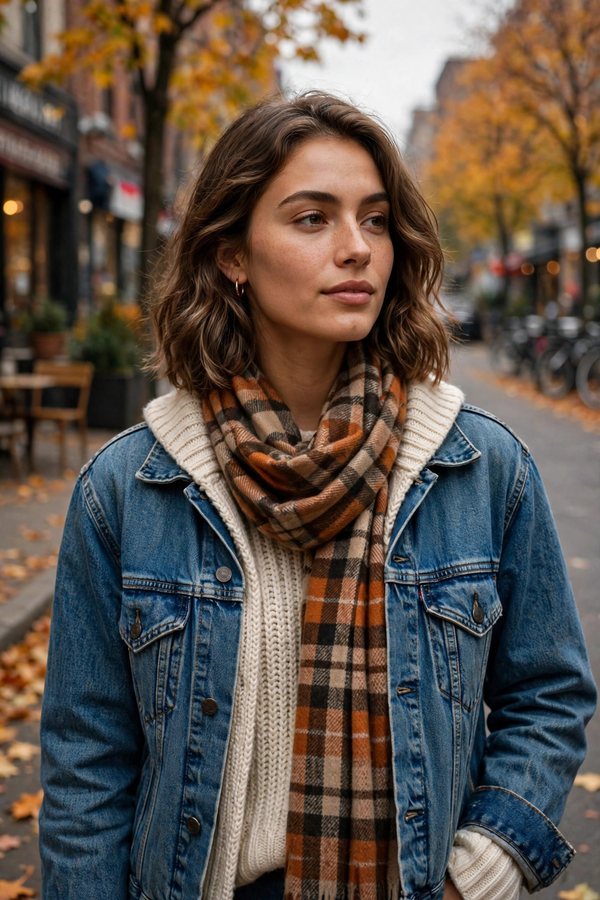
Layering is the practice of wearing multiple garments in strata — typically a moisture-managing base layer, an insulating middle layer, and a protective outer layer — to adapt to changing temperatures and create visual depth. Borrowed from outdoor and athletic apparel, layering is now a core fashion technique for transitional seasons.
The Three-Layer System
Outdoor tradition defines the formula: a base layer (merino or synthetic) moves moisture off the skin; a mid layer (fleece, down, or knit) traps warmth; an outer layer (shell or coat) blocks wind and rain. Fashion layering follows the same logic with more style latitude — a tee under a cardigan under a blazer follows the identical principle.
Each layer should be slightly looser than the one beneath it, and the whole stack needs room to move. If you can't comfortably raise your arms, something is too tight.
Layering as Style
Beyond warmth, layering creates the visual interest that separates an outfit from a uniform. Contrasting textures — denim over flannel, leather over knit — and staggered hemlines add depth. A good rule: vary one thing at a time. Different textures in the same color family, or different colors in the same texture, keep layers harmonious.
Accessories count as layers too: scarves, vests, and overshirts add strata without bulk. This is also where a capsule wardrobe pays off — interchangeable pieces layer in dozens of combinations.
Common Layering Mistakes
The classic errors: too many bulky layers (three thin beats two thick), clashing proportions (a long coat over a cropped jacket looks accidental), and forgetting that indoor heating exists — dress for the warmest part of your day, not the coldest, and make the outer layer easy to shed.
FAQs
- How many layers should you wear?
- Three is the classic system — base, mid, outer — but fashion layering often uses two or four. More than four usually means something underneath is too bulky.
- What is the best base layer fabric?
- Merino wool and synthetics wick moisture; cotton does not — it holds sweat and chills you. For fashion (not sport) layering, any comfortable fitted tee or turtleneck works.
- Can you layer in summer?
- Lightly: an open overshirt over a tank, or a sheer kimono over a dress, adds style strata without heat. Linen and open weaves keep summer layers wearable.
Detailed Guides: see Layered Clothing in the L section of the Apparel Search fashion glossary for related terms.