Stainless Steel Bracelets
The hard, no-tarnish modern metal of everyday bracelets
Stainless steel bracelets are built from corrosion-resistant steel alloys, usually the surgical grade 316L used for quality jewelry, giving a bracelet that is extremely hard, will not tarnish or rust in normal wear, holds brushed and polished finishes, and costs a fraction of precious metal equivalents. Steel dominates modern men's link, chain, cuff and ID bracelets and much unisex industrial-style jewelry. This guide covers steel grades and what they mean for skin and durability, the main styles and finishes including black and gold-tone coatings, sizing, and care.
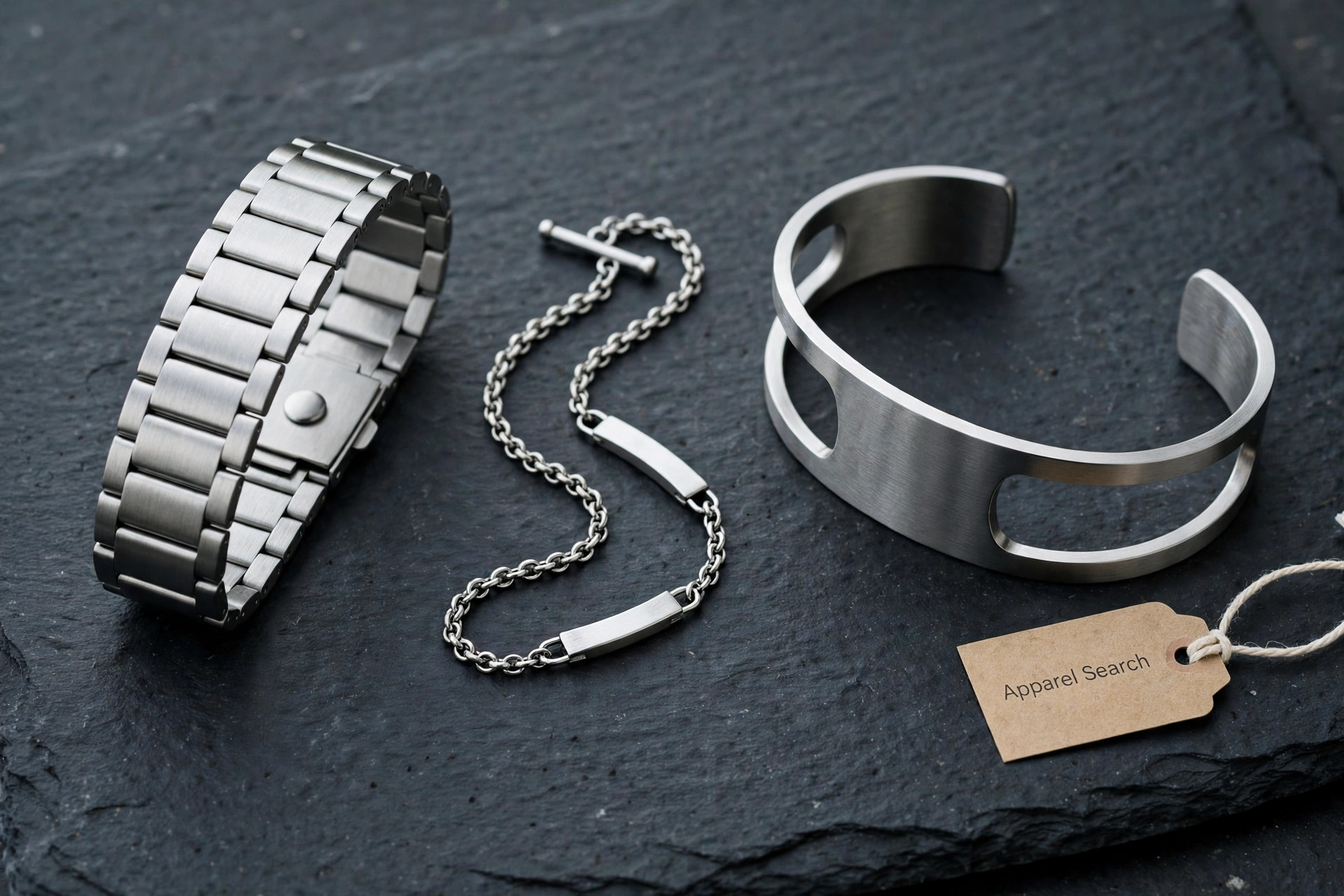
Stainless Steel Bracelets: Beauty Meets Durability
Stainless steel bracelets have emerged as a fashionable and durable choice for jewelry enthusiasts seeking a unique blend of style and strength. In this article, we will explore the pros and cons of wearing stainless steel bracelets, compare stainless steel to other popular bracelet materials, discover where to find stainless steel bracelets, explore popular styles, and delve into the ease of use for jewelry designers.
Pros and Cons of Wearing Stainless Steel Bracelets:
Pros:
Durability: Stainless steel is highly resistant to corrosion, tarnishing, and discoloration. This durability ensures that stainless steel bracelets can withstand daily wear and retain their luster.
Affordability: Stainless steel is a cost-effective alternative to precious metals like gold, silver, or platinum, making it accessible to a wide range of consumers.
Hypoallergenic: Stainless steel is generally hypoallergenic, making it an excellent choice for those with sensitive skin. It is less likely to cause skin reactions compared to some other metals.
Low Maintenance: Stainless steel requires minimal maintenance. Cleaning is typically straightforward with mild soap and water.
Cons:
Limited Precious Metal Value: Stainless steel lacks the intrinsic value associated with precious metals, making it less suitable for investment or heirloom purposes.
Weight: Stainless steel is dens
Adjustability: Some stainless steel bracelets may not be easily adjustable in size once they are crafted.
Stainless Steel vs. Gold, Silver, and Platinum Bracelets:
Durability: Stainless steel outperforms gold, silver, and platinum in terms of durability. It is highly resistant to scratches, tarnishing, and corrosion.
Affordability: Stainless steel is significantly more affordable than gold, silver, or platinum, making it an attractive choice for those seeking a stylish yet budget-friendly option.
Weight: Stainless steel is heavier than silver but lighter than gold or platinum, providing a comfortable balance for daily wear.
Style Versatility: While gold, silver, and platinum offer traditional elegance, stainless steel offers a more modern and edgy aesthetic, appealing to a broader range of style preferences.
Popular Places to Find Stainless Steel Bracelets:
Stainless steel bracelets for both men and women can be found in various retail outlets and online marketplaces. Popular places to explore stainless steel bracelets include:
Jewelry Stores: Many jewelry stores carry stainless steel bracelets, both in physical locations and online.
Fashion Boutiques: Contemporary fashion boutiques often feature stainless steel jewelry as a part of their accessory collections.
Online Retailers: E-commerce platforms like Amazon, Etsy, and specialized jewelry websites offer a wide selection of stainless steel bracelet designs.
Craft Fairs and Artisan Markets: Artisan jewelers frequently create unique stainless steel bracelets with distinctive designs.
Popular Styles of Stainless Steel Bracelets:
Stainless steel bracelets come in various styles to suit diverse tastes. Popular styles include:
Link Bracelets: Stainless steel link bracelets feature interlocking links, offering a classic and timeless look.
Cuff Bracelets: Cuff-style stainless steel bracelets can be sleek and minimalist or bold and embellished with intricate patterns.
Bangle Bracelets: Stainless steel bangle bracelets are solid and round, available in various thicknesses and designs.
Mesh Bracelets: Stainless steel mesh bracelets provide a unique texture and flexibility.
Charm Bracelets: Stainless steel charm bracelets allow customization with personal charms and pendants.
Ease of Use for Jewelry Designers:
Stainless steel can be a versatile material for jewelry designers. Its durability and resistance to tarnish and corrosion make it ideal for creating long-lasting pieces. Additionally, stainless steel's affordability allows designers to experiment with various styles and designs without the constraints of using precious metals. While it may require specialized tools and techniques due to its density, many jewelry designers find stainless steel a rewarding and accessible medium for their creations.
Stainless steel bracelets offer a compelling combination of durability, affordability, and style. They have become a popular choice for both men and women, appealing to those who seek a fashionable yet resilient accessory. Whether you're looking for a sleek cuff or a charm-laden link bracelet, stainless steel provides a versatile canvas for contemporary jewelry design.
You may want to also learn about silver bracelets and platinum bracelets.
Learn more about stainless steel earrings.
Built for the Bracelet's Hard Life
No jewelry item is knocked about like a bracelet, and steel's hardness turns that fact from a problem into a non-issue: links do not wear thin the way gold links do, brushed finishes hide the scratches that do occur, and there is no plating to preserve on plain steel pieces. The titanium and tungsten bracelets guides in this section cover the two modern metals that compete with steel, one lighter, one harder, and comparing the three is the fastest way into modern men's bracelet buying.
Coated steel needs one caution the plain metal does not: black, gold-tone and colored finishes on steel are surface layers, usually PVD coatings, which are tough but can wear at edges and clasp points over years of hard use. A buyer choosing a coated piece should expect that patina of wear, while a plain brushed or polished steel bracelet will look essentially unchanged a decade later with nothing more than soap-and-water cleaning.
Common Questions
What grade of stainless steel is best for bracelets?
316L stainless steel, often called surgical steel, is the quality standard for jewelry because its low nickel release and high corrosion resistance suit prolonged skin contact and water exposure. Cheaper bracelets may use 304 grade, which is still stainless but less resistant and more likely to trouble nickel-sensitive wearers.
Will a stainless steel bracelet tarnish or rust?
In normal wearing conditions, no: stainless steel's chromium content forms an invisible oxide layer that prevents tarnish and rust, which is why steel bracelets tolerate water, sweat and daily wear that would demand care from silver. Strong chemicals and pitting corrosion are still possible in extreme conditions, but ordinary life does not reach them.
Can stainless steel bracelets be resized?
Link bracelets can be shortened by removing links, as with watch bracelets, but steel cannot be soldered or stretched with the simple equipment used for gold and silver, and solid steel bangles and cuffs cannot be resized at all. Buy steel bracelets in the right size and have link adjustments done with proper watch-style tools.