Blue Topaz Necklaces
Sky, Swiss and London blue, in one stone
Blue topaz necklaces feature blue topaz, topaz treated to display clear blues in three trade shades: pale Sky Blue, vivid medium Swiss Blue, and deep, slightly grey-green London Blue. Natural blue topaz is rare and very pale, so nearly all blue topaz jewelry is produced by irradiating and heating colorless topaz, a standard, stable and accepted treatment that sellers disclose. This guide covers the three shades and how to choose between them, topaz properties, including its hardness and the cleavage that calls for protective settings, pendant, strand and station necklace styles, metal pairings, and care. Blue topaz is a December birthstone and one of the most affordable ways to wear a large, clean, strongly colored blue stone at the neck.
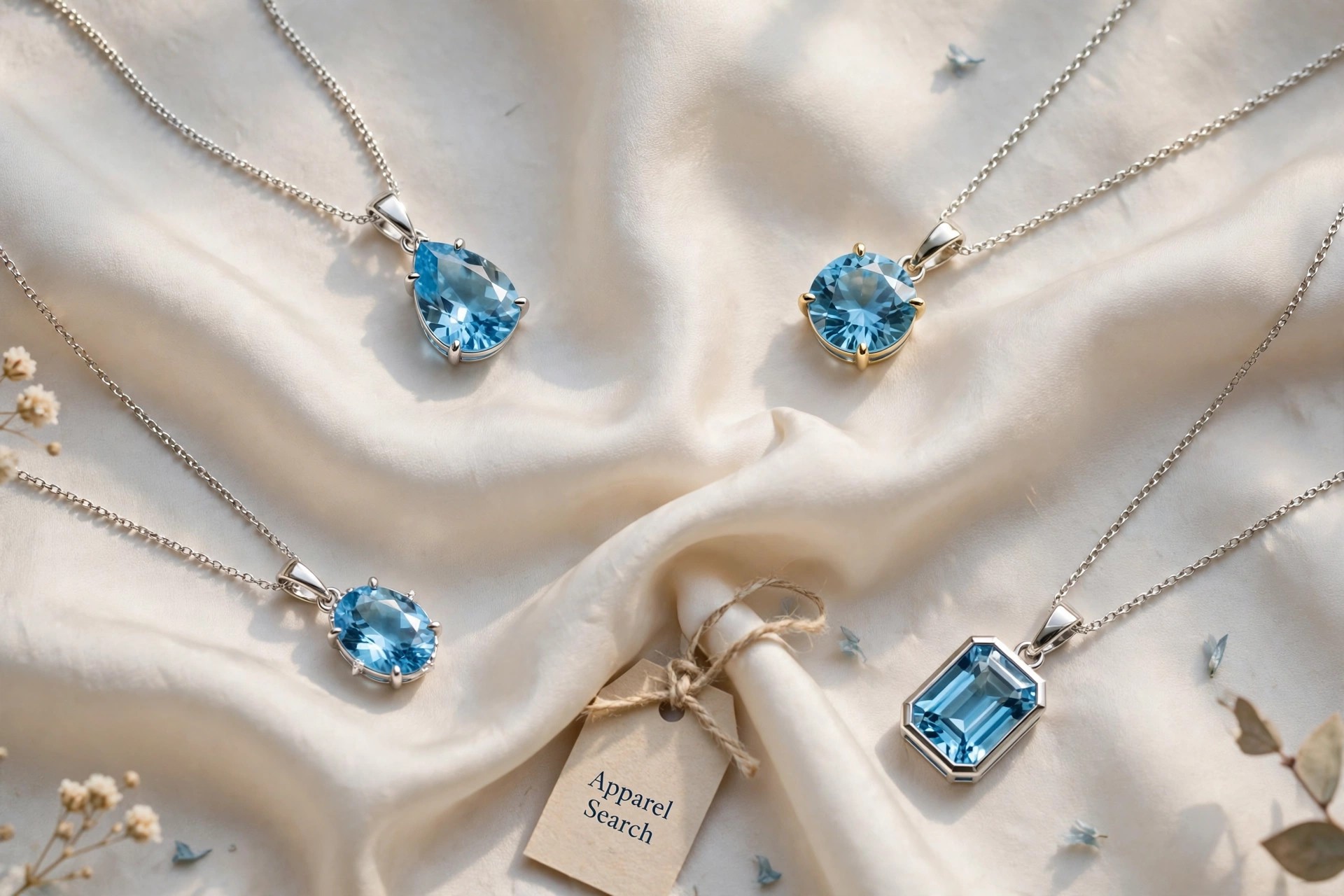
Blue topaz necklaces are exquisite pieces of jewelry that feature the captivating blue topaz gemstone as the focal point. Blue topaz is a popular semi-precious gemstone known for its stunning blue hues, making it a sought-after choice for jewelry lovers. Let's delve into the details of blue topaz necklaces.
Gemstone Properties:
Blue topaz is a transparent to translucent gemstone that comes in various shades of blue, ranging from a pale sky blue to a deep, vibrant blue. It is often associated with qualities like clarity, emotional balance, and spiritual rejuvenation.
Varieties:
-
Blue topaz necklaces can feature different varieties of blue topaz, including:
-
Sky Blue Topaz: Known for its light, airy blue color, resembling the sky on a clear day.
-
Swiss Blue Topaz: A medium to deep blue shade, often resembling the ocean's hues.
-
London Blue Topaz: The deepest and darkest blue shade in the topaz family, reminiscent of a moonlit night sky.
Designs and Styles:
Blue topaz necklaces are available in a wide array of designs to suit various preferences and occasions, including:
Solitaire Necklaces: A single blue topaz gemstone
set in a pendant, often accompanied by a simple chain.
Blue Topaz and
Diamond Necklaces: Combining blue topaz with diamonds for a sparkling and
elegant look.
Cluster Necklaces: Multiple blue topaz gemstones arranged in a cluster for a more intricate and eye-catching design.
Blue Topaz Beaded Necklaces: Blue topaz beads strung together, sometimes complemented by accent beads or metals.
Blue Topaz and Pearl Necklaces: Combining the beauty of blue topaz with the timeless elegance of pearls for a classic and refined style.
Settings:
- Blue topaz can be set in various metals, including sterling silver, yellow gold, white gold, rose gold, or platinum. Each metal complements the blue tones of the gemstone in a unique way, allowing for versatile and personalized designs.
Occasions:
Blue topaz necklaces are suitable for a range of occasions, from everyday wear to special events. They can add a touch of elegance to casual outfits and complement formal attire, making them a versatile choice for any wardrobe.
Symbolism and Meaning:
Blue topaz is often associated with tranquility, communication, and self-expression. It is believed to promote clear thoughts and enhance one's ability to communicate effectively. As a blue gemstone, it is also linked to calming energies and serenity.
Care and Maintenance:
To preserve the beauty of a blue topaz necklace, avoid exposing it to harsh chemicals, extreme heat, and direct sunlight. Regularly clean the necklace with a mild soapy solution and a soft brush to maintain its shine and clarity.
Blue topaz is a mesmerizing gemstone renowned for its stunning shades of blue and unique properties. Let's explore its distinctive qualities, its mining origins, and what sets it apart from other gemstones.
1. Gemstone Properties:
Color Range: Blue topaz occurs in a spectrum of blue hues, from pale, almost colorless sky blues to intense, deep blues reminiscent of the sea or a clear summer sky.
Durability: Blue topaz has good durability, making it suitable for various types of jewelry. It has a hardness of 8 on the Mohs scale, indicating excellent resistance to scratches and abrasion.
Clarity: Blue topaz typically has good clarity, often with minimal inclusions, which contribute to its sparkling and vibrant appearance.
Luster: It exhibits a vitreous or glass-like luster when polished, enhancing its visual appeal.
Cut and Shape: Blue topaz is versatile in terms of cuts and shapes. It can be faceted into various cuts like oval, round, cushion, emerald, and pear, enhancing its brilliance and sparkle.
Treatments: Most blue topaz available in the market is often irradiated and heat-treated to achieve the desired blue color. These treatments are considered stable and permanent, resulting in the beautiful blue hues blue topaz is known for.
2. Mining and Sources:
Blue topaz is found in a variety of locations worldwide, including countries such as Brazil, the United States, Mexico, Sri Lanka, Nigeria, Namibia, Pakistan, Russia, and China.
Brazil is a significant source of blue topaz, particularly the Minas Gerais region, where a majority of the gemstones are mined.
Other notable sources include the U.S. (specifically Texas, Utah, and Colorado), where blue topaz is the state gem of Texas.
The mining process involves extracting topaz from pegmatite veins or as a byproduct of mining for other gemstones or minerals.
3. What Makes Blue Topaz Special:
Color Range: Blue topaz's wide spectrum of blue shades offers versatility and options to cater to various preferences and styles.
Affordability: Blue topaz is relatively affordable compared to some other gemstones while still maintaining its allure and beauty. This makes it accessible to a wide range of consumers.
Versatility in Jewelry: Its stunning blue shades make it a popular choice for a wide array of jewelry, including rings, necklaces, earrings, and bracelets, enabling people to adorn themselves with this captivating gemstone in different styles and settings.
Symbolism: Blue topaz is often associated with calmness, communication, and relaxation. It's believed to promote mental clarity, self-expression, and emotional balance, making it a gemstone that holds meaningful symbolism for many wearers.
Healing and Metaphysical Properties: In metaphysical beliefs, blue topaz is considered a stone of truth, wisdom, and clear communication. It's believed to enhance mental focus, creativity, and spiritual growth.
Blue topaz's alluring beauty, affordable price range, and symbolic significance contribute to its popularity and desirability in the world of gemstones and jewelry. Whether used as a birthstone, a thoughtful gift, or a personal accessory, blue topaz continues to capture the hearts of gemstone enthusiasts.
Blue topaz necklaces are timeless pieces of jewelry that combine elegance and charm, making them a beloved choice for both personal use and as meaningful gifts for loved ones. Whether as a statement piece or a delicate everyday accessory, a blue topaz necklace adds a touch of sophistication and grace to any ensemble.
Learn about blue topaz bracelets, about blue topaz rings and blue topaz earrings.
Three Blues, One Pendant Decision
The blue topaz shades let a buyer tune a necklace precisely. Sky Blue pendants sit quietly against the skin and pair with silver for a fresh, daytime look. Swiss Blue is the crowd-pleaser, bright enough to register across a room and the shade most station necklaces and strands are built in. London Blue does something rarer: a deep, muted blue that behaves almost like a neutral, wearing well with black, grey and evening colors where a brighter stone would shout. Owning two shades is common in necklace collections for exactly this reason.
Settings should respect topaz cleavage: bezels and halos protect the girdle of a pendant stone, and prong settings should use enough metal to guard the corners of emerald and cushion cuts. White metals keep all three blues clean, while yellow gold warms Sky and Swiss shades into a deliberate contrast. With honest treatment disclosure and a sound setting, a blue topaz necklace offers more saturated blue per dollar than any other stone in the necklace section, which is why it anchors so many colored-stone pendant collections.
Common Questions
What is the difference between sky, Swiss and London blue topaz?
They are three depths of the same treated blue. Sky Blue is pale and airy, close to aquamarine in effect. Swiss Blue is a bright, saturated medium blue, the most electric of the three. London Blue is the deepest, a steely blue with slight green-grey tones that reads as sophisticated and suits evening wear. Price rises modestly with depth, and the choice is mostly about the wearer's coloring and how strong a blue statement the necklace should make.
Is blue topaz treated, and does that matter?
Yes: almost all blue topaz is colorless topaz that has been irradiated and then heated to develop a stable blue. The treatment is permanent in normal wear, is universally accepted in the trade, and should be disclosed. It does not make the stone fragile or artificial; the material is genuine topaz throughout. Buyers are paying for color, cut and setting quality, and treated blue topaz delivers all three at prices natural blue stones could never reach.
How should blue topaz necklaces be cared for?
Topaz is hard but has perfect cleavage, so protect pendants from hard knocks and avoid ultrasonic and steam cleaning. Clean with warm soapy water and a soft brush. Long exposure to strong heat is best avoided, and store blue topaz away from harder stones. Check prongs on pendant settings regularly, since a topaz pendant's size gives it leverage, and keep the chain and clasp in proportion to the stone's weight.