Citrine Rings
Sunny golden quartz, cut large for the hand
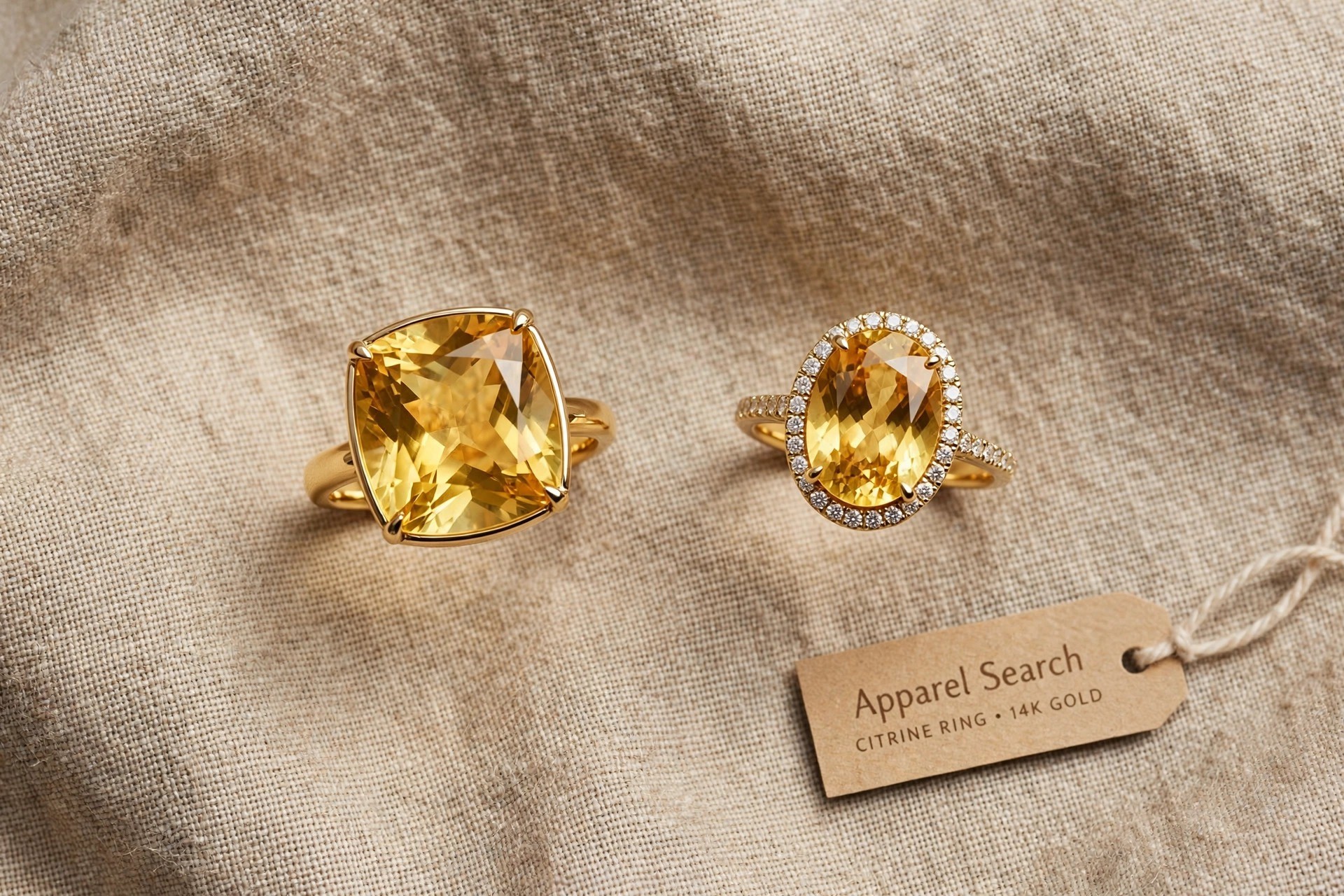
Citrine rings are set with citrine, the transparent yellow to golden-brown variety of quartz, colored by trace iron in the crystal. Natural citrine is uncommon, and most ring stones begin as amethyst or smoky quartz that is heated to shift its color to gold, a permanent and routinely accepted treatment that makes fine, large, eye-clean stones widely affordable. That affordability shapes ring design: citrine is frequently cut as a generous oval, cushion, emerald or checkerboard solitaire that would be prohibitive in a rarer gem, framed by gold that deepens its warmth or by white metal and diamond accents that sharpen its contrast. Citrine is the best-known November birthstone and the stone for the thirteenth wedding anniversary. At 7 on the Mohs scale it is hard enough for rings with reasonable care, though its edges and facet junctions can chip if struck, and prolonged strong sunlight can fade some stones.
Citrine Gemstone Rings: The Golden Sunshine Gem
Citrine gemstone rings are a vibrant and enchanting jewelry choice that captivates with its warm, golden hues. As a member of the quartz family, citrine is known for its bright and cheerful colors that resemble the shades of a glowing sunset. These rings are favored for their elegance, versatility, and the positive energy they are believed to bring.
Citrine Gemstone:
Citrine is a transparent, yellow to golden-brown variety of quartz. Its color is attributed to trace amounts of iron within the crystal structure. The gemstone is often associated with energy, warmth, and joy, earning it the nickname "The Merchant's Stone" due to its reputed ability to attract prosperity and success.
Learn about semi-precious gemstone rings.
Designs and Settings:
Citrine rings come in various designs and settings, catering to a wide range of preferences. Here are some popular designs:
Solitaire Rings: A single citrine gemstone takes center stage, often set in a simple yet elegant design to showcase its beauty.
Halo Rings: The citrine gemstone is surrounded by a halo of smaller diamonds or gemstones, enhancing its brilliance and making a bold statement.
Vintage Rings: Designs that draw inspiration from bygone eras, featuring intricate detailing and often incorporating other gemstones to complement the citrine centerpiece.
Three-Stone Rings: Citrine is paired with other gemstones or diamonds, creating a stunning three-stone design symbolizing the past, present, and future.
Meaning and Symbolism:
Citrine is often associated with positive energy, abundance, and joy. In the realm of crystal healing and spirituality, citrine is believed to enhance creativity, encourage self-expression, and promote optimism. Its golden color is thought to represent warmth and life-giving energy.
Occasions to Wear:
Citrine gemstone rings are suitable for various occasions:
November Birthstone: Citrine is one of the birthstones for November, making it an ideal gift for individuals born in that month.
Anniversaries: Citrine is often associated with the 13th wedding anniversary, making it a meaningful gift to celebrate this milestone.
Everyday Wear: Due to its durability (7 on the Mohs scale), citrine rings are perfect for daily wear, adding a touch of elegance to any outfit.
Where to Find:
Jewelry Stores: Local or chain jewelry stores often have a collection of citrine rings, providing various designs and settings to choose from.
Online Retailers: E-commerce platforms like Etsy, Blue Nile, and James Allen offer a wide range of citrine rings, including custom and unique designs.
Specialty Boutiques: Boutiques specializing in gemstone jewelry may have a curated selection of citrine rings, including handcrafted and artisanal pieces.
Citrine gemstone rings are a celebration of the golden hues of nature, symbolizing warmth, abundance, and positivity. Whether chosen for its beauty, meaning, or spiritual attributes, a citrine ring is a timeless and meaningful addition to any jewelry collection.
You may also want to learn about citrine bracelets, citrine earrings and citrine necklaces.
Color, Cut and Metal Pairings
The most valued citrine color for rings is a saturated golden yellow to rich reddish-orange, sold at the deep end as Madeira citrine after the wine of a similar hue; pale lemon stones cost less and suit quieter, everyday designs. Color should look even when the stone is viewed face-up on the hand, without a pale window in the center or brown pooling at the edges. Yellow gold intensifies the stone's warmth and is the classic pairing, rose gold flatters orange-leaning stones, and white gold, platinum or silver gives a cooler, more contrasting frame that makes light citrine appear brighter by comparison.
Halo and three-stone layouts put citrine's scale to deliberate use: a ring of small diamonds or white sapphires contains the big center stone visually, adds sparkle the quartz itself does not produce, and protects its girdle edge. Vintage-style rings with milgrain and filigree also suit citrine well, since the metalwork supplies the intricacy while the stone supplies color. For a November birthday or thirteenth anniversary gift, state the stone, its treatment and its carat weight in the gift paperwork, and size the ring after choosing the band width, because wide cocktail bands fit more snugly than narrow ones.
Common Questions
Is the citrine in rings natural or heat-treated?
Most citrine sold for rings is heat-treated, usually from amethyst, and sellers are expected to disclose that treatment. Heating produces the familiar honey and Madeira shades and the color is permanent under normal wearing conditions. Naturally colored citrine does exist and tends toward paler, smokier yellows. Because treatment is the trade norm, price should reflect cutting, size and setting quality rather than a claim of untreated rarity.
Why are citrine ring stones often so large?
Quartz rough is plentiful and citrine remains inexpensive per carat even in fine color, so cutters can fashion large, clean stones without the price multiplying as it would for sapphire or diamond. Rings take advantage of that with bold solitaires and cocktail styles, commonly five carats and well beyond. When choosing a large stone, check for even color through the face, a lively return of light, and a setting deep enough to sit comfortably on the finger.
How do I care for a citrine ring?
Clean citrine with warm water, mild soap and a soft brush, and dry it with a soft cloth; it tolerates gentle home cleaning well. Keep the ring out of prolonged, intense sunlight and away from high heat, which can fade or shift the color of some stones over time. Store it separately from harder gems such as diamonds and sapphires that can scratch quartz, and choose bezel or protected settings for rings worn every day.