The Difference Between Activewear and Sportswear
One transitions to everyday life; the other is built for a single sport
Activewear is clothing for an active life mixed with a casual social life — flexible exercise clothing that can transition into casual wear — while sportswear is sport-specific clothing, where a particular sport demands a particular type of gear. Activewear prioritises flexibility and style alongside functionality and comfort; sportswear is less flexible and focuses on the comfort, functionality and thermal demands of one activity.
The honest footnote is that the two categories have blended together over the years, and many retailers and brands consider them to be the same. The distinction is still worth understanding, because it explains why a pair of general training leggings and a competition swimsuit are designed so differently even though both are sold for exercise.
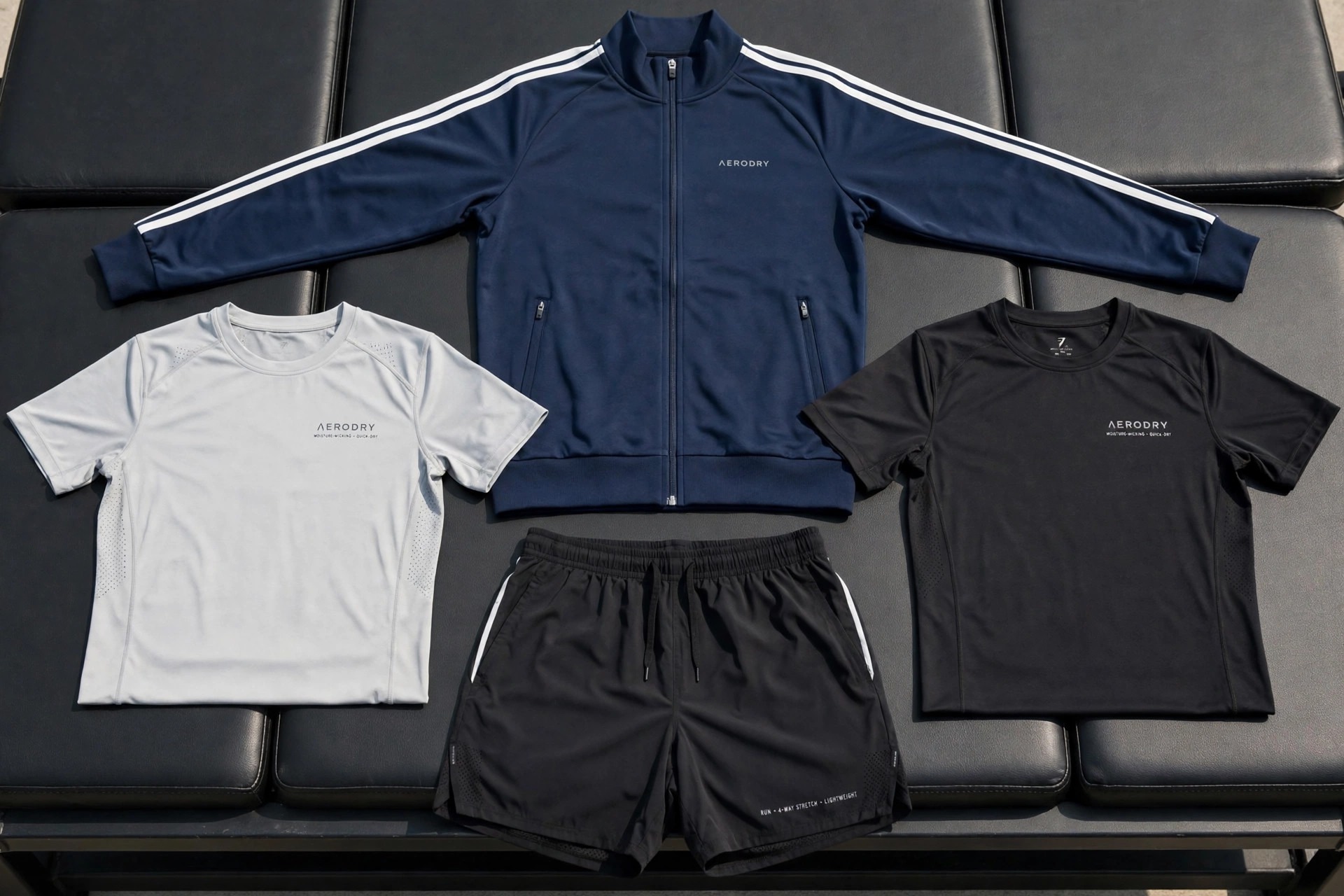
Related Fashion Questions & Guides
Activewear: Exercise That Transitions
Activewear clothes serve the purpose of an active life mixed with a casual social life. They can be used for exercising and then transition into casual wear without a change of outfit — the gym-to-errands, class-to-coffee pattern that defines modern active dressing. That double duty shapes the design: the garment must perform under movement and still look intentional on the street afterwards.
Activewear clothes have more flexibility, and they have more style along with functionality and comfort. Flexibility here means two things: physical stretch and freedom of movement for varied, general exercise, and wardrobe flexibility across activities and settings. Because no single sport dictates the design, activewear favours versatile pieces — leggings, joggers, hoodies, sports tops — in fabrics and colours chosen as much for appearance as for performance, and it is bought as everyday clothing as well as exercise clothing.
Sportswear: Built for One Sport
Sportswear is sport-specific: a particular sport demands a particular type of gear and clothes. Sportswear clothes are less flexible and more focused on comfort, functionality and the thermal functions of a fabric. Thermal function matters because each sport manages heat and moisture differently — a distance runner, a swimmer and a skier need opposite things from a fabric, and sport-specific design answers those demands precisely rather than generally.
The clearest proof is how unlike each other sport-specific garments are. Clothes for gymnastics and swimming are absolutely different from any other kind of clothing: a leotard is engineered for unrestricted movement and a close fit judged on form, while a swimsuit is engineered for water, drag and chlorine. Neither would serve the other's sport at all. The same logic produces cleats, padded kit, aerodynamic suits and insulated layers — each garment exists because one sport's rules, surfaces and conditions require it.
Where the Categories Blend
It is important to note that these two categories have blended together over the years, and in all honesty many retailers and brands consider them to be the same. Shop floors reflect that: the same rail may hold general training wear and sport-specific pieces under one department name, and in American retail usage the word sportswear has also long been used for casual separates generally, which adds a third, purely casual meaning to the confusion.
The blending is practical as well as linguistic. Technical fabrics developed for specific sports — stretch, moisture management, thermal regulation — migrated into general activewear, while activewear's styling migrated back into team and training kit. A modern training top may use a fabric born in competitive sport and a cut born in lifestyle dressing. For the shopper, the label matters less than the design intent: ask whether the garment was built for your exact activity or for active life in general.
Choosing the Right One
Choose sportswear when your activity has specific demands: a sport's rules, playing surface, water, weather or safety requirements that general clothing cannot meet. Swimming, gymnastics, cycling, skiing and team sports all reward purpose-built gear, and in competitive settings the specific garment may be required outright. In those cases the narrower fit, thermal behaviour and functional details are not restrictions — they are the performance.
Choose activewear when your exercise is varied and your day is mixed. If you train generally, walk, stretch, travel and socialise in the same outfit, activewear's flexibility, style and comfort serve you better and cost less per wear. Many wardrobes need both: sport-specific kit for the sport itself, activewear for everything around it. Knowing which category a garment belongs to tells you what it was optimised for — and prevents the mistake of expecting a lifestyle legging to do a competition garment's job, or a competition garment to do a lifestyle legging's.
Common Questions
Can activewear be worn as casual clothing?
Yes — that is its defining purpose. Activewear serves an active life mixed with a casual social life, so it is designed to be used for exercising and then transition into casual wear. It has more flexibility and more style alongside functionality and comfort, which is why pieces such as leggings and joggers are worn all day.
Why is sportswear sport-specific?
Because a particular sport demands a particular type of gear. Sportswear focuses on the comfort, functionality and thermal functions a specific activity requires, so clothes for gymnastics and swimming are absolutely different from each other and from other clothing. The narrow design is the performance: each garment answers one sport's rules, surfaces and conditions.
Are activewear and sportswear the same thing?
Retailers often treat them as the same, and the categories have blended together over the years as technical fabrics and styling crossed over. The underlying distinction remains: activewear is flexible, general exercise clothing that transitions to casual wear, while sportswear is purpose-built for one sport. Check what a garment was designed for rather than relying on the department label.
If You Have More Questions About Fashion
You may want to try these sections here on Apparel Search: