Women's Swimwear Fabrics: Shop by Style, Detail & Fit
What your swimsuit is made of determines how it fits, lasts, and feels.
Shop Swimsuits Now
Shop Swimsuits on eBay Shop Swimsuits on AmazonThe eBay and Amazon links on this page are affiliate links. If you make a purchase through them, Apparel Search may earn a commission.
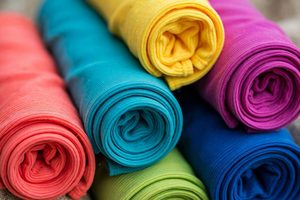
Two swimsuits can look identical on the hanger and behave completely differently in the water — the difference is the fabric. Understanding swimwear materials helps you predict stretch, longevity, chlorine resistance, and comfort before you buy, and it explains why some suits cost twice as much as others.
Nearly all modern swimwear is a blend built on two jobs: a base fiber (usually nylon or polyester) provides strength and structure, while an elastomer (spandex, Lycra, or elastane — same family, different brand names) provides stretch and recovery. The ratio matters: 15-20% elastomer is typical for good recovery; less means the suit bags out faster. Higher-end suits add linings, power mesh, and chlorine-resistant treatments.
Choosing by Priority
For pool regulars: prioritize chlorine resistance — polyester-based suits (often marketed as "chlorine resistant") survive seasons where standard nylon fades in weeks. For comfort: microfiber and jersey blends feel softest against skin. For shaping: look for suits advertising power mesh linings regardless of outer fabric. For the beach: UV protection ratings (UPF) matter if you burn easily — some fabrics now carry UPF 50+.
What the Labels Mean
"Lycra" is Invista's brand name for spandex — functionally identical to generic spandex/elastane. "Four-way stretch" means the fabric stretches both directions (essential for swim; two-way stretch suits bind). "Quick-dry" usually indicates a polyester base. Browse the fabric guides below for each material's full profile: properties, advantages, drawbacks, and care.
Looking for Women's Clothing Stores?
This guide helps you shop women's swimwear by style, detail and fit. To browse where to buy, visit our women's clothing store directory.