Fashion Art
Apparel Search fashion summary — a short guide to fashion art.
Ask a fashion designer whether fashion is art and the answer is almost always yes — admittedly from people who work in the industry and may be biased. The dictionary definition of art, “the expression or application of human creative skill and imagination, typically in a visual form, producing works to be appreciated primarily for their beauty or emotional power,” describes a great deal of fashion without any stretching. This summary looks at the case museums have made, and at the art that fashion itself produces.
Fashion Art — Explore & Resources
Fashion in the Museum
Leading art museums now programme fashion exhibitions as major events. The Costume Institute's spring 2018 exhibition at the Metropolitan Museum of Art, “Heavenly Bodies: Fashion and the Catholic Imagination,” made the argument at scale: shown at The Met Fifth Avenue and The Met Cloisters, it set fashions from the early twentieth century to the present in dialogue with medieval art from the Met's collection, and displayed papal robes and accessories from the Sistine Chapel sacristy — many never seen outside the Vatican — in the Anna Wintour Costume Center.
Individual designers receive the retrospective treatment too: the Jean Paul Gaultier exhibition at the Brooklyn Museum, photographed by Apparel Search in 2013, presented a couturier's work with the staging and scholarship usually reserved for painters. Exhibitions like these rest on a claim curators make explicitly — that the best fashion rewards the same close looking as other visual art, because its meaning is carried in silhouette, material and construction. The fashion museums terminology page linked below lists the institutions dedicated to exactly that argument.
Art About Fashion, and Fashion as a Medium
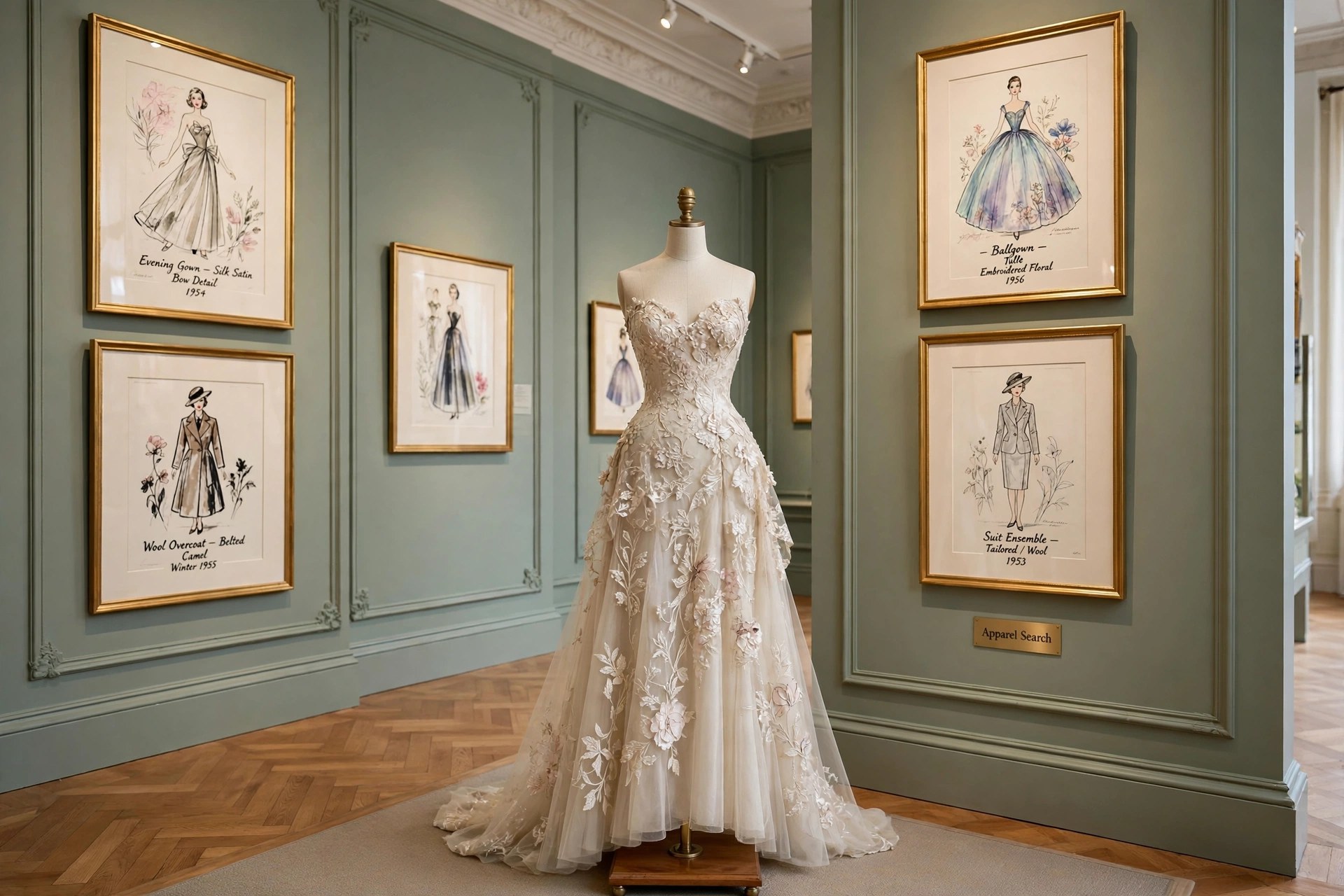
Fashion is also a subject for art in the conventional media. Fashion illustration — the drawing and painting that communicates designs and sells them in magazines and advertising — has a history as a respected graphic art, covered in the artist guide linked below. Fashion art prints are a retail category of their own: magazine covers and editorial photographs from archives such as the Condé Nast collection are sold as wall art, home decor, phone cases and tote bags, and print marketplaces carry large fashion-art ranges.
The border runs both ways. Printing t-shirts and textile printing can most certainly be an art form when the garment is the canvas, and fashion film — between art, fashion and cinema — treats the moving image the same way. Universities reflect the overlap by teaching fashion and art under the same roof, with illustration and rendering courses, including online lessons from the University of Fashion, training designers to communicate ideas on paper. Whether fashion is clothing or art, the honest answer for the top of the field is: both.
Photos


Common Questions
Is fashion considered art?
Museums increasingly treat it that way. Major exhibitions such as the Met's Heavenly Bodies (2018) and designer retrospectives like Jean Paul Gaultier at the Brooklyn Museum present fashion with the staging and scholarship of other visual arts.
What is fashion art?
Both fashion presented as art — couture in museum exhibitions — and art whose subject is fashion: illustration, editorial photography, magazine-cover prints and fashion film.
Where can I learn fashion art skills?
Fashion illustration and rendering are taught at fashion schools and online; the University of Fashion's video lessons in drawing and illustration are one route, and the artist guide linked from this page lists fashion artists and resources.