Blueprint Fashion Trade Show in Singapore
Asia's East-West fashion trade gateway, 2010–2015 — a pillar event of Asia Fashion Exchange and the sister event of Singapore Fashion Week
BLUEPRINT is no longer held. Its last edition ran May 14–15, 2015 — its sixth — held under Singapore Fashion Week. BLUEPRINT began in 2010 as a pillar of Asia Fashion Exchange. This profile records the show as it was.
BLUEPRINT in Singapore was the fashion trade gateway for East-West exchange in Asia: a trade event built to put Asia's designers in front of the world's buyers, and the world's brands in front of Asia. It was a key pillar trade event of Asia Fashion Exchange and the sister event of Singapore Fashion Week — the trade half of the city-state's fashion calendar, where the business of buying and selling collections happened alongside the runway attention of fashion week.
The show was held in May and specialised in launching Pre-Spring collections. This profile records who organized it, what it showed, who attended, and its consumer-facing second act, EMPORIUM.
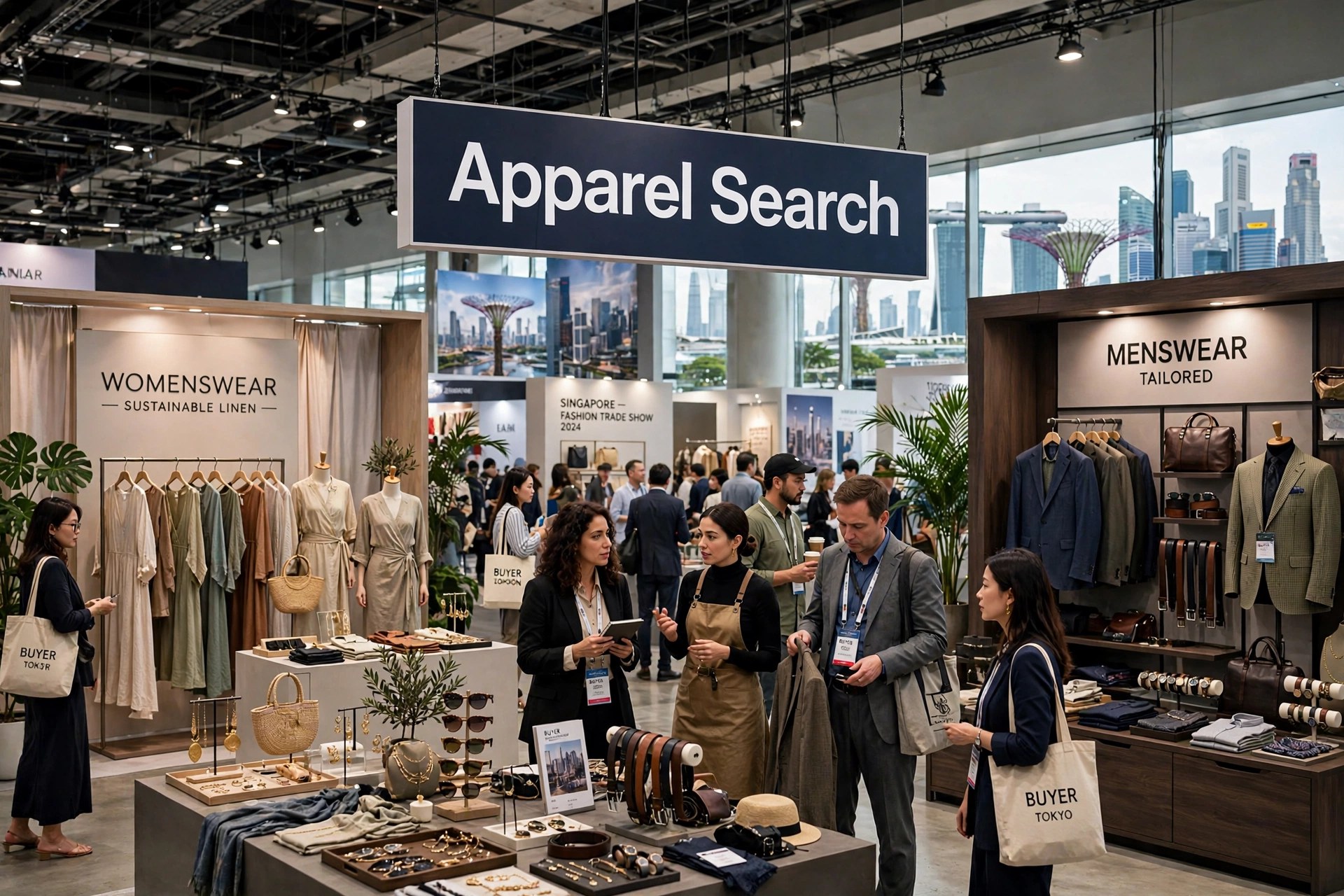
More Country Trade Show Guides
The Organizers
Blueprint Group Pte Ltd was set up in 2011 as a joint venture by three co-organisers: the Textile and Fashion Federation of Singapore (TaFf), the national body for Singapore's textile and fashion industry; MP Asia; and Mercury Marketing & Communications. The structure pairs the industry federation's designer and manufacturer base with professional exhibition and communications partners.
The show built its position on a rising exhibitor attendance, a high-profile buyer database and in-house expertise, presented as a 360-degree experimental tradeshow platform — a format that surrounded the order-writing floor with the programming, presentation and matchmaking a young designer brand needed to convert buyer interest into stockists.
What the Show Presents
BLUEPRINT specialised in launching Pre-Spring collections, and it represented fresh-and-forward womenswear, menswear and accessories from Asia's best emerging and established talents. Its second job ran the other direction: guiding international brands looking to enter Asian markets, using Singapore as the showroom where a Western label could meet the region's retailers in one trip.
The attendance was genuinely two-way. The event hosted designers and buyers from Singapore, Thailand, Malaysia, Indonesia, the Philippines, China, Taiwan, Hong Kong, Korea, Japan, Australia, the United Kingdom, France and America — Asian labels selling westward and international labels selling into Asia, meeting on the same floor. For an emerging Asian designer, that buyer list is the point of the show: department stores, boutiques and e-commerce buyers from fourteen markets walking one curated floor.
EMPORIUM: The Consumer Side of the Show
Apart from its foundation as a tradeshow, the other core facet of BLUEPRINT was EMPORIUM, a two-day offshoot of the tradeshow that allowed consumers to take part in the gathering of designers, with a large shopping and lifestyle event. At EMPORIUM, consumers could pick up samples, limited-edition items and off-season collections — many of which were never before stocked in Asia.
The pairing was unusual and deliberate: the trade days let designers write wholesale orders with professional buyers, and EMPORIUM then opened the same designer gathering to the public, giving labels direct retail exposure and shoppers access to pieces that would otherwise never reach a Singapore store rack.
Common Questions
What is BLUEPRINT in Singapore?
BLUEPRINT was a fashion trade show in Singapore — the fashion trade gateway for East-West exchange in Asia. It was a key pillar trade event of Asia Fashion Exchange and the sister event of Singapore Fashion Week, organized by Blueprint Group Pte Ltd, a 2011 joint venture of the Textile and Fashion Federation of Singapore (TaFf), MP Asia and Mercury Marketing & Communications.
When is BLUEPRINT held and what does it show?
The tradeshow was held in May and specialised in launching Pre-Spring collections. It represented fresh-and-forward womenswear, menswear and accessories from Asia's emerging and established talents, and guided international brands entering Asian markets.
What is EMPORIUM at BLUEPRINT?
EMPORIUM was BLUEPRINT's two-day consumer offshoot: a shopping and lifestyle event where the public could buy samples, limited-edition items and off-season collections from the show's designers, including pieces never before stocked in Asia.
References & Further Reading
- BLUEPRINT — blueprint.sg (the show's former website)