Apparel Search Consumer Guides
Fashion & Style for Women Over 50
Fit, fabric and proportion — dressing well after 50 is an edit, not a reinvention.
Something does change about getting dressed after 50 — but it is not what the fashion rules of previous decades claimed. It is not about covering up, toning down or dressing for anyone's approval. What changes is the equation: fit matters more than novelty, fabric quality shows more than logos, and proportion does more work than any single statement piece. A wardrobe built over decades deserves editing rather than replacing, and most women find their personal style gets clearer, not quieter, in this stage of life.
This guide gathers the Apparel Search pages written for women over 50 into one place: the essentials worth owning well, the comfort features that never require sacrificing polish, dressing for evenings and celebrations, and a separate guide for the sixties, which has its own distinct character. Throughout, the garment-by-garment detail lives in our women's clothes guide — hundreds of guides to individual items of clothing — while the pages below cover how to choose and combine them now.
Search Apparel Search
The Guides in This Section
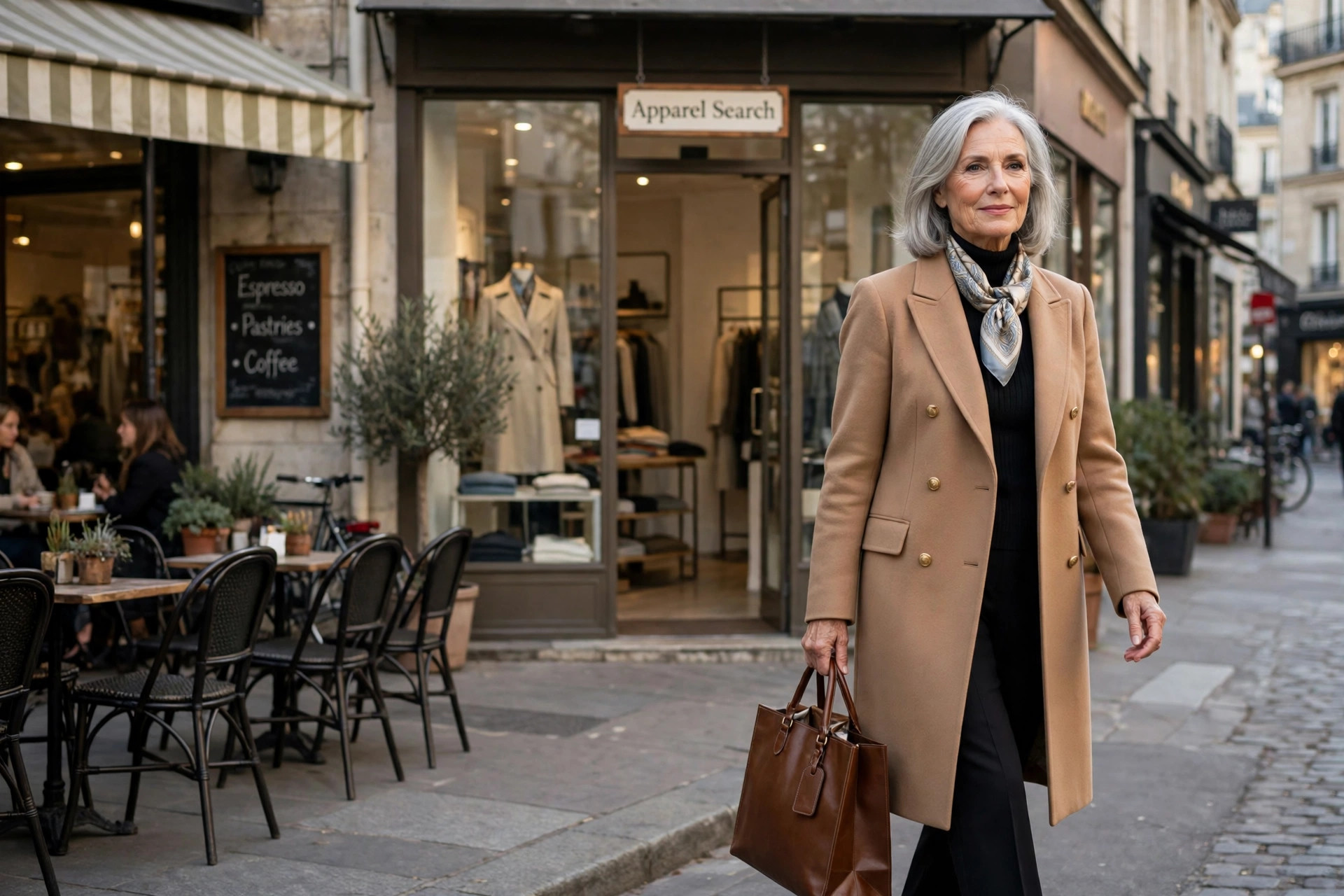 Style Over 60Polish over novelty: the considered wardrobe of the sixties — signature pieces, soft structure, color confidence and shoes that keep up.
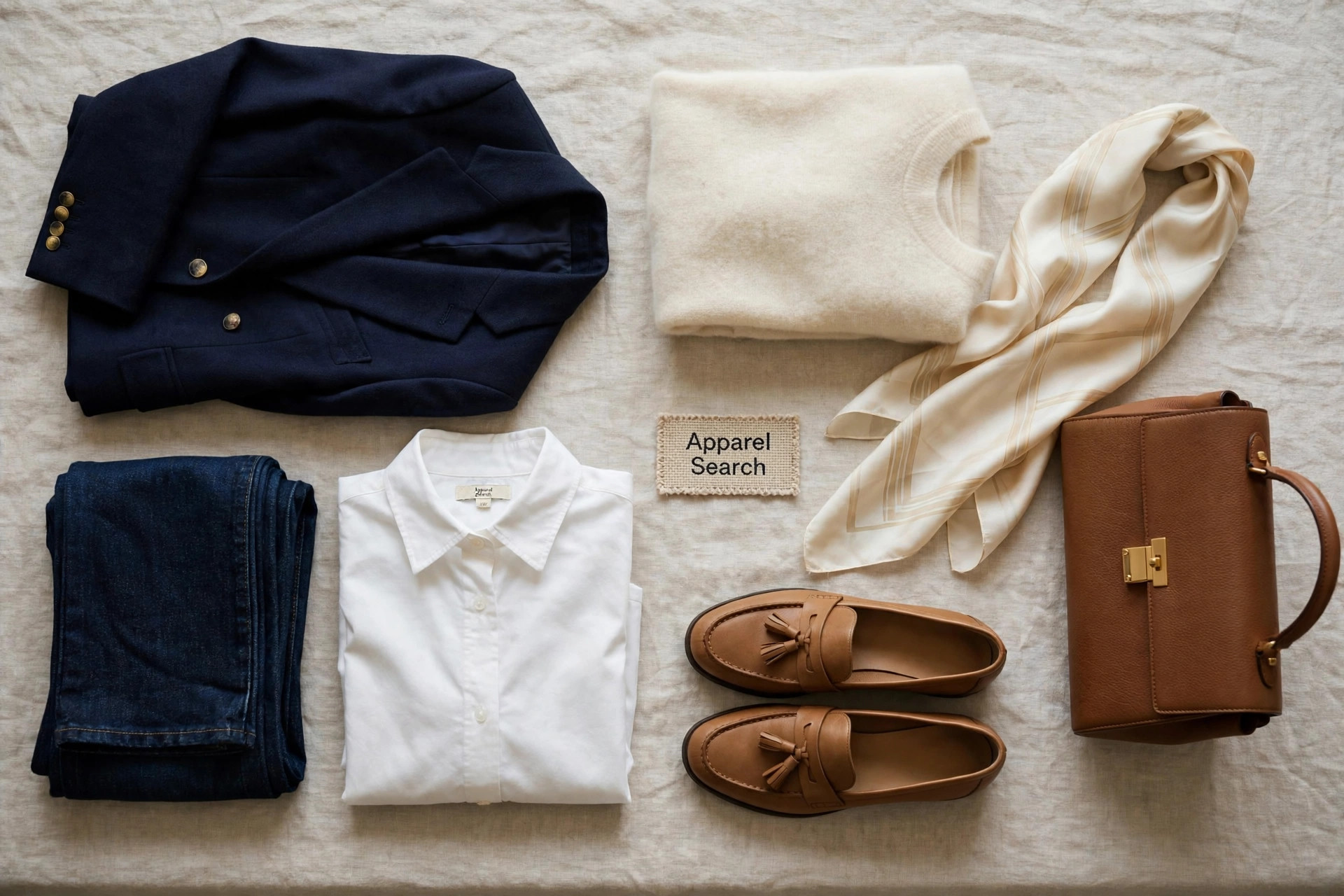 Wardrobe Essentials Over 50The ageless staples worth owning well: a tailored blazer, dark denim, a white shirt, cashmere, loafers — and the cost-per-wear case for buying them properly.
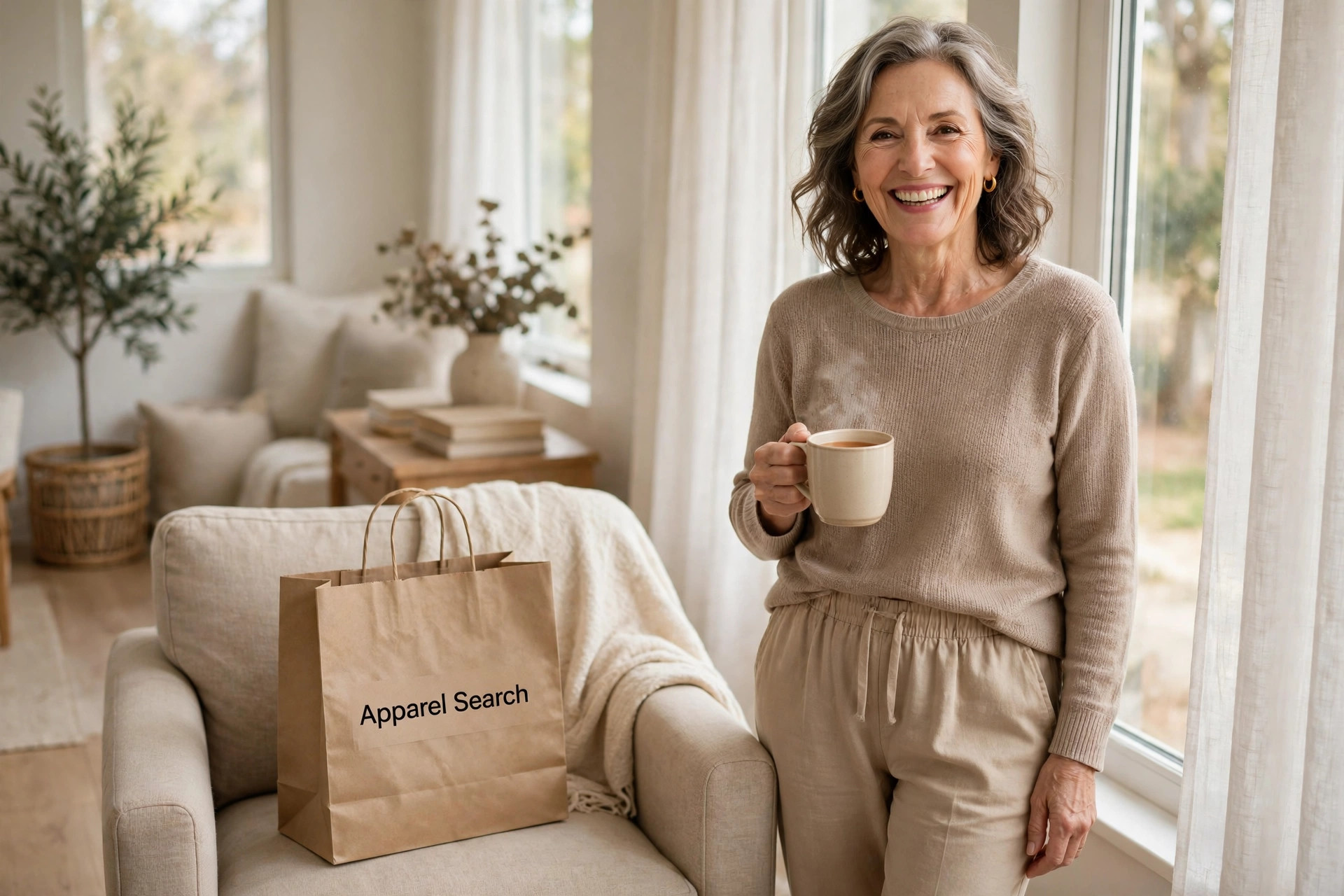 Comfortable, Stylish ClothingComfort without frump: breathable fabrics, easy closures, waistbands that work all day, supportive stylish shoes and layering that adapts.
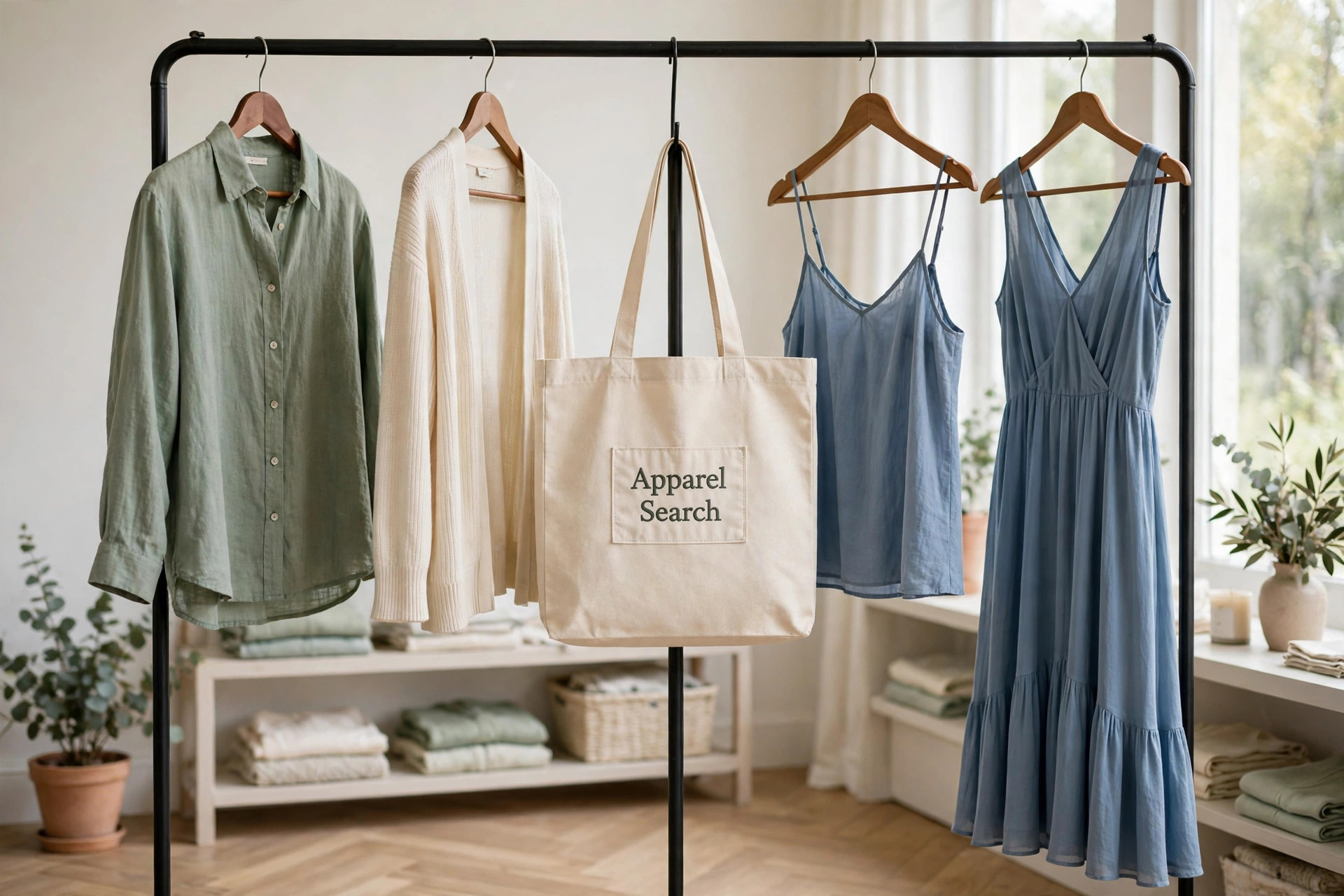 Dressing for MenopauseFabric-first dressing for hot flashes and temperature swings: the on-off layer system, breathable fabrics, open necklines, and sleepwear that adjusts through the night.
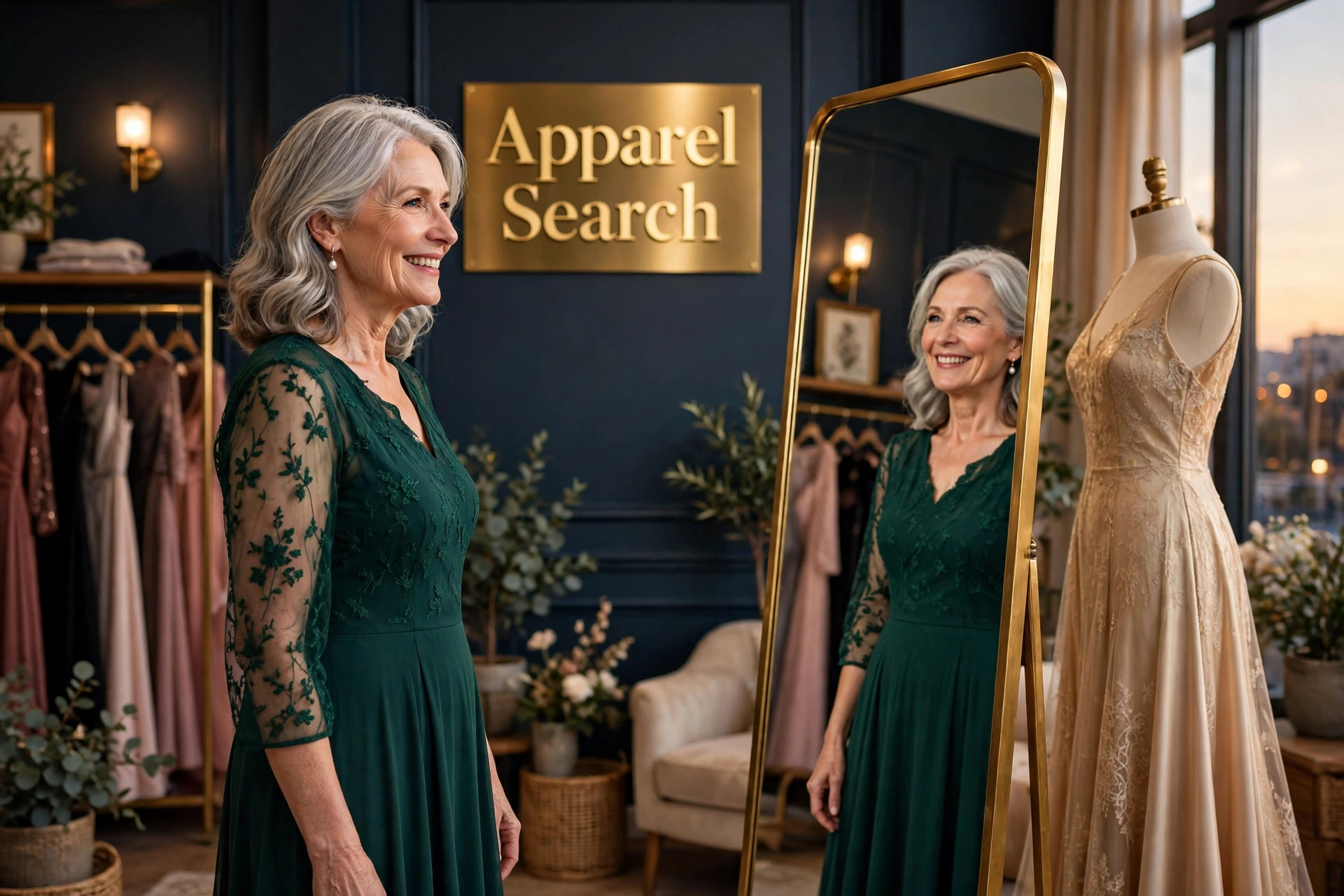 Special Occasion DressingDinners, parties, theater and family celebrations: sleeve options, elegant lengths, dressy separates and finishing touches that last the whole evening.
What Actually Changes: Fit, Fabric, Proportion
Fit becomes the whole game. Bodies change shape gradually, and clothes cut for a different decade of life stop working even when the size on the label stays the same. Waistbands sit differently, shoulders and posture shift, and a garment that skims is more elegant than one that clings or swims. The single most effective wardrobe investment after 50 is not a new piece — it is a good tailor adjusting the pieces you already own.
Fabric quality reads louder. Natural fibers and well-made blends — wool, cashmere, silk, linen, good cotton — hold their shape, take color richly and look composed all day. Flimsy fabric that was forgivable in a trend piece at 30 looks merely tired now, because the clothes themselves are being looked at more closely than the trend of the week.
Proportion replaces decoration. A longer line, a defined waist where you want one, a hem that lands at a strong point of the leg, sleeves that end at a graceful point of the arm — these quiet decisions are what make an outfit look intentional. None of them are rules about age. All of them are learnable, and the guides in this section take them one at a time.
Go Deeper in the Women's Clothes Guide
Buy Fewer, Better
The economics of a wardrobe change after 50 too. A well-made coat, blazer or pair of boots bought now can be worn for a decade or more, which makes the honest measure of value the cost per wear rather than the price tag: the expensive staple worn two hundred times is cheaper than the bargain worn twice. This is the stage of life to buy the best version of the things you actually wear — and to let the rest go without regret.
The Edit, Not the Overhaul
Start with what you own. Try on the staples, note what fits beautifully and what merely survives, and take the near-misses to a tailor before replacing anything. Most wardrobes at this stage need twenty percent editing and one or two considered additions — not a reinvention.
Common Questions
What changes about dressing after 50?
Fit, fabric and proportion start doing the work that novelty used to do. Bodies change shape gradually, so tailoring and honest fit matter more; quality natural fibers look composed all day; and clean proportions — a defined waist, a hem at a strong point — make an outfit look intentional. It is an edit of a wardrobe, not a set of restrictions.
Are there things women over 50 should not wear?
No list of forbidden items has ever improved anyone's wardrobe. Jeans, sleeveless tops, bright color and short skirts are all questions of fit, fabric and personal confidence, not of birthdays. The useful questions are whether a piece fits well, feels good at the end of the day, and suits the life you actually live.
Where should I start if my wardrobe feels stuck?
With the staples. Try on your blazer, jeans, knitwear and shoes with fresh eyes, take near-miss pieces to a tailor, and replace only what cannot be fixed. Our wardrobe essentials guide lists the pieces worth owning well, in the order most women use them.
Is it worth spending more on clothes after 50?
For the pieces you wear constantly, usually yes. A quality coat or blazer worn for ten years costs pennies per wearing, while cheap versions of the same staples are replaced again and again. Spend on staples and fit; save on the occasional trend piece, if you want it at all.
Sixty Is Its Own Country
The sixties are not the fifties repeated. Dressing at 60-plus has its own pleasures — a surer eye, a wardrobe of proven pieces, and complete freedom from other people's expectations. Our style over 60 guide is written for that stage specifically: polish, signature pieces and comfort with structure.