Emilio Pucci Women's Fashion Brand
Don Emilio Pucci, Marchese di Barsento, was a Florentine Italian fashion designer and politician - and he and his eponymous company are synonymous with geometric prints in a kaleidoscope of colours. Setting up his atelier in the Pucci family's grand palazzo in the heart of Florence, Emilio began working closely with expert fabric manufacturers in Italy to pioneer and patent revolutionary stretch fabrics that eschewed the heavy, rigid fabrications largely in circulation at that time. A palazzo atelier and a fabric patent: aristocratic address, industrial imagination.
Shop Women's Emilio Pucci Now
Shop Women's Emilio Pucci on Amazon Shop Women's Emilio Pucci on eBayThe Amazon and eBay links on this page are affiliate links. If you make a purchase through them, Apparel Search may earn a commission.
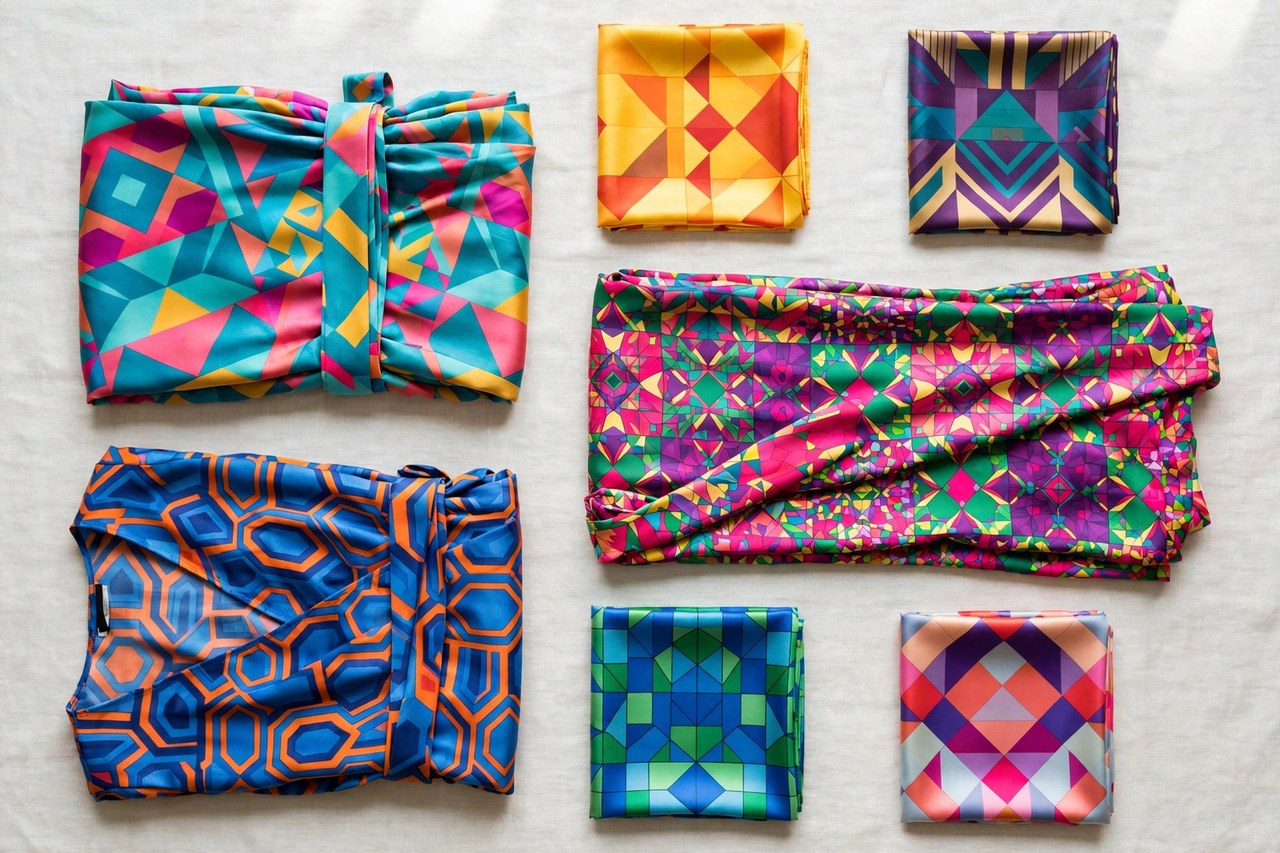
Don Emilio Pucci, Marchese di Barsento, was a Florentine Italian fashion designer and politician - and he and his eponymous company are synonymous with geometric prints in a kaleidoscope of colours. Setting up his atelier in the Pucci family's grand palazzo in the heart of Florence, Emilio began working closely with expert fabric manufacturers in Italy to pioneer and patent revolutionary stretch fabrics that eschewed the heavy, rigid fabrications largely in circulation at that time. A palazzo atelier and a fabric patent: aristocratic address, industrial imagination.
Contrary to his design contemporaries, Pucci was driven by the desire to liberate women, granting them unprecedented freedom of movement. His stretch silk and cotton jerseys were weightless, unlined and wrinkle-proof - precursors for a modern, travel-friendly wardrobe that captivated a new generation of modern, active women. Read that list again and it describes the modern holiday wardrobe entire: clothing that packs flat, shakes out unwrinkled, and moves with the body because the fabric itself stretches. Pucci's revolution was comfort, engineered in silk.
The Prince of Prints
It was during the 1950s that Pucci began developing his signature prints: graphic, abstract designs inspired by the world around him - Sicilian mosaics, heraldic banners, Bali batiks and African motifs. It was the first time such pulsing geometric patterns had been incorporated into clothing, and the effect was highly original - so much so that the international fashion press, smitten by his bold, radical approach, crowned him 'The Prince of Prints'. Each print was like a work of art born upon a silk canvas, framed with a decorative border and signed in the artist's name - 'Emilio'. He brought a luscious, bright colour palette to his craft.
The signed print is the detail a shopper should hold onto: Pucci prints were conceived as artworks with borders, placed on silk like a canvas, not as all-over patterns cut anywhere. That is why a true Pucci piece reads as a composed picture - the border frames, the geometry pulses inside it, the signature sits in the design - and why placement on the garment matters so much in judging one. A print that ignores its own border at every seam is using the idea; a print placed with its framing intact is the idea itself.
Buying Printed Silk Well
Judge a Pucci piece print-first and fabric-second, in that order because the house did. The colours should be luscious and clean-edged, the geometry precise at the border, the signature present in the artwork. Then the fabric test that founded the house: silk or cotton jersey with real stretch and recovery, weightless in the hand, unlined as the house's formula intends. A dress should move when you move and return when you stop - freedom of movement was the design brief, not a side effect.
Care protects both revolutions at once: silk prints washed gently or cleaned as labelled, stored away from light that fades bright palettes, and packed the way the clothes were designed to travel - rolled, not folded hard. From a Florentine palazzo to the travel wardrobes of a new generation of active women, Emilio Pucci's legacy is printed silk that behaves like sportswear: kaleidoscope geometry, signed like art, engineered to liberate. The Prince of Prints earned the crown in the fabric as much as on it.
Common Questions
Why is Emilio Pucci called the Prince of Prints?
The international fashion press crowned him that for his signature 1950s prints - graphic, abstract designs inspired by Sicilian mosaics, heraldic banners, Bali batiks and African motifs, in a kaleidoscope of colours.
What fabric revolution did Pucci pioneer?
Revolutionary patented stretch fabrics - his stretch silk and cotton jerseys were weightless, unlined and wrinkle-proof, precursors of a modern travel-friendly wardrobe.
How were Pucci prints signed?
Each print was like a work of art on a silk canvas, framed with a decorative border and signed in the artist's name - 'Emilio'.
More in Women's Fashion Brands E
The E letter hub and related E brands:
Photos


More to Explore on Apparel Search
References & Further Reading
Looking for Women's Clothing Stores?
This profile helps you research the Emilio Pucci women's fashion brand. To browse where to buy, visit our women's clothing store directory, where you can find retailers that carry women's clothing.