Children's Back to School Apparel Guide
Back to school apparel is the whole wardrobe bought as one system: the tops, bottoms, layers, underwear, socks and shoes that carry a child through the first term. Where the clothes guide in this family works outfit by outfit, the apparel view is the inventory view - categories and counts first, individual garments second - and it is the view that prevents the classic failure of the season: plenty of tops, nothing to wear them with, and shoes forgotten until the last weekend.
Shop Children's Back to School Apparel Now
Shop Children's Back to School Apparel on Amazon Shop Children's Back to School Apparel on eBayThe Amazon and eBay links on this page are affiliate links. If you make a purchase through them, Apparel Search may earn a commission.
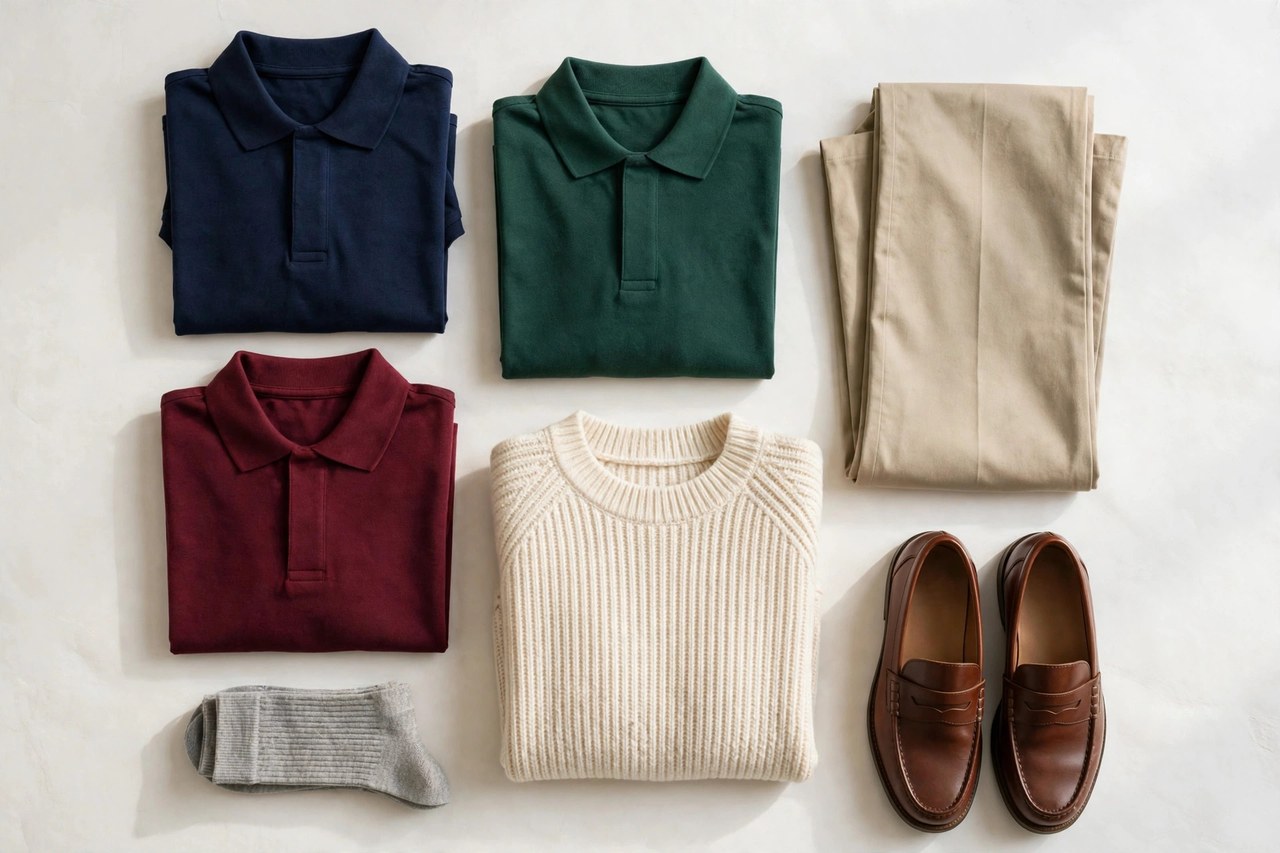
Back to school apparel is the whole wardrobe bought as one system: the tops, bottoms, layers, underwear, socks and shoes that carry a child through the first term. Where the clothes guide in this family works outfit by outfit, the apparel view is the inventory view - categories and counts first, individual garments second - and it is the view that prevents the classic failure of the season: plenty of tops, nothing to wear them with, and shoes forgotten until the last weekend. This guide walks through the choices that matter - style, fit, fabric and finish - with the practical detail a product listing rarely gives, and closes with the care habits that keep the garment in service.
Styles and Construction
Build the inventory in layers. The base is underwear and socks bought in quantity - they are lost, worn daily and never worth rationing. The middle is the rotation itself: bottoms in the code's colors, tops that all match all bottoms, and one knit layer for classrooms that run cold. The outside is weather: a waterproof layer, the school coat when winter comes, and the sports kit the timetable demands. Count what the audit says survives from last year against each layer, and the shopping list writes itself by subtraction.
School clothing is a system, not a pile: a small set of bottoms that all match a slightly larger set of tops, in colors that hide playground evidence and survive weekly washing. Dress codes, uniform or free dress, set the boundaries before taste gets a vote. Buy for the second month of school, not the first-week photograph - children settle, grow and lose things, and a wardrobe with a spare of every daily essential absorbs all three without emergency shopping.
Fit and Sizing
Quality money goes where wear concentrates: shoes, the daily bottoms, and the coat. Variety money - a second color, a patterned top - waits until the inventory is complete, because an incomplete system in more colors is still incomplete. The original apparel guide linked the season's sales coverage and the blog's back-to-school trend reporting for exactly this reason: the apparel plan is fixed early, and everything topical is layered onto it afterward.
Fit school clothes in a single session with the school shoes on, working from the size chart against fresh measurements rather than last year's size. Children commonly jump a full size over the summer. Test sitting at a desk posture, reaching up, and bending to tie shoes; uniform pieces should allow all three without pulling. Buy the current fit with the adjustable features - waist adjusters, let-down hems, stretch collars - doing the growing, rather than buying a size up that fits nowhere yet.
Wearing and Care
Finish the apparel shop with the unglamorous steps that make it work: wash and label everything, hang the rotation where the child dresses, and keep the receipts through the first month - sizes get exchanged, codes get clarified, and the family that kept the paperwork treats both as errands rather than losses. Then stop: a first-term wardrobe is a finished system, and the next purchase belongs to the mid-season check.
School wardrobes survive on a weekly rhythm: a wash rotation that returns every essential clean before Monday, name labels in every piece that leaves the house, and a Friday check for rips, missing buttons and outgrown cuffs while there is still a weekend to fix them. Keep one clean spare set aside for photograph days and spills. Shoes and coats get the same treatment monthly, so replacements are planned purchases rather than Sunday-night emergencies.
Common Questions
What is the difference between back to school apparel and clothes?
Apparel is the whole wardrobe viewed as an inventory - every category and count a term requires - while clothes, in this family's usage, works at the level of the daily outfit rotation. Plan apparel first so the system is complete, then refine with the clothes guide so the combinations actually get worn. The two guides are designed to be read in that order.
How much should a back-to-school apparel wardrobe cost?
It varies too much by dress code and climate for a single number, but the structure is stable: shoes and the coat take the largest shares, uniform staples the next, and base layers the least per piece while mattering most in count. The apparel method controls the total by auditing first and buying by subtraction - most families already own a third of the list.
What apparel do parents most often forget?
Socks and underwear in sufficient quantity, the sports kit, a mid-layer for cold classrooms, and a spare of the single most-worn item. All five live below the visible wardrobe, which is why the inventory view exists: writing the layers down, base to outside, is what brings the forgotten categories onto the list before the shops.
More in Children's Clothes Guide B
The B letter hub and the guides closest to this one:
Looking for Children's Clothing Stores?
This guide helps you choose children's back to school apparel. To browse where to buy, visit our children's clothing store directory, where you can find retailers that carry them.