Children's Back to School Fashion Guide
Back to school fashion is the trend layer of the season: the colors, graphics, denim treatments and shoe styles that make this year's wardrobe feel like this year's. The original fashion guide gave trends a significant role in the back-to-school process - children read fashion as social information, and the first weeks are when the year's signals are set. This guide's job is proportion: how to give fashion its real place without letting it plan the wardrobe.
Shop Children's Back to School Fashion Now
Shop Children's Back to School Fashion on Amazon Shop Children's Back to School Fashion on eBayThe Amazon and eBay links on this page are affiliate links. If you make a purchase through them, Apparel Search may earn a commission.
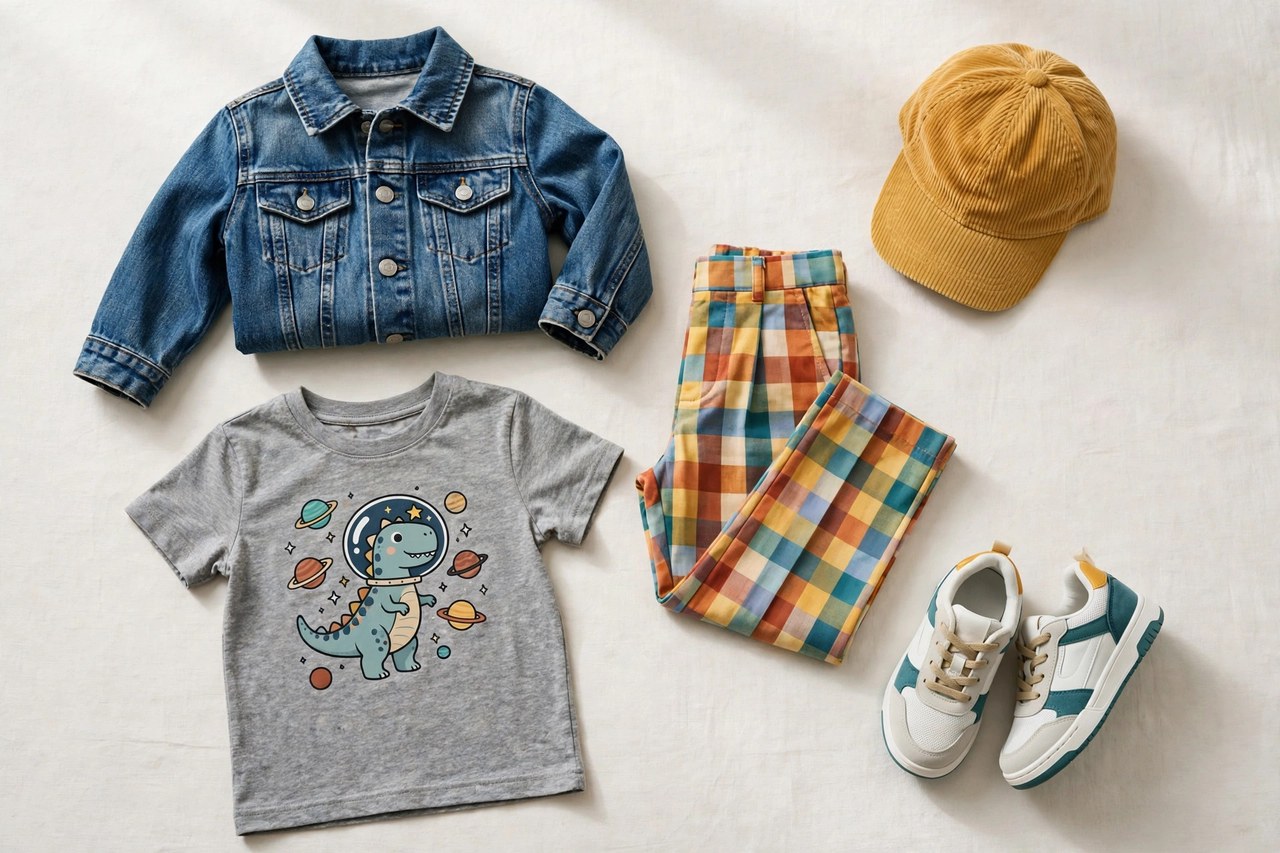
Back to school fashion is the trend layer of the season: the colors, graphics, denim treatments and shoe styles that make this year's wardrobe feel like this year's. The original fashion guide gave trends a significant role in the back-to-school process - children read fashion as social information, and the first weeks are when the year's signals are set. This guide's job is proportion: how to give fashion its real place without letting it plan the wardrobe. This guide covers the styles worth knowing, the fit points that decide comfort, the fabrics and construction that separate a good buy from a regret, and the simple care that makes the garment last.
Styles and Construction
Trends sort into three speeds. Slow trends - the cut of jeans, the rise of a trainer style, a palette that lasts several years - are safe to buy as staples. Seasonal trends - one color, one graphic family, one accessory - belong in the one or two accent pieces the rotation can absorb. Fast trends, the ones arriving via a single viral week, are best honored cheaply or not at all: by October they are last term's news worn daily. A wardrobe built on slow trends with seasonal accents looks current every year without being rebuilt every year.
School clothing is a system, not a pile: a small set of bottoms that all match a slightly larger set of tops, in colors that hide playground evidence and survive weekly washing. Dress codes, uniform or free dress, set the boundaries before taste gets a vote. Buy for the second month of school, not the first-week photograph - children settle, grow and lose things, and a wardrobe with a spare of every daily essential absorbs all three without emergency shopping.
Fit and Sizing
The child's eye is data, not noise: what they reach for in the shop predicts what leaves the drawer in November. Involve them in the fashion choices specifically - this is the guide in the family where their vote weighs most - while the fit, code and durability decisions stay with the adult. A fashion piece the child chose and loves will be worn to destruction, which is the best value in the whole season's shopping.
Fit school clothes in a single session with the school shoes on, working from the size chart against fresh measurements rather than last year's size. Children commonly jump a full size over the summer. Test sitting at a desk posture, reaching up, and bending to tie shoes; uniform pieces should allow all three without pulling. Buy the current fit with the adjustable features - waist adjusters, let-down hems, stretch collars - doing the growing, rather than buying a size up that fits nowhere yet.
Wearing and Care
Close the fashion question with the photograph test: on the first morning, the outfit should look like the child on a good day, not like a catalogue. Keep the receipts on trend pieces into September - preferences genuinely do flip when the year group assembles - and let the sales guide handle the rest: last season's trend at this season's sale price is the fashion buyer's oldest and best trick.
School wardrobes survive on a weekly rhythm: a wash rotation that returns every essential clean before Monday, name labels in every piece that leaves the house, and a Friday check for rips, missing buttons and outgrown cuffs while there is still a weekend to fix them. Keep one clean spare set aside for photograph days and spills. Shoes and coats get the same treatment monthly, so replacements are planned purchases rather than Sunday-night emergencies.
Common Questions
How much of a school wardrobe should follow fashion trends?
A small, deliberate share: one or two accent pieces in the rotation, plus accessories, which carry trends cheapest. The wardrobe's core - shoes, bottoms, layers - should follow slow, multi-year trends at most. This proportion keeps a child feeling current in September and still dressed in valid clothes in June, when the fast trend has moved on and the accent can simply retire.
Where do back-to-school fashion trends come from?
From the same places as adult fashion, filtered down: media, older siblings, sport and music, and the year group itself, which ratifies some trends and ignores others within the first fortnight. The practical consequence is timing - buy the fashion layer late, after the signals have settled, rather than guessing in July which of the summer's candidates the school year will adopt.
Can fashion and a school dress code coexist?
Yes - codes regulate categories and colors, and fashion works inside them through fit, fabric, layering and accessories. Where a code allows any choice at all, that choice becomes the fashion surface: the shoe, the jacket over the uniform, the bag and cap off the premises. Children in uniform schools become expert at exactly this margin, and the guides in this family treat the code as the frame, not the enemy.
More in Children's Clothes Guide B
The B letter hub and the guides closest to this one:
Looking for Children's Clothing Stores?
This guide helps you choose children's back to school fashion. To browse where to buy, visit our children's clothing store directory, where you can find retailers that carry them.