Children's Back to School Sales Guide
Back to school clothing sales are the season's second discipline: the same list, bought at the year's best prices by families who know when each category is discounted. Parents find the season's offers both online and in store, and one premise survives every change in retail: the sales are predictable, the calendar repeats, and the family with the list ready when a window opens is the family that saves.
Shop Children's Back to School Sales Now
Shop Children's Back to School Sales on Amazon Shop Children's Back to School Sales on eBayThe Amazon and eBay links on this page are affiliate links. If you make a purchase through them, Apparel Search may earn a commission.
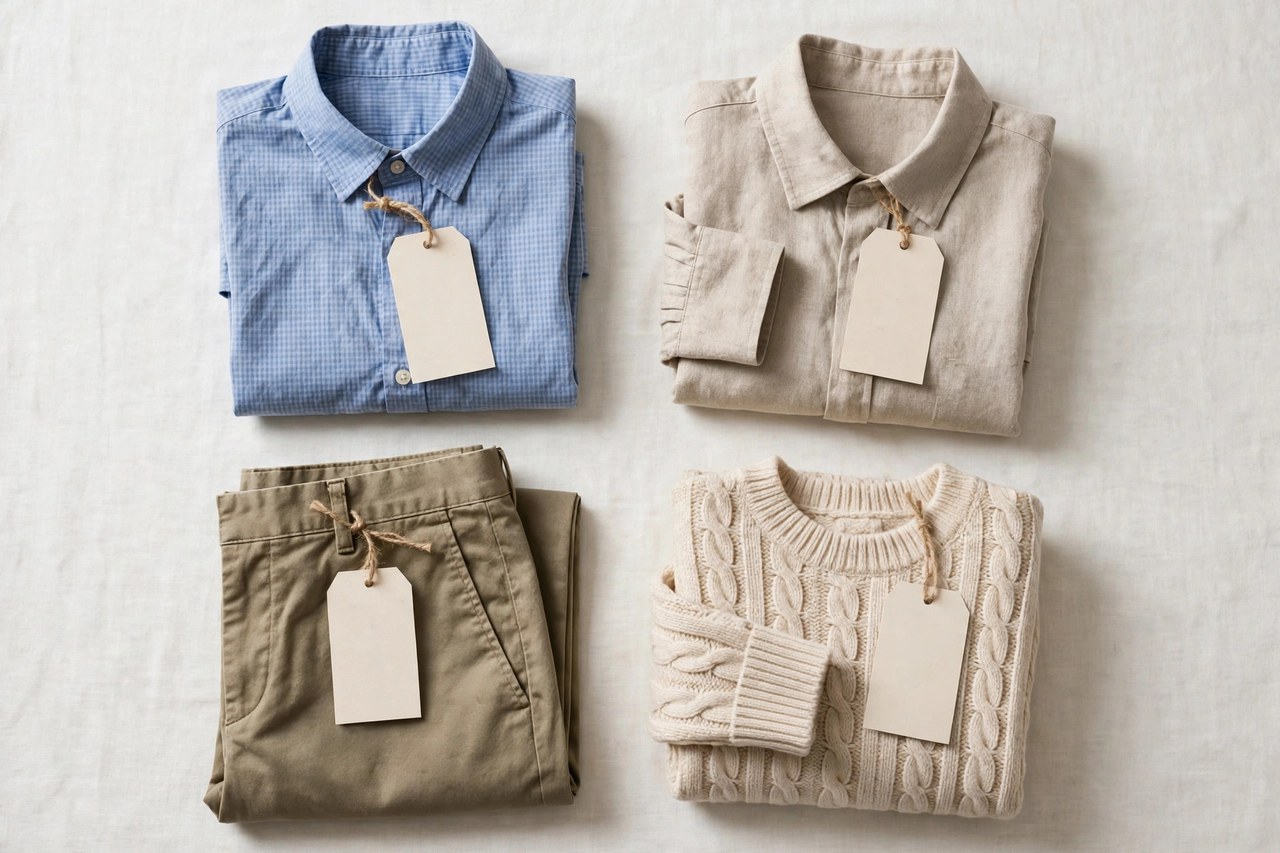
Back to school clothing sales are the season's second discipline: the same list, bought at the year's best prices by families who know when each category is discounted. Parents find the season's offers both online and in store, and one premise survives every change in retail: the sales are predictable, the calendar repeats, and the family with the list ready when a window opens is the family that saves. This guide walks through the choices that matter - style, fit, fabric and finish - with the practical detail a product listing rarely gives, and closes with the care habits that keep the garment in service.
Styles and Construction
The calendar runs in waves. Early summer brings clearance of last year's stock - the moment for next-size staples in classic styles at the year's lowest prices. Mid-summer is the main event, when retailers compete for the season and tax-free weekends in many states stack on top. Late August and September reverse the flow: remaining stock is marked down hard, which is the trend buyer's window and the top-up shopper's reward. Knowing which wave suits which part of the list is the whole strategy - staples early and classic, fashion late and discounted.
School clothing is a system, not a pile: a small set of bottoms that all match a slightly larger set of tops, in colors that hide playground evidence and survive weekly washing. Dress codes, uniform or free dress, set the boundaries before taste gets a vote. Buy for the second month of school, not the first-week photograph - children settle, grow and lose things, and a wardrobe with a spare of every daily essential absorbs all three without emergency shopping.
Fit and Sizing
Information is the input: retailer mailing lists joined in spring, the school's own communications about uniform suppliers' discount weeks, and the price history of the two or three expensive items - shoes and the coat - tracked across the summer. Use both online and offline sources and the eBay season category; price-tracking tools help too, but the habit is what matters: decide the list first, then let the sales come to the list, never the reverse.
Fit school clothes in a single session with the school shoes on, working from the size chart against fresh measurements rather than last year's size. Children commonly jump a full size over the summer. Test sitting at a desk posture, reaching up, and bending to tie shoes; uniform pieces should allow all three without pulling. Buy the current fit with the adjustable features - waist adjusters, let-down hems, stretch collars - doing the growing, rather than buying a size up that fits nowhere yet.
Wearing and Care
Judge every sale by the cost of the mistake: a discounted staple in the next size is nearly free of risk, a discounted fashion piece in the current size is a small bet, and a discounted final-sale shoe that cannot be fitted is no bargain at any percentage. Keep receipts, favor returnable offers for anything size-critical, and record what the season actually cost against the list - that record is next year's budget and the proof the strategy compounds.
School wardrobes survive on a weekly rhythm: a wash rotation that returns every essential clean before Monday, name labels in every piece that leaves the house, and a Friday check for rips, missing buttons and outgrown cuffs while there is still a weekend to fix them. Keep one clean spare set aside for photograph days and spills. Shoes and coats get the same treatment monthly, so replacements are planned purchases rather than Sunday-night emergencies.
Common Questions
When are the best back-to-school clothing sales?
In waves: early-summer clearance for classic staples, the mid-summer main season when retailers compete - often stacked with tax-free weekends - and late-August into September markdowns for trend pieces and top-ups. Different parts of the list belong to different waves, which is why the list is made first and the shopping is sequenced to the calendar rather than done in one trip.
How do parents find back-to-school sales?
Through retailer mailing lists and apps, school communications about uniform supplier weeks, local advertising and online deal round-ups, both in store and online. Join the lists of the retailers on your staples list in spring, before the season, and track prices on the expensive items - shoes and coats - so a genuine discount is recognizable when it appears.
Are back-to-school sale clothes lower quality?
Usually not: the season's sales discount current stock to win the year's biggest children's clothing spend, and the quality question is answered the same way as at full price - by fabric, construction and fit checks. The real sale risks are sizing gambles on final-sale terms and buying beyond the list because the discount invites it. A returnable sale staple is the safest money in the season.
More in Children's Clothes Guide B
The B letter hub and the guides closest to this one:
Looking for Children's Clothing Stores?
This guide helps you choose children's back to school sales. To browse where to buy, visit our children's clothing store directory, where you can find retailers that carry them.