Children's Back to School Guide
Back to school is the season when the children's wardrobe is rebuilt in a few weeks: outgrown summer clothes are audited, school shoes are fitted, and a working set of outfits for the first term is bought against a dress code and a budget. This index page is the overview of the five specialist guides in the family - apparel, clothes, clothing, fashion and sales - each taking one angle on the same season, from what to buy to when to buy it.
Shop Children's Back to School Now
Shop Children's Back to School on Amazon Shop Children's Back to School on eBayThe Amazon and eBay links on this page are affiliate links. If you make a purchase through them, Apparel Search may earn a commission.
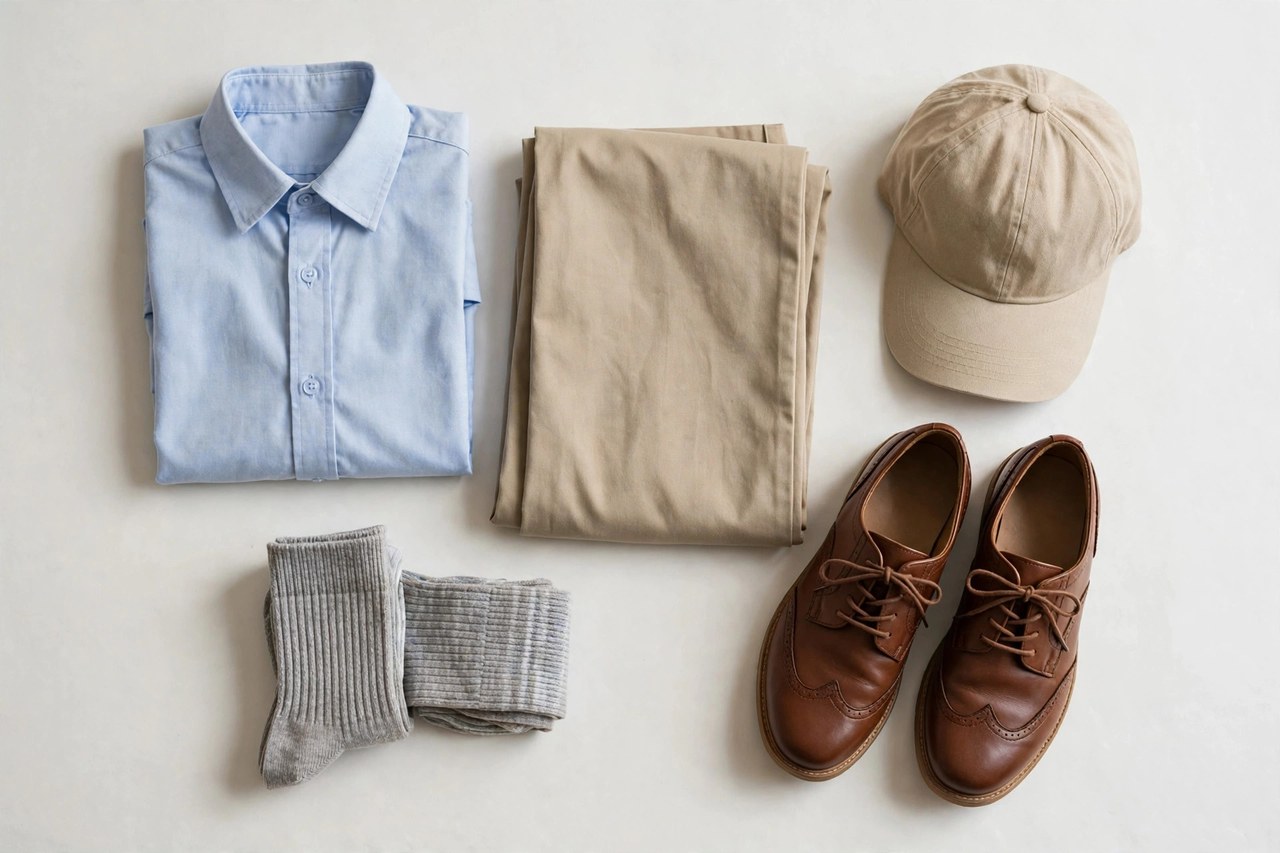
Back to school is the season when the children's wardrobe is rebuilt in a few weeks: outgrown summer clothes are audited, school shoes are fitted, and a working set of outfits for the first term is bought against a dress code and a budget. This index page is the overview of the five specialist guides in the family - apparel, clothes, clothing, fashion and sales - each taking one angle on the same season, from what to buy to when to buy it. This guide covers the styles worth knowing, the fit points that decide comfort, the fabrics and construction that separate a good buy from a regret, and the simple care that makes the garment last.
Styles and Construction
Start with the audit, not the shops: try on last spring's school clothes, measure feet, and list what genuinely fits, what is worn out and what is missing. That list, checked against the school's dress code or uniform list, is the shopping brief. The family's own sources have always framed the season this way - the original index linked the terms guide's definition of back to school clothing, the school-fashion pages and the eBay back-to-school category alongside its five sub-guides, because the season is part wardrobe, part information problem.
School clothing is a system, not a pile: a small set of bottoms that all match a slightly larger set of tops, in colors that hide playground evidence and survive weekly washing. Dress codes, uniform or free dress, set the boundaries before taste gets a vote. Buy for the second month of school, not the first-week photograph - children settle, grow and lose things, and a wardrobe with a spare of every daily essential absorbs all three without emergency shopping.
Fit and Sizing
Sequence matters more than selection: shoes first, while fitting time and sizes are plentiful; uniform staples next; and trend pieces last, in late August or even September, when what children actually want has declared itself. The five guides that follow divide the work: apparel for the whole wardrobe at once, clothes for the daily outfit rotation, clothing for the shopping process itself, fashion for trends and confidence, and sales for the calendar of when each category is cheapest.
Fit school clothes in a single session with the school shoes on, working from the size chart against fresh measurements rather than last year's size. Children commonly jump a full size over the summer. Test sitting at a desk posture, reaching up, and bending to tie shoes; uniform pieces should allow all three without pulling. Buy the current fit with the adjustable features - waist adjusters, let-down hems, stretch collars - doing the growing, rather than buying a size up that fits nowhere yet.
Wearing and Care
Keep the first week sacred: every garment washed, labeled and tried on before the first morning, shoes worn in around the house, and one complete spare outfit kept ready. The season's real product is a calm first week, and it is bought with preparation in the weeks before - which is why this family of guides exists as a set rather than a single page of tips.
School wardrobes survive on a weekly rhythm: a wash rotation that returns every essential clean before Monday, name labels in every piece that leaves the house, and a Friday check for rips, missing buttons and outgrown cuffs while there is still a weekend to fix them. Keep one clean spare set aside for photograph days and spills. Shoes and coats get the same treatment monthly, so replacements are planned purchases rather than Sunday-night emergencies.
Common Questions
When should back-to-school shopping start?
Shoes and uniform staples in mid-to-late summer, while fitters and sizes are available; everyday clothes across August; and trend-driven pieces as late as possible, even into September. Starting with a wardrobe audit and the school's dress code list turns the season from a scramble into three short, sequenced trips.
How many school outfits does a child need?
A working rotation is five bottoms-and-tops combinations aligned to a weekly wash, plus spares for the items that get lost or soaked. Uniform families need the code's full list plus one spare of each daily piece. Buy the rotation first and add variety later - depth in essentials beats breadth in outfits for the first term.
What belongs on the back-to-school clothing list?
School shoes, the uniform or dress-code staples, a week of tops and bottoms, underwear and socks in quantity, a weather layer, sports kit where required, and the labeling to keep it all coming home. This index's five guides divide the list: apparel and clothes for the garments, clothing for the process, fashion for the choices, sales for the timing.
The Back to School Guides
The B letter hub and the guides closest to this one:
This page is one part of the B section. The full letter hub lists every B topic in the Children's Clothes Guide - flat guides, the back-to-school family and the complete boys range.
Children's Clothes Guide BLooking for Children's Clothing Stores?
This guide helps you choose children's back to school. To browse where to buy, visit our children's clothing store directory, where you can find retailers that carry them.