Men's Medical Shoes Guide
Medical shoes are the lace-up half of clinical footwear - the supportive, slip-resistant, wipe-clean shoes worn by the men who walk the wards rather than stand at the table. Where our medical footwear guide covers the whole family including clogs, this page is about the shoe itself: how its upper, cushioning and outsole are built for hard floors and long miles, and how to fit a pair that still feels like equipment for your feet - in the good sense - at hour twelve.
Shop Men's Medical Shoes Now
Shop Men's Medical Shoes on Amazon Shop Men's Medical Shoes on eBayThe Amazon and eBay links on this page are affiliate links. If you make a purchase through them, Apparel Search may earn a commission.
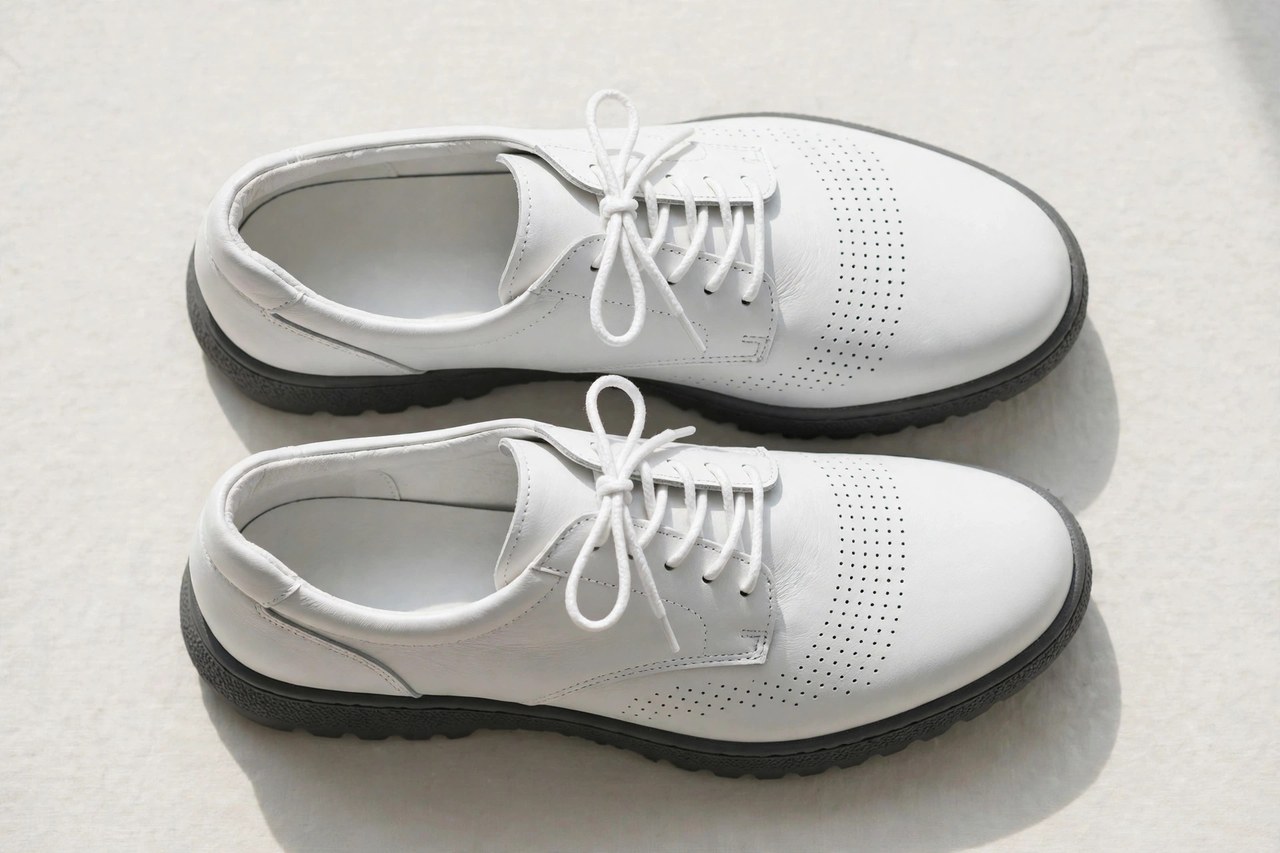
Medical shoes are the lace-up half of clinical footwear - the supportive, slip-resistant, wipe-clean shoes worn by the men who walk the wards rather than stand at the table. Where our medical footwear guide covers the whole family including clogs, this page is about the shoe itself: how its upper, cushioning and outsole are built for hard floors and long miles, and how to fit a pair that still feels like equipment for your feet - in the good sense - at hour twelve. This guide covers the styles worth knowing, the fit points that decide comfort, the fabrics and construction that separate a good buy from a regret, and the simple care that makes the garment last.
A Specification Before a Style
A medical shoe is a specification before it is a style. The upper is leather or a coated synthetic that fluids bead on rather than soak into, sewn or bonded without the mesh panels that make athletic shoes unwearable anywhere near a spill. The midsole is the endurance part: dual-density foam or a polyurethane build that absorbs corridor miles without packing flat in a season. The outsole carries the safety rating - a slip-resistant tread pattern in a rubber compound that grips wet vinyl and tile, the two surfaces that decide falls in hospitals. Inside, a removable insole lets your own supports or orthotics ride along, and a padded collar and tongue keep the laced fit from becoming a pressure map by evening. Many lines are built on wider, more anatomical lasts than fashion shoes, because the makers know whose feet they serve.
Judge footwear by attachment and compound: cemented soles are light and affordable, stitched or welted constructions cost more and can be repaired, and the outsole rubber decides grip against longevity - soft compounds bite, hard compounds endure. Linings decide comfort over hours, removable insoles decide whether your own supports can come along, and honest weight decides whether the pair disappears on the foot or taxes every mile of the day.
Fit Them as Shift Equipment
Fit them as shift equipment: late in the day, in your work socks, after walking enough that your feet are at working size. You want a thumb's width ahead of the longest toe, a heel that the laces can hold without strangling the midfoot, and a toe box deep enough that the toes lie flat and can splay - they will, under load, whether the shoe allows it gracefully or not. Walk the shop's hard floor, not its carpet, and test a quick direction change: the slip-resistant sole should feel planted, and the shoe should roll with the foot rather than folding sideways. Between sizes, take the one that needs no break-in story.
Fit footwear late in the day in the socks you will actually wear, with roughly a thumb's width beyond the longest toe, the heel held without lift, and the foot's widest point meeting the shoe's widest point. Sizes are unstandardized between makers - trust your measured length and width over the printed number, and require no break-in argument: a shoe that needs excuses in the shop delivers them on the road.
Retire by Tread and Midsole
Wipe the uppers down as often as the workplace demands - the shoe's cleanability is a feature, use it - and rotate two pairs if you can, because midsoles rebound on rest days and a rotation outlasts a single pair by far more than double-duty arithmetic suggests. Replace insoles when they flatten, laces when they fray, and the shoes themselves when the outsole tread smooths at the heel strike or the midsole stays thumb-pressed flat. A medical shoe is finished when its safety and support are, whatever the upper still looks like; retire it to dry, off-duty life and buy its successor before you need it.
Rotation is the first care rule: a day of rest between wears lets linings dry and cushioning rebound, and it doubles a rotation's life compared with daily wear of one pair. Clean after use, dry at room temperature away from radiators, hold shape with trees or paper, and condition leather on a schedule rather than when it looks thirsty. Reproof weather finishes when water stops beading, and resole stitched footwear before the wear reaches the welt.
Common Questions
What makes a shoe a medical shoe?
A specification set: a fluid-resistant, wipe-clean upper without soak-prone mesh; a cushioned midsole built for miles on hard floors; a slip-resistant outsole rated for wet tile and vinyl; a closed toe; and usually a removable insole and a roomy, anatomical last. It is less a style than a checklist, which is why medical shoes from different brands resemble each other far more than fashion shoes do.
Are medical shoes better than clogs for ward work?
For walking-heavy roles, usually yes: laces adjust the fit across a swelling day, the heel is held for corridor miles and stairs, and the shoe stays on in a hurry. Clogs win where the work is standing and procedural - easy on and off, roomy, and simpler to clean. Many clinicians keep both and choose by assignment; our medical footwear guide compares the family as a whole.
How do I know when medical shoes are worn out?
By the working parts. The outsole tread smooths first at the heel and ball - once the slip-resistant pattern is gone there, the shoe's safety is gone. The midsole tells the other half: press your thumb in; foam that stays dented instead of rebounding has stopped cushioning. Either sign, on hard floors with daily wear, typically arrives between six and twelve months.
More in Men's Clothes Guide M
Shoes Beside Footwear
This page works as a pair with the medical footwear page beside it — each points to the other and to the men’s shoes guide in the S section — grounded in the medical family’s stores, wholesale suppliers and definitions, linked below.
Looking for Men's Clothing Stores?
This guide explains men's medical shoes. To browse where to buy, visit our men's clothing store directory, where you can find retailers that carry them.