Women's Business Casual Pants Guide
Chinos and twill trousers decoded — where business casual really draws its lines, and how to style pants that pass on Monday and Friday.
Shop Women's Business Casual Pants Now
Shop Women's Business Casual Pants on Amazon Shop Women's Business Casual Pants on eBayThe Amazon and eBay links on this page are affiliate links. If you make a purchase through them, Apparel Search may earn a commission.
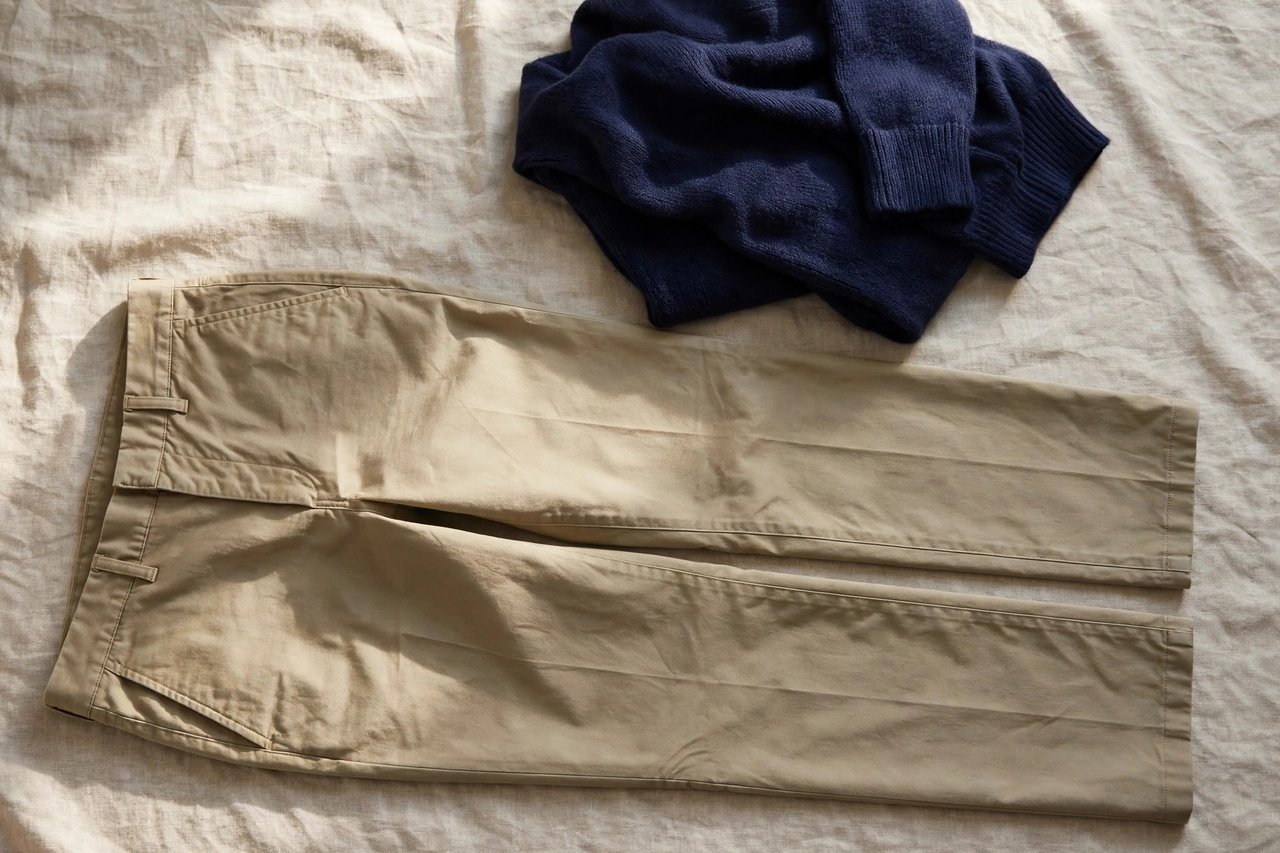
Business casual pants live in the wide, sometimes confusing territory between a suit trouser and a weekend chino — and for most office workers, they are the trousers actually worn four days out of five. The category covers neat chinos, twill trousers, ponte pants and other polished non-suiting styles that look professional without the formality, cost or dry-cleaning rhythm of full business dress. Because every workplace draws the business casual line in a slightly different place, success depends less on a single perfect pair than on understanding the code and stocking a small range that covers it. This guide decodes that code and explains the fabrics, fits and styling moves that keep business casual pants looking smart rather than sloppy.
The essential idea is simple: business casual pants are casual in origin but business in presentation. The chino is the ancestor, yet a wrinkled, faded pair with sneakers is weekend wear, while the same cut in a clean twill, pressed and paired with loafers and a tucked knit, is office-ready in most modern workplaces. Fabric finish, fit and what you wear above the waist do as much work as the pants themselves — a reality this guide will use to your advantage.
Decoding the Business Casual Dress Code
Workplace dress codes sit on a spectrum. At the formal end of business casual — common in finance, law and client-facing roles — only dressy chinos and twill trousers in dark neutrals pass, always with a tucked top, a belt and leather shoes; denim of any wash is out. In the mainstream middle, neat chinos, ponte and twill pants in a wider color range work daily, dark denim joins on some days, and knit tops and loafers are standard. In creative and tech offices, the pants code relaxes further, though clean, fitted and intentional remain the unspoken rules everywhere. When you start a new job, dress one notch above what you observe for the first weeks; it is always easier to relax than to recover from underdressing.
Certain items fail the test almost universally, regardless of workplace: cargo pants, joggers, leggings worn as pants, shorts outside of specifically relaxed summer policies, and anything faded, ripped or wrinkled. Fit failures count too — business casual trousers that are skin-tight or pooling over the shoes read as casual in the wrong way even when the fabric is right. If your office issues a written policy, read its pants language literally; phrases like smart, neat or tailored in that document are your shopping checklist. When in doubt, choose the darker color, the smoother fabric and the more tailored cut, and you will rarely be wrong.
Chinos, Twill, Ponte and Other Fabrics
The chino — a trouser in cotton chino twill, typically flat-front with slant pockets — is the defining business casual pant. In khaki, navy, black, olive and stone it anchors the whole category. Quality chinos use a smooth, tightly woven twill that resists wrinkles and holds a light crease; a small amount of elastane adds seated comfort without changing the look. Twill trousers in cotton blends or lightweight wool-blend finishes dress the chino idea up a level, with cleaner surfaces that pair more naturally with blazers. Ponte pants — thick, stable knit trousers with a tailored cut — offer the comfort of a legging with the appearance of a woven trouser, and are a secret weapon for travel and long days.
Other fabrics fill seasonal gaps. Linen-blend trousers serve summer offices when chosen in structured blends and darker colors that hide soft creasing. Corduroy in fine wales works for autumn business casual in traditional workplaces. Dark denim trousers — trouser-cut, dark, unembellished — sit at the border and belong only where you have confirmed denim is welcome. Judge every candidate by its surface and structure in daylight: if the fabric looks like weekend wear up close, no styling will fully promote it. A smooth finish, a proper waistband and clean pockets are the three features that keep casual fabrics on the business side of the line.
Fit for a Smart-Casual Silhouette
Business casual pants fit closer than formal trousers but stop well short of tight. The waistband should sit smoothly at a mid or high rise, the front flat with pockets lying closed, and the seat neat without pulling. Through the leg, straight and slim-straight cuts are the versatile standard; tapered and ankle lengths look modern and show a loafer or flat cleanly; wide-leg chinos can work beautifully when the fabric is fluid and the waist is impeccable. The hem should end at the ankle bone for cropped styles or just kiss the top of the shoe for full lengths — the half-bunched stack of casual jeans dressing has no place here.
Comfort engineering matters because these pants work long hours. Look for waistbands with a little hidden give, seat and knee construction that allows sitting and stairs without binding, and fabrics that recover rather than bagging at the knee by afternoon. Try candidates seated at a desk height, not only standing at a mirror, and check the rear view for pocket placement — back pockets set too low or wide apart undo the tailored effect. Between sizes, take the one that sits cleanly at the waist and have a tailor adjust the leg; waist fit is the expensive alteration, hemming and tapering are cheap.
Styling Business Casual Pants
The styling principle is balance of formality: pair the relaxed pant with one or two more polished elements and the outfit lands exactly on code. Chinos with a tucked knit top or fine sweater, a leather belt and loafers is the universal formula. Adding a blazer promotes the same pants to meeting-ready; swapping loafers for clean minimal sneakers demotes them to Friday. Ponte pants pair with longer knits and tunics that respect their legging-like fit while keeping their trouser finish. Colors work hardest in this category: navy and black chinos are the most formal, khaki and stone the most relaxed, and olive, burgundy and soft patterns let a small pants rotation feel larger than it is.
Seasonal styling keeps the category fresh. In summer, ankle-length twill pants with a sleeveless shell and loafers or elegant flats stay cool and composed; in winter, heavier twill or fine corduroy with ankle boots and layered knits reads warm without resorting to jeans. Keep a consistent shoe plan — business casual pants are usually bought for loafers and flats, so hem them for that height and resist wearing the same pair with high heels, which will leave them short. Accessories stay simple: a watch, small earrings and a structured tote maintain the professional signal that the pants themselves deliberately soften.
Care and Building a Working Rotation
Care is the pleasant advantage of this category: most chinos, twills and ponte pants machine wash cold and need only a warm iron or a brief steam to restore their press. Wash inside out to protect color, especially navy and black, remove promptly from the machine to limit wrinkles, and hang by the waistband. Ponte should dry flat or on the line to protect its knit structure. Because these pants are worn constantly, inspect the inner thigh, hems and pocket edges each season for wear; business casual pants tend to fade gradually rather than fail suddenly, and a pair that has lost its color depth should be retired to weekend duty before it quietly lowers your whole look.
Build the rotation deliberately: start with navy and black slim-straight chinos or twills, add khaki or stone for lighter days, then a ponte pair in black for travel and comfort, and finally a seasonal color or fabric you enjoy. Four to five pairs, rotated and rested between wears, cover a full business casual week with room for laundry reality. That small, well-fitted set will outperform a closet of random casual trousers every working day — which is, in the end, the entire point of understanding the business casual code instead of guessing at it.
Related Women's Guides
Looking for Women's Clothing Stores?
This guide helps you choose women's business casual pants by fabric and fit. To browse where to buy, visit our women's clothing store directory, where you can find retailers that carry them.