Women's Denim Jeans
The five-pocket icon, decoded — every fit and rise, inseams and stretch levels, the wash ladder, honest fit troubleshooting and care that controls fading.
Shop Women's Denim Jeans Now
Shop Women's Denim Jeans on Amazon Shop Women's Denim Jeans on eBayThe Amazon and eBay links on this page are affiliate links. If you make a purchase through them, Apparel Search may earn a commission.
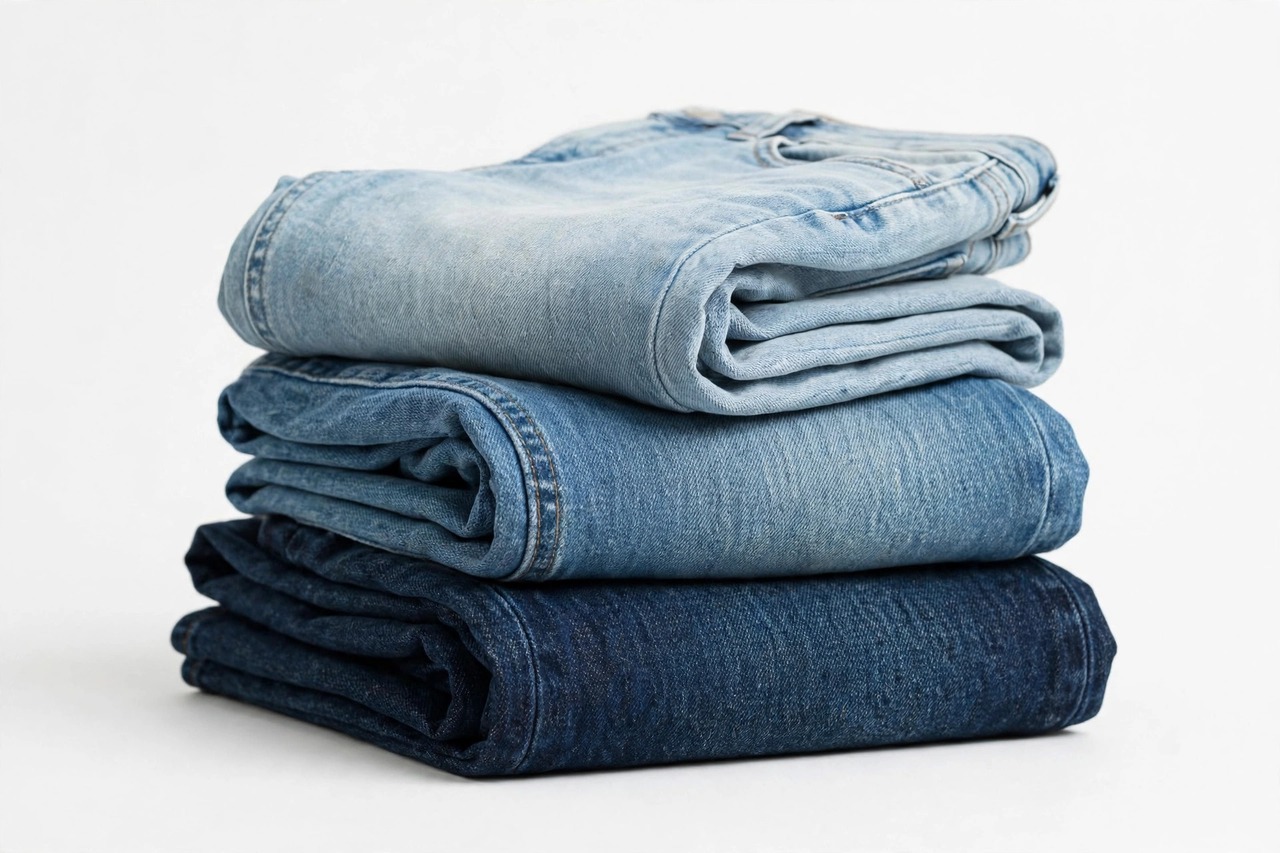
The women's denim jean is one garment with a hundred personalities, and nearly every disappointment with it comes from a mismatch among three choices: fit, rise and fabric. Get those three right for your body and your life, and details like wash and hem become easy. This guide works through each choice in order, then tackles the problems shoppers actually search for at midnight — gaping waistbands, too-long hems, knees that bag by noon — with fixes that work before you resort to returns.
If you are also weighing the premium tier, read this guide first. Designer denim uses the same fit language; the difference lies in cloth and construction, which the Denim Designer Jeans guide covers separately so this one can stay focused on the jeans most women buy and wear daily.
Fits: Skinny to Wide-Leg
Skinny jeans follow the leg closely from hip to ankle; they tuck into boots, balance oversized knitwear, and suit stretch fabrics, but they show every change in the leg and date fastest when trends swing wide. Straight-leg jeans fall in a clean column, skim rather than cling, and are the most enduring fit in the range — the safest first purchase and the easiest to dress up. Relaxed and boyfriend fits borrow ease through the thigh, worn rolled or full-length, and reward soft, broken-in denim. Wide-leg and palazzo jeans bring volume from the hip, need a defined waist and a tucked or cropped top for balance, and look best in denim with enough body to hold the sweep.
Between the poles sit the modifiers: bootcut and flare kick out below the knee to balance hips and accommodate boots; cropped and ankle lengths show footwear and suit warm weather or petite frames; barrel and horseshoe legs curve outward then taper, a fashion fit best tried in person. Choose by proportion, not by headlines: the right fit makes your legs look intentional in a plain tee, while the wrong one needs constant styling rescue.
Rises, Inseams, Stretch and the Wash Ladder
Rise is the distance from crotch seam to waistband, and it shapes both comfort and proportion. High rise, roughly 10 to 12 inches, defines the waist, lengthens the leg line and holds tops tucked; mid rise, around 8 to 10 inches, is the forgiving middle ground; low rise sits on the hip and suits those who dislike waist pressure. Inseam is simpler: measure a pair you love, from crotch to hem, in the shoes you will wear. Petite, regular and tall ranges typically span about 26 to 34 inches; cropped styles are meant to end above the ankle bone, full lengths at the shoe.
Stretch level decides the wearing experience. Rigid 100 percent cotton gives structure and longevity but a firm first week; 1 to 2 percent elastane is the sweet spot for most fits, adding ease without sag; high-stretch blends feel soft immediately and suit skinny fits, at some cost to recovery. Then the wash ladder: dark rinse at the dressy top, then clean medium blue, stonewashed mid-tones, pale vintage blues, and finally white and black at the extremes. Own a dark pair first; it dresses up, fades slowest and flatters nearly everyone.
Fit Troubleshooting, Hemming and Care
The classic problems have classic causes. A waistband that gaps at the back while hips fit means a curvier hip-to-waist ratio than the pattern allows: look for contoured yokes and curved waistbands, or budget for a simple tailor's nip at the waist. Thighs that fit while calves strangle suggests a tapered fit is wrong for you; straight and bootcut distribute ease better. Bagging knees point to over-stretched fabric or too much elastane for the fit; sizing down in a recovery-rich denim, or choosing rigid cloth, usually cures it. Dragging hems ruin proportions fastest of all — a one-inch correction changes the whole leg.
Hemming is cheap and transformative: keep the original hem where possible, since factories reattach the factory-finished edge so the alteration is invisible, and always wash jeans once before hemming because length shrinks slightly. For care that controls fading, wash inside out in cold water, sparingly, and line dry; indigo leaves with heat and agitation, so fewer, gentler washes keep dark jeans dark. Fold at the crease or hang by the waistband, rest pairs between wearings, and your best jeans will hold their fit and color for years.
Related Women's Guides
Photos

More to Explore on Apparel Search
Looking for Women's Clothing Stores?
This guide helps you choose women's denim jeans by fit, rise, inseam and wash. To browse where to buy, visit our women's clothing store directory, where you can find retailers that carry them.