Women's Designer Dresses Guide
A designer dress is engineering you can wear — drape, structure and hand finishing in a single garment. Here is how to read the quality, choose the silhouette and fit it perfectly.
Shop Women's Designer Dresses Now
Shop Women's Designer Dresses on Amazon Shop Women's Designer Dresses on eBayThe Amazon and eBay links on this page are affiliate links. If you make a purchase through them, Apparel Search may earn a commission.
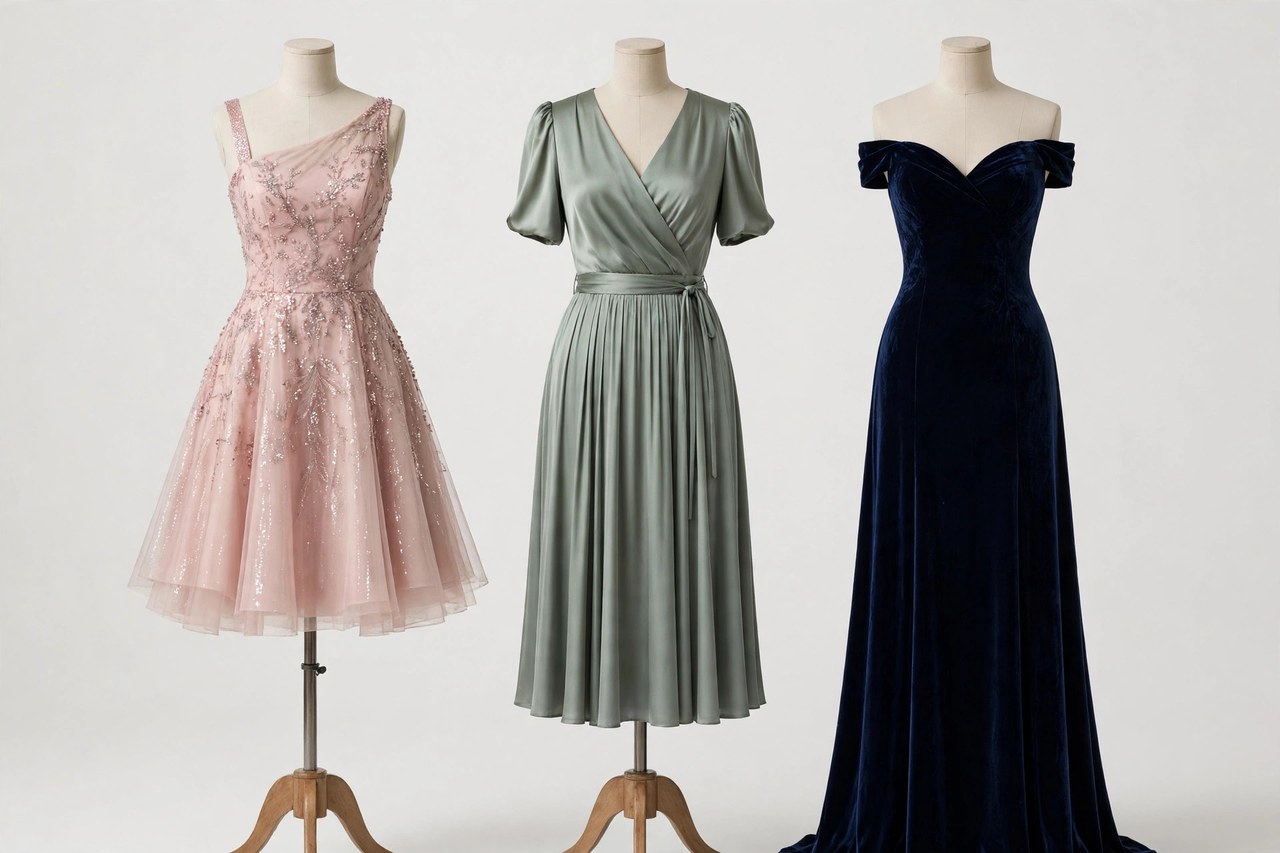
Of all designer garments, the dress shows the maker's skill most clearly, because a single piece must do the work of a whole outfit: shape the body, move gracefully, sit comfortably and hold its line from the first photograph to the last dance. A designer dress is rarely about decoration alone. It is about how cloth is cut, draped and supported so that the finished garment flatters without effort — and understanding that construction helps you choose dresses that earn their price.
This guide looks at designer dresses as garments in their own right: the silhouettes and draping that define them, the internal construction borrowed from couture, the fabrics that behave best, and the ladder of occasions from a cocktail party to a gala. It closes with fit, tailoring and the resale value that well-chosen designer dresses hold unusually well.
Silhouette and Draping
Every designer dress begins with a silhouette. The sheath follows the body closely in a clean column; the fit-and-flare nips at the waist and releases into a full skirt; the wrap crosses and ties, adjusting to the wearer; the slip dress falls on the bias in a liquid line; and the column or empire raises the waist to lengthen the leg. Houses develop signature silhouettes over seasons, refining a shoulder, a neckline or a sleeve until it becomes recognisably theirs.
Draping is where artistry enters: fabric is arranged on a stand, pinned and sculpted before any pattern is cut, so folds fall from a shoulder or a hip in soft, deliberate lines. Bias cutting — cutting at forty-five degrees to the grain — lets even a plain crepe cling and release like water. When you try a designer dress, watch the drape in motion: walk, sit and turn. Great draping moves with you and settles back into place; poor draping twists, pulls and needs constant adjustment.
Couture-Level Construction Details
Turn a fine designer dress inside out and the quality announces itself. Look for a full lining that lets the dress glide over the body, an internal structure such as a boned bodice, grosgrain waist stay or built-in cups in strapless styles, and seams that are finished cleanly with no raw edges. Hand-finished hems hang invisibly, zips are set by hand to lie flat, and embellishment is sewn, never glued, with patterns matched across seams and closures.
These details are practical, not precious. Internal structure is what lets a strapless gown stay exactly where it was fitted; a waist stay keeps a heavy skirt from dragging the bodice down; generous seam allowances let a tailor release or take in the dress as your shape changes over the years. Two dresses may share a photograph and differ completely inside — always check the interior before judging value, especially when comparing a designer original with an inspired-by copy.
Fabrics and the Occasion Ladder
Fabric sets both the look and the formality. Silk crepe and satin give fluid, luminous evening dresses; mikado and faille hold sculpted shapes for formal gowns; lace brings texture and romance; wool crepe and ponte make polished day and work dresses; and fine cotton or linen serves summer occasions. Designer dresses justify themselves in cloth quality — denser weaves, richer colour and finishes that resist creasing through a long event.
Match the dress to the occasion ladder. Day events and weddings before evening call for knee or midi lengths in matte fabrics; cocktail dresses add lustre, beading or a dramatic sleeve at knee to midi length; black-tie and gala dresses go floor-length with the fullest construction and fabric budget. Buying one superbly made dress that covers two rungs — say, a midi silk dress that dresses up or down — usually beats two lesser dresses bought in a hurry for single evenings.
Fit, Tailoring and Resale Value
Fit is where a designer dress becomes yours. Buy for your largest measurement — usually the bust or hip — and tailor the rest down; letting out is limited even with good allowances. Shoulders and armholes should sit cleanly, the waist seam should land on your natural waist, and a fitted bodice should support without squeezing. Budget tailoring into the purchase price from the start: modest alterations on an excellent dress outperform a perfect-off-the-rail fit on a mediocre one, every time.
Finally, designer dresses hold resale value better than most clothing, particularly classic silhouettes from recognised houses in black, navy, ivory or jewel tones, kept with their original garment bag and proof of purchase. Store them padded and dark, clean them before storage, and repair promptly. Whether you eventually resell, lend or hand a dress down, careful storage and honest condition are what turn a beautiful purchase into a lasting asset rather than a single-season expense.
Related Women's Guides
Photos

Looking for Women's Clothing Stores?
This guide helps you choose women's designer dresses by silhouette, occasion and fit. To browse where to buy, visit our women's clothing store directory, where you can find retailers that carry them.