Women's Premium Denim Guide
Premium denim starts with better cloth: higher-quality materials from better mills, woven into the sturdy cotton twill that designer and high-end brands cut into jeans, jackets, shirts and skirts.
Shop Women's Premium Denim Now
Shop Women's Premium Denim on Amazon Shop Women's Premium Denim on eBayThe Amazon and eBay links on this page are affiliate links. If you make a purchase through them, Apparel Search may earn a commission.
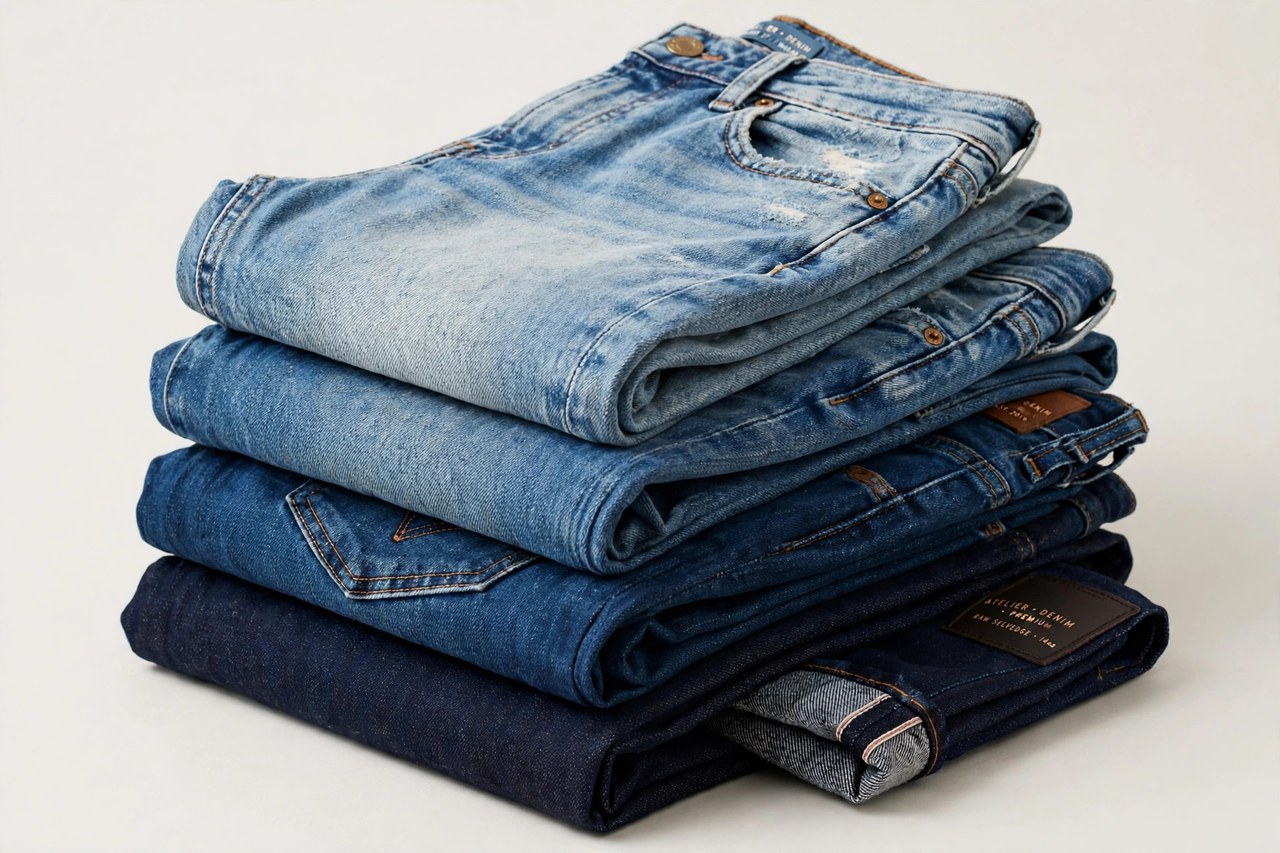
Denim itself is a sturdy cotton twill — a diagonal-ribbed weave, traditionally with indigo-dyed warp threads and undyed weft, tough enough to have started life as workwear. Premium denim is what happens when every input to that simple formula is upgraded: longer-staple, higher-quality cotton, yarns spun and dyed with more care, cloth woven by better mills, often on slower looms, and garments finished with more handwork. The result costs more than ordinary denim, and the difference is not imaginary, but it is specific — this guide explains exactly where the money goes.
The premium category was built by designer and high-end brands that treated jeans as fashion garments rather than basics, and it now covers far more than jeans alone. The same upgraded cloth appears in denim jackets, shirts and skirts, sold through department stores and boutiques at the luxury end of the market — retailers such as Neiman Marcus are typical stockists for the designer labels in this tier. Whether the premium is worth paying depends on how you wear denim: as a daily foundation, better cloth repays its price in fit retention and lifespan.
What Makes Denim Premium: Mills and Materials
Start with the cotton. Premium mills use longer-staple cotton, which spins into smoother, stronger yarn with less fuzz, so the finished fabric looks cleaner, resists pilling and softens gracefully instead of wearing thin. Better mills — historically in Japan, Italy, Turkey and the United States — control dyeing more precisely, whether the deep rope-dyed indigo that fades in high-contrast patterns or the cleaner, more even color of fashion denim. Selvedge denim, woven on vintage shuttle looms with a finished self-edge, is the connoisseur's marker of this tier, though plenty of excellent premium cloth is woven on modern looms.
Weight and blend complete the picture. Denim weight, measured in ounces per square yard, runs from light shirting weights to heavy 14-ounce cloth; premium women's jeans most often sit in the versatile 10 to 12.5 ounce range. Stretch is the modern variable: one to two percent elastane gives comfort stretch that moves without bagging, while higher-stretch blends trade some of that crisp denim character for a legging-like fit. Premium lines distinguish themselves by using stretch yarns with better recovery, so knees and waistbands return to shape instead of growing through the day — test this by trying the jean on and sitting, standing and walking before judging the fit in the mirror alone.
Jeans, Jackets, Shirts and Skirts
The premium jean is the category's center: five-pocket styles in skinny, straight, slim, bootcut, flare and wide-leg cuts, where the premium shows in fit consistency, considered pocket placement, quality hardware and washes finished by hand rather than by bulk process. A designer wash — whiskering, fading and abrasion placed to flatter — is skilled work, and it is a large part of what the price buys. Dark, minimally washed premium jeans are the most versatile purchase in the entire category, dressing up with a blazer as readily as they dress down with a tee.
Beyond jeans, premium denim cloth upgrades the whole denim wardrobe. A denim jacket in better cloth molds to the body over seasons instead of staying boardy. Denim shirts in lighter premium twill or chambray-weight denim layer without bulk. Denim skirts — pencil, A-line and midi — gain the smooth surface and color depth that make them read as tailoring rather than casual wear. When a brand prices these pieces at the premium tier, the same checks apply as with jeans: fabric hand, stitch density, hardware quality and the evenness of the wash tell you whether the cloth justifies the label.
Choosing, Pricing and Care
Choose premium denim the way you would choose tailoring: by fit first, wash second, brand last. The waistband should sit without gaping at the back, the rise should suit your proportions and your tops, and the leg should be bought for the shoe height you wear most, with hemming budgeted for the rest. Expect genuine premium jeans to cost meaningfully more than high-street denim because the materials and finishing genuinely cost more to produce; what you are buying is slower fading, better shape retention and construction that survives years of weekly wear, which lowers the cost per wear below that of cheaper pairs replaced annually.
Care protects the investment. Wash premium denim infrequently, inside out, in cold water with a dark or denim-specific detergent, and skip the dryer where possible — heat breaks down elastane and accelerates indigo loss. Raw and dark denim rewards long intervals between washes with personal fade patterns; fashion washes are already finished, so simply wash gently to hold their color. Store jeans folded or hung by the waistband, repair small wear at the inner thigh early, and a premium pair will do what the category promises: look better in its third year than an ordinary pair looked in its first.
Related Women's Guides
More to Explore on Apparel Search
Women’s Clothes Guide by Letter: Women's Apparel Directory N · Women's Clothes Directory O · Women's Apparel Directory Q · Women's Fashion Directory R · Women's Clothing Directory S · Women's Clothes Directory T
Looking for Women's Clothing Stores?
This guide helps you choose women's premium denim. To browse where to buy, visit our women's clothing store directory, where you can find retailers that carry them.