Women's Vegan Shoes Guide
Vegan shoes are shoes made without animal-derived materials anywhere in the product — uppers, linings, insoles, adhesives and finishes — in microfibre, canvas, mesh and recycled synthetics.
Shop Women's Vegan Shoes Now
Shop Women's Vegan Shoes on Amazon Shop Women's Vegan Shoes on eBayThe Amazon and eBay links on this page are affiliate links. If you make a purchase through them, Apparel Search may earn a commission.
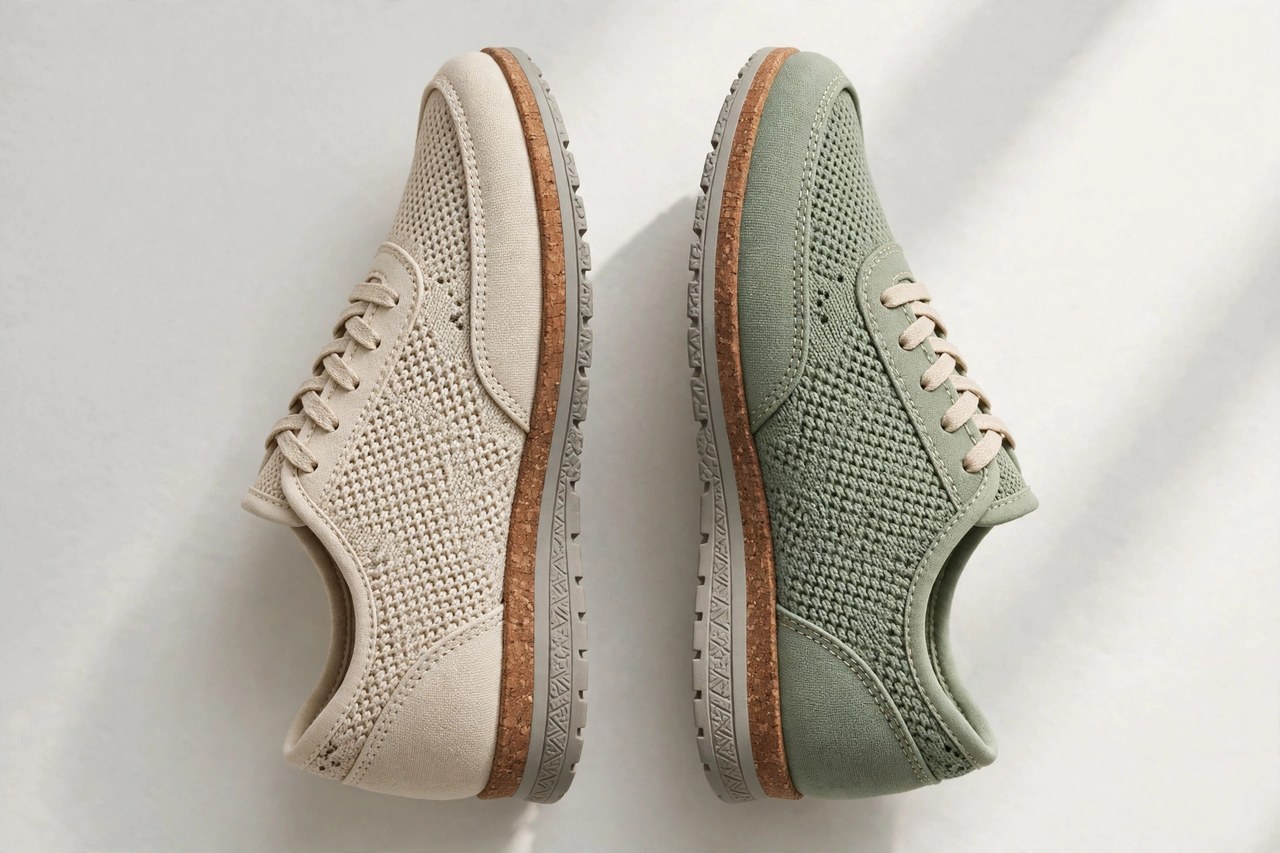
Vegan shoes are shoes made without animal-derived materials anywhere in the product — uppers, linings, insoles, adhesives and finishes — in microfibre, canvas, mesh and recycled synthetics. This page is the general guide to the vegan footwear category: the certification and labelling landscape, the material families used in place of leather and wool, and how to compare a vegan shoe fairly against the conventional shoe it replaces.
This guide covers vegan shoes in the order a careful buyer needs it: what the product is made from, how it is constructed, how it should fit, how to choose it for real use, and how to care for it so it lasts. The focus is on measurable details, named materials and checks you can perform in a shop or on a parcel's arrival, rather than general fashion language.
Materials That Replace Leather
Animal-free footwear is built from a small family of materials. Microfibre — a fine polyester or polyamide mat with a polyurethane finish — is the leather analogue, in grades from stiff and shiny to soft and suede-like. Canvas and woven textiles cover casual styles, engineered mesh covers trainers, and cork, EVA and rubber form footbeds and soles. Each behaves differently from leather and from each other, so the material name is the first specification to read.
Construction is mostly cemented (glued) in this category, with stitched constructions at the quality end. The invisible components decide whether a shoe meets its label: linings, insole boards, toe stiffeners and adhesives are animal-derived in conventional making, and only makers who audit them can claim a fully animal-free product. The word vegan on a shoe describes its materials, not its quality or its environmental footprint: a vegan shoe can be excellent or disposable, and the construction checks are the same ones you would apply to any shoe. Seams, edge finishing and sole attachment show quality exactly as they do in leather footwear.
Fit Without Break-In
Leather-free uppers do not mould to the foot the way leather does: microfibre gives a little, textiles hold their shape, and synthetics soften without stretching. The fit you buy is very nearly the fit you keep, so size these shoes by measurement and try both sizes when between them, walking on a hard floor to judge them honestly.
Footbeds do more work in this category because the upper adapts less: a moulded, arch-supporting footbed in EVA or cork composite supplies the personalised fit a leather insole would have developed. Removable footbeds are a genuine feature — they allow orthotics and let the shoe be refreshed — and are worth paying for in shoes worn all day.
Choosing Animal-Free Footwear
Choose vegan shoes in a fixed order: the guarantee you need (leather-free versus fully certified animal-free, glues and linings included), the material matched to the weather and wear the shoe will meet, footbed and sole construction, and only then style. In practice, rank these checks in the order your own use demands — frequency of wear first, then weather, washing facilities and budget — because that order differs by wardrobe, and it is the real reason two careful buyers can correctly choose differently from the same rail.
Judge price by materials and construction, not by the label: a stitched, microfibre shoe with a moulded footbed is a different product from a cemented fashion shoe with a synthetic upper, and the price spread between them is mostly honest. Very cheap animal-free shoes cut the same corners as very cheap leather ones.
Cleaning and Care
Clean microfibre and textile uppers with a damp cloth and mild soap; never apply leather conditioners, waxes or oils, which can stain or delaminate synthetic finishes. Textile styles may tolerate gentle machine washing if the maker allows it — adhesives, not fabric, set the limit — and everything dries in air and shade.
Heat and sun are the enemies: polyurethane finishes degrade under prolonged UV and in hot storage, eventually cracking or turning sticky, a process called hydrolysis that age alone also advances. Wear synthetic shoes regularly rather than saving them for years, store them cool and dry, and expect a service life measured in good years rather than decades.
Common Questions
What materials replace leather in vegan shoes?
Microfibre is the closest leather analogue — a fine polyester or polyamide fibre mat with a polyurethane finish — while canvas, engineered mesh and recycled textiles cover casual styles. Newer options include cactus, mushroom and fruit-based composites, which vary widely and should be judged by the maker's wear testing.
Are vegan shoes always more sustainable?
Not automatically: a microfibre shoe is plastic-based and not biodegradable, while its advantage is avoiding animal inputs. Sustainability depends on the whole life of the shoe — durability, repairability and materials — so weigh a long-lasting vegan shoe over a short-lived one of any material.
Why do some vegan shoes cost more than leather ones?
Certified animal-free glues, linings and components cost more to source at small scale, and specialist vegan brands produce in smaller runs. Prices fall as the category grows, but a very cheap vegan shoe usually means thin materials and cemented construction, as with any shoe.
Related Women's Guides
What Vegan Footwear Excludes
Animal products that can appear in clothing and footwear include: leather, silk, wool (including lambswool, shearling, cashmere, angora and mohair among the fine wools), fur, feathers, pearls, animal-derived dyes, snakeskin and other skins. Dietary vegans might use some of these in clothing, but ethical veganism extends beyond food to the wearing and use of animal products altogether.
Leather alternatives come in natural and synthetic forms: natural options from materials such as cork, piña (from pineapples), cactus and mushroom, and synthetic faux leathers — with the honest caveat that synthetics are often petroleum-based and attract environmental criticism of their own.
Looking for Women's Clothing Stores?
This guide helps you choose women's vegan shoes. To browse where to buy, visit our women's clothing store directory, where you can find retailers that carry them.