Women's Wide Shoes Guide
Women's wide shoes are shoes made in wide widths — the same length as a regular size with a wider forefoot and toe box — in letter widths such as D, E, 2E and wider, across walking, dress and work styles.
Shop Women's Wide Shoes Now
Shop Women's Wide Shoes on Amazon Shop Women's Wide Shoes on eBayThe Amazon and eBay links on this page are affiliate links. If you make a purchase through them, Apparel Search may earn a commission.
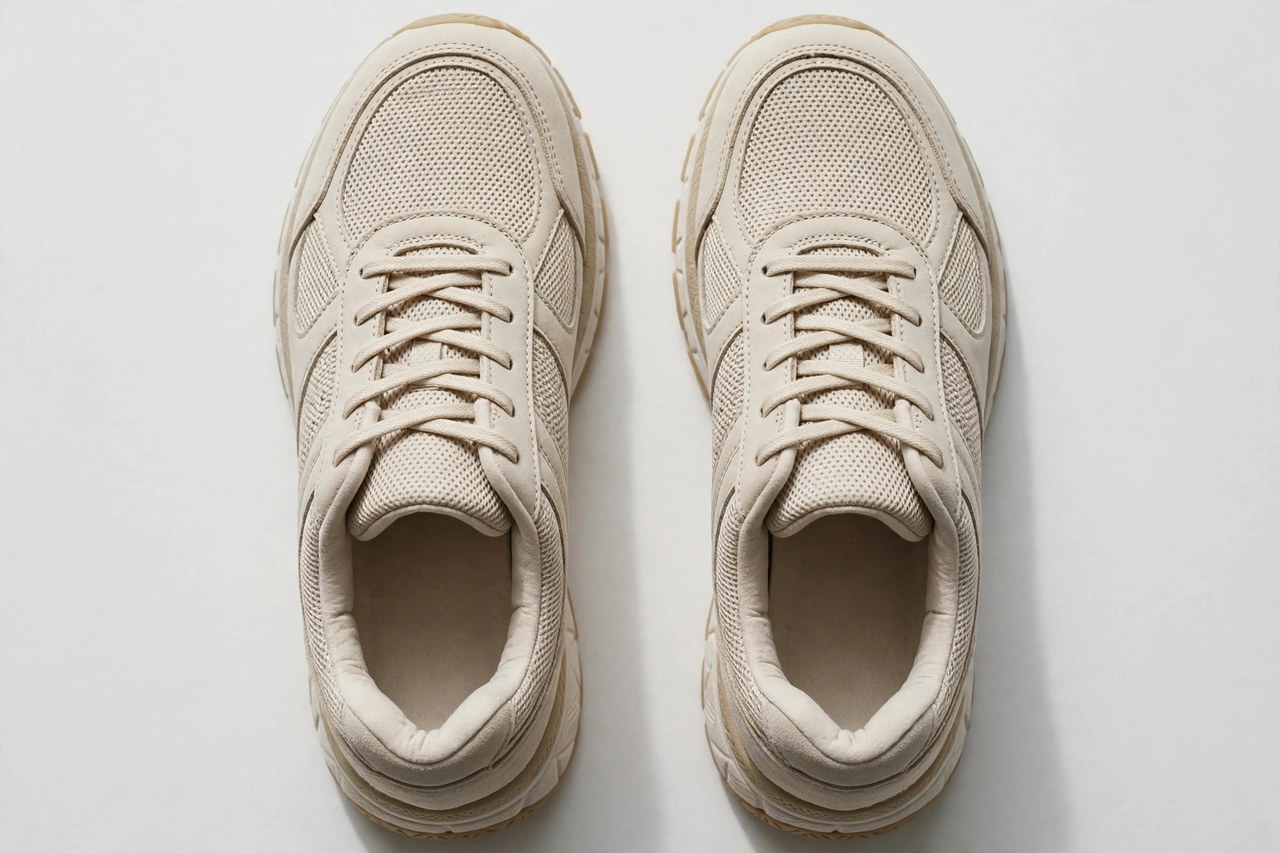
Women's wide shoes are shoes made in wide widths — the same length as a regular size with a wider forefoot and toe box — in letter widths such as D, E, 2E and wider, across walking, dress and work styles. Width is the most mismatched dimension in women's footwear, so this guide covers the width letter system and its lack of standardisation, how to tell a true wide last from a sized-up shoe, and fitting a forefoot that needs room without heel slip.
This guide covers wide shoes in the order a careful buyer needs it: what the product is made from, how it is constructed, how it should fit, how to choose it for real use, and how to care for it so it lasts. The focus here is on measurable details, named materials and checks you can perform in a shop or on a parcel's arrival, rather than general fashion language.
Upper, Sole and Construction
A shoe is three systems working together: the upper that holds the foot (leather, mesh, textile or synthetic, lined or unlined), the insole and midsole that cushion it, and the outsole that meets the ground in rubber, leather or synthetic compounds. Each system can be excellent while another fails, which is why a shoe is judged system by system rather than by first impression in the hand.
Construction decides how those systems age: cemented soles are light and cheap but cannot be replaced, stitched constructions cost more and can be resoled, and moulded units sit between. A true wide shoe is built on a wide last: the whole forefoot mould is wider, so the heel can still be proportioned correctly — simply buying a longer shoe gives room at the toes and a sloppy heel. Flex the shoe at the ball of the foot, check the heel counter's firmness, and read the outsole's tread depth before trusting a specification sheet.
Fit and Sizing
Fit shoes at the end of the day, in the socks they will be worn with, and judge them standing: about a centimetre of length past the longest toe, no pressure across the forefoot, and a heel that stays seated when you walk. Length, width and volume are three different dimensions, and a shoe can be right in one and wrong in the other two.
Feet differ by time and by side: most people have one foot measurably larger, and the larger foot is the one to fit. Walk on a hard floor, not carpet, which hides pressure points, and test the movements the shoe is bought for — stride, stairs, turning — because a shoe's job description is motion, not standing.
Choosing the Right Pair
Choose wide shoes by measurable criteria in a fixed order: the surface and mileage they must handle, fit in length, width and volume, cushioning matched to your weight and pace, and only then colour and styling. In practice, rank these checks in the order your own use demands — frequency of wear first, then weather, washing facilities and budget — because that order differs by wardrobe, and it is the real reason two careful buyers can correctly choose differently from the same rail.
Judge price by the midsole, the outsole compound and the upper material, in that order: those are the components that wear out and cannot be seen failing until they have. A shoe whose cushioning dies in three months is expensive at any price; a well-built shoe resoled once is cheap per mile.
Care and Rotation
Rest shoes a day between wears so cushioning foam recovers and uppers dry — two pairs rotated last far longer than the same two pairs worn consecutively. Brush or wipe uppers after use, loosen laces fully before removing shoes, and use trees or stuffing to hold shape in leather styles.
Never dry wet shoes on direct heat, which cracks leather, warps synthetics and melts the glues in cemented construction; stuff them with paper and dry at room temperature instead. Replace shoes when the midsole feels dead or the tread is smooth at the ball — both failures arrive before the upper looks tired.
Common Questions
What do shoe width letters mean?
Letters grade width around the standard B for women's medium: A, 2A and 4A run narrower, while D is wide, E wider, and 2E and 4E extra wide. There is no enforced industry standard, so one brand's D can equal another's E — always check the brand's own measurements.
How do I know if I need wide shoes?
Signs include the forefoot spilling over the sole's edge, bulging at the little-toe side, numbness or redness across the ball of the foot, and shoes that feel tight across while the length is right. Feet also widen with age, pregnancy and long days standing — a width that fit at twenty-five may not at forty-five.
Should I size up instead of buying wide?
Only as a last resort: a longer shoe puts the flex point in the wrong place, lets the heel slip and can trip you, while adding width where your foot may not need it. A wide width in your true length keeps the shoe's engineering under the right parts of your foot.
Related Women's Guides
How Width Letters Work
A wide-width shoe has the same length as a regular shoe of the same size, but the forefoot — and possibly the toe area — is made wider. Wider footwear is manufactured to accommodate wider feet. If a shoe fits in length but feels snug around the foot, that is the signal to try a wide width.
One warning matters here: the footwear industry has no exact standardisation for sizing, and each brand may use its own measurements. Many brands use a letter system for widths — A, 2A and 4A for narrows through B, and D, E, 2E and 4E for wides — so the letters only mean something inside one brand's own chart.
Looking for Women's Clothing Stores?
This guide helps you choose women's wide shoes. To browse where to buy, visit our women's clothing store directory, where you can find retailers that carry them.