Women's Xtreme Sports Apparel Guide
Women's xtreme sports apparel is the protective, technical clothing system worn for action sports — snowboarding, skating, climbing, riding and flight sports — where gear is chosen for protection first and style second.
Shop Women's Xtreme Sports Apparel Now
Shop Women's Xtreme Sports Apparel on Amazon Shop Women's Xtreme Sports Apparel on eBayThe Amazon and eBay links on this page are affiliate links. If you make a purchase through them, Apparel Search may earn a commission.
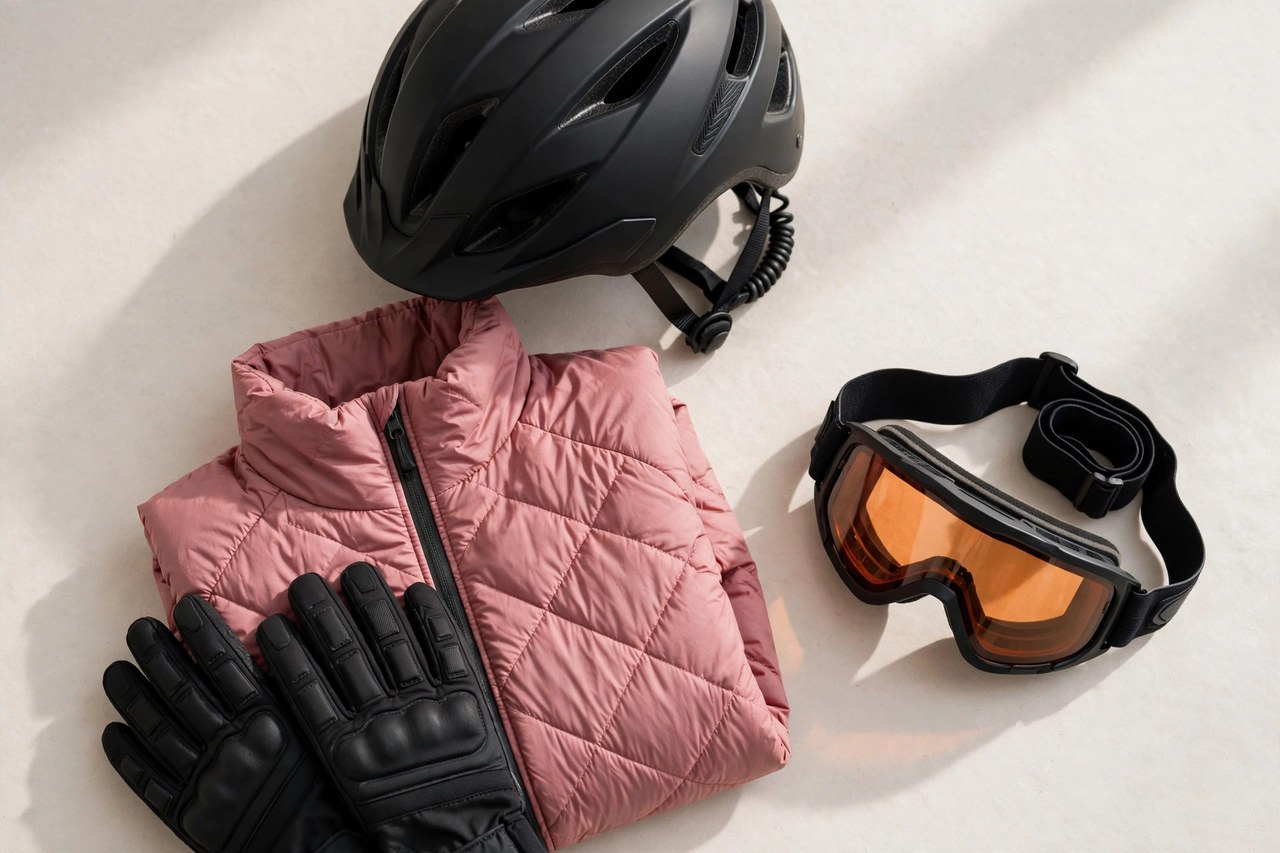
Women's xtreme sports apparel is the clothing and protective equipment designed for action sports: activities involving a high degree of risk, speed, height, physical exertion and highly specialized gear. The category spans kitesurfing, snowboarding, hang gliding, base jumping, motorized vehicle sports, extreme skiing, parachuting and inline skating, plus mountain biking, skateboarding, climbing and motocross — and in all of them, what you wear is part of the safety system, not an outfit chosen afterwards.
Ordinary sportswear is designed for comfort and movement; xtreme sports apparel adds a third job — managing impact, abrasion and weather when something goes wrong at speed. This guide judges every piece the way a specialist shop does: by the protection it provides, the standard it is built to, and whether it still fits and functions after a season of hard use.
A System, Not a Garment
No single item is 'the' xtreme sports garment. A rider or rider-athlete wears a system: a certified helmet for the head; impact protection for back, chest, hips, knees, elbows and wrists, worn as armored clothing or as separate guards strapped over it; an abrasion-resistant shell layer in Cordura-type nylon, reinforced denim or leather where sliding is a real possibility; gloves built for grip and knuckle protection; and footwear matched to the sport, from skate shoes with flat, grippy soles to snowboard boots and motocross boots that support the ankle against real forces.
Underneath sits the comfort system: moisture-wicking base layers, insulation sized to altitude and season, and ventilation that opens without removing protective pieces. The layers interact — a back protector over a bulky mid-layer sits wrong, and knee guards sized for bare legs will not close over winter pants — so this category is fitted as a kit, each piece tried on with the layers it will be worn with.
Fabrics and Construction That Earn Their Place
Materials in this category are chosen for failure modes. Shells use high-denier synthetic weaves that resist tearing and sliding abrasion; impact zones use foam that hardens on impact or layered foams of different densities; seams in slide zones are moved away from the contact area or reinforced, because a seam is where a garment opens first. Water sports variants trade insulation for drainage and quick drying, and snow variants add waterproof-breathable membranes and sealed seams over the same protective logic.
Read construction like an inspector: stitching dense and even, armor pockets that hold pads where they are meant to protect, closures that work with gloved hands, no decorative hardware in impact zones. Certification is the category's quality language — helmets and body armor are built and tested to published safety standards for their sport, and a piece with no standard behind it is costume. Price follows that logic: certified protection, real abrasion fabrics and replaceable pads cost more because they do more.
Fit Is a Safety Specification
In protective clothing, fit is not about comfort — it is about position. A back protector that rides up, knee pads that rotate in a fall, or a helmet that lifts at speed protects the wrong place or nothing at all. Fit every piece in the position of use: crouched, reaching, pedalling or holding the bar, with the layers it will cover. Straps should hold pads centred over the joint through movement, snug without cutting circulation, with adjustment left in both directions.
Women's sizing here has historically meant a shrunk men's pattern, and the difference matters most in armor: hip and chest protection shaped for a woman's body sits where it should instead of migrating. Measure against the maker's chart for each piece — head circumference for helmets, torso length for back protectors, thigh and calf for leg guards — because protective sizing runs by measurement, and your dress size is only a starting guess.
Choosing by Sport, From Specialists
Choose in a fixed order: the sport's actual risks first (impact, abrasion, cold, water), the certified protection those risks require, fit of the full kit together, and only then colour and styling. The same 'protective jacket' is a different product in a skate park, on a snowboard slope and on a motocross track; buying by the generic label instead of the specific sport is the category's classic mistake.
Buy from retailers who specialize in your sport. A specialist shop fits helmets, knows which pads suit which discipline, and will tell you when a piece is fashion borrowing the look rather than equipment built for the fall. That expertise is part of the product: being outfitted properly, by someone who does the activity, is worth more than a small saving on gear your safety depends on.
Care, Inspection and Replacement
Protective gear is inspected, not just cleaned. Wash base layers and soft goods by their labels, air helmets and pads away from heat, and after any significant impact examine the piece before its next use: cracked shells, compressed foam that no longer rebounds, torn straps and worn hook-and-loop closures are all retirement signs, not character. Helmet foam is designed to absorb one serious impact by crushing — a helmet that has done its job once has spent its protection, even when it looks unmarked.
Store the kit dry, uncompressed and out of sunlight, which degrades foams and shell plastics. Replace on evidence rather than age alone, respect the makers' service lives for helmets and armor, and never hand a crashed helmet down to another rider. In a category bought to reduce the risk of injury, the inspection habit is the cheapest protection there is.
Common Questions
Is 'xtreme' sports apparel different from 'extreme' sports apparel?
No - they are the same category. 'Xtreme' is simply an abbreviated spelling of 'extreme' that action-sports brands and retailers adopted, and the clothing is identical in purpose: protective, technical apparel for high-risk activities involving speed, height and exertion. Search and shop under both spellings, because retailers file the same gear under each.
Why buy xtreme sports clothing from a specialist retailer?
Because in this category the clothing is safety equipment. A retailer that specializes in your sport can fit a helmet correctly, match pads and armor to the discipline, and tell equipment built to a safety standard apart from fashion styled to look like it. A specialist is still the fastest way to be outfitted with the proper clothes and footwear.
When should protective gear be replaced?
Immediately after a serious impact for helmets and any piece with cracked shells or crushed foam - impact foam absorbs one crash by deforming and does not recover. Replace other pieces when straps tear, closures no longer hold the pad in position, or foam stays compressed. Gear that has moved out of place or lost its structure no longer provides the protection it was bought for.
More in Women's Clothes Guide X
X has a single topic, gathered with every other letter of the guide on the X hub:
Xtreme, Extreme and Action Sports
"Xtreme" is simply an abbreviated version of the word "extreme". Action sports, adventure sports or extreme sports are activities perceived as involving a high degree of risk, often involving speed, height, a high level of physical exertion and highly specialized gear.
Xtreme sports activities include kitesurfing, snowboarding, hang gliding, base jumping, motorized vehicle sports, extreme skiing, parachuting and inline skating. Women's xtreme sports clothing is available in various retail stores, but shopping at retailers that specialize in the sport you are interested in is the surest way to be outfitted with the proper clothes and footwear. Above all, wear the proper clothing to help reduce the risk of injury during your athletic adventures, whether the next outing is ice climbing, mountain biking, cave diving or motocross.
More to Explore on Apparel Search
References & Further Reading
- Manufactory Apparel - custom-designed extreme sports apparel, made for some of the biggest skydiving brands in the world
- Xtreme INN - specialist action-sports retailer
- AllSport Protection - protective equipment for BMX, mountain bike, ski and snowboard, skate and longboard, roller blade and roller derby, snowmobile and water sports helmets
Looking for Women's Clothing Stores?
This guide helps you choose women's xtreme sports apparel and protective gear. To browse where to buy, visit our women's clothing store directory, where you can find retailers that carry them.