Best Fashion Social Media for 2014
Following fashion on the 2014 networks — Pinterest, Twitter, Facebook and the Google+ era
In the world of fashion it is important to be flexible, because trends and style changes can shift forward, backward or sideways at a moment's notice — the fashion savvy must remain versatile at all times, rather like the luxurious Loro Piana hooded vest pictured below. One practical way to stay that flexible in 2014 was to monitor stylish activity on social networks, where the fast-paced global fashion community posted what it was wearing, making and buying in real time.
This guide collects the social resources recommended for fashion followers in 2014, centered on the networks where Apparel Search itself was active: Pinterest, Twitter and Facebook, with Google+ part of the era's lineup. Kept today as a historical 2014 guide, the page preserves both the recommendations and a small time capsule — including the later note, kept with the list, that Google+ closed down a few years after this guide was written.
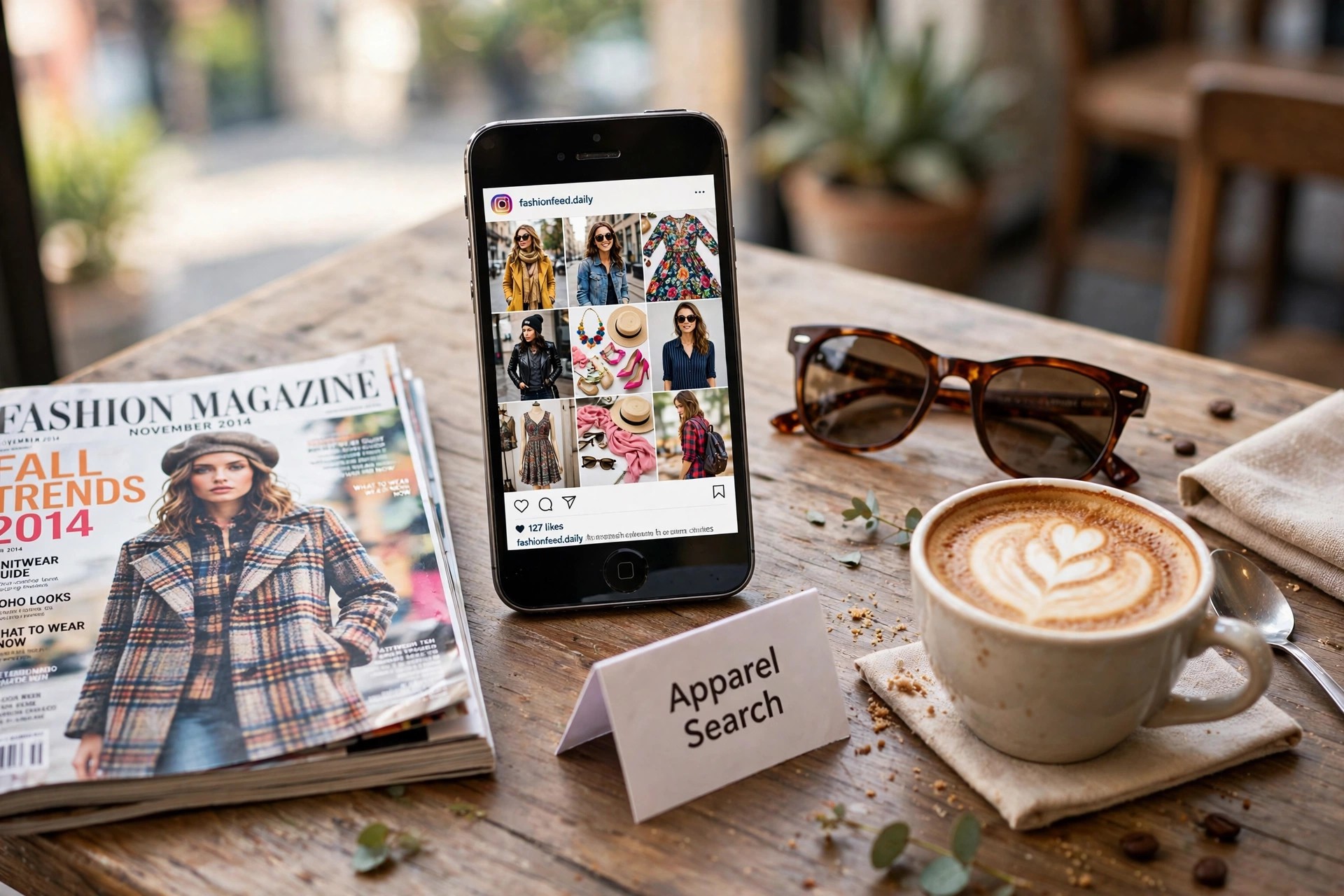
The 2014 Lineup: Pinterest, Twitter, Facebook and Google+
Pinterest — the visual network, and the most natural home for fashion: boards of garments, outfits and details that other users could save and re-pin, building a steady flow of styles to browse. Apparel Search kept boards there under @apparel, and individual pins — like the example kept in References below — show how a single product image could travel.
Twitter — the fast network: headlines, links and quick reactions during shows and events. Apparel Search posted as @apparel_search, and the site's own Twitter page explains the account. Where Pinterest collected, Twitter announced.
Facebook — the big-room network, where a fashion page could gather followers, photo albums and discussion in one place. The Apparel Search Facebook Page carried the directory's news and images to the largest general audience any of these services offered in 2014.
Google+ — part of the standard lineup when this guide was written, listed alongside the others in the trend-spotting advice of the day. A later update added to the list records the ending plainly: Google+ closed down a few years later. The entry stays here as history — a reminder that social platforms, unlike the clothes, do not always last.
Why Following Fashion Socially Worked in 2014
Social networks solved a timing problem. Magazines closed issues weeks ahead, newspapers worked a day ahead, but a photograph from a show, a store or a street could be public within minutes — and a follower in another time zone could wake up to the whole of yesterday's fashion already sorted into boards and feeds. For trends that shifted sideways at a moment's notice, that speed turned passive readers into monitors of a living market.
The networks also divided the labor of taste. Designers and brands posted their own imagery, editors and stylists posted theirs, and ordinary wearers posted what the clothes looked like off the runway — three viewpoints that once arrived through three different media now sharing one stream. The social media and fashion industry term page and the best social media guide put this guide in its wider context; the reading companion, the best reading material for 2014, covers the blogs and magazines that social posts so often linked to.
A word of method from the guide's own spirit: follow selectively. A small set of well-chosen accounts — a few designers, a few editors, a few boards in your own style — teaches more than an enormous feed, and it leaves time to actually wear the clothes. Versatility, like the vest, is a quality of the follower as much as of the followed.
Common Questions
Which social networks did the 2014 guide recommend for fashion?
Pinterest, Twitter and Facebook — where Apparel Search was active as @apparel on Pinterest, @apparel_search on Twitter and the Apparel Search Facebook Page — with Google+ also part of the era's standard lineup before it closed down a few years later.
Why did social media matter for following fashion in 2014?
Speed and viewpoint. Shows, stores and street style could be photographed and shared within minutes, and designers, editors and ordinary wearers published side by side, so followers could watch trends form instead of reading about them weeks later.
What happened to Google+?
It closed down a few years after this guide was written — a later note added to the list records the closure, and the entry is kept on this page as part of the historical record of the 2014 social landscape.
Photos

More to Explore
References & Further Reading
An example pin and further social reading: