Dirtbag Clothing
Clothing Company Definitions — United States clothing company definitions from Apparel Search
Search Apparel Search
At a Glance
Definition: Dirtbag Clothing is a San Francisco-based apparel company founded in 1996 by Douglas Canning and John Alves, making streetwear, punk and urban clothing, hoodies, flexfit hats and accessories, sold heavily through internet sales and marketing.
Category: Clothing Company Definitions
Dirtbag Clothing is a San Francisco-based apparel company founded in 1996 by Douglas Canning and John Alves. It manufactures various styles of apparel, including streetwear, punk clothing, urban clothing, hoodies, flexfit hats, women's T-shirts, baby doll tops and accessories, and its business model relies heavily on internet sales and marketing rather than a printed catalog.
Founded by Two Film Students, Website First
Dirtbag Clothing was founded by partners Douglas Canning and John Alves during their final year as film majors at San Francisco State University. Instead of starting with a catalog like most apparel companies, Canning began with a website. That reversal — website first, in 1996, when most clothing companies printed a catalog and added a website later — is the company's defining decision, and internet sales and marketing carried the business from the start.
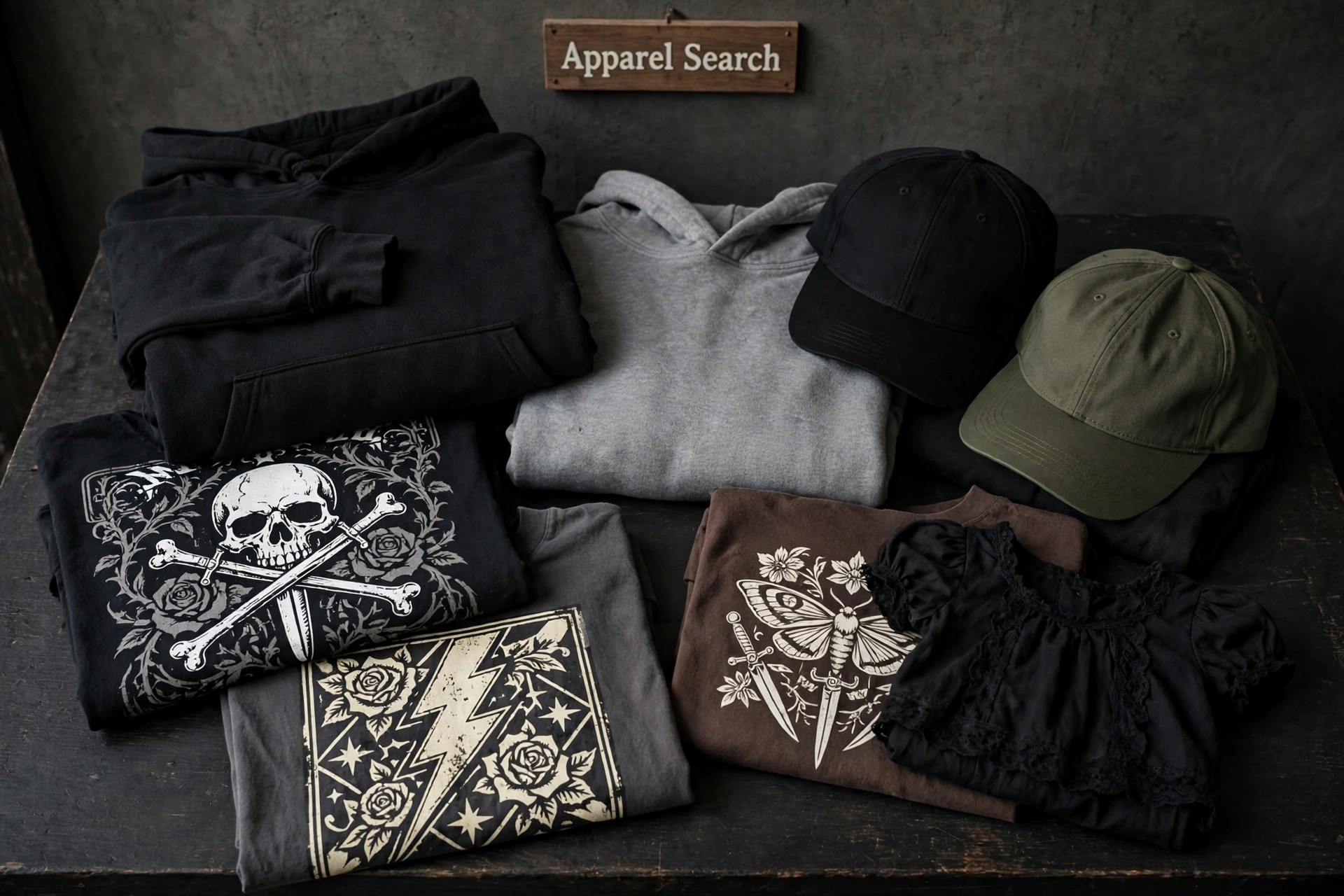
The product range was the merchandise of the punk and metal world: T-shirts, hoodies, flexfit hats, women's T-shirts and baby doll tops, plus accessories, in streetwear, punk and urban styles, sold to the audience that already wore them.
The range stayed deliberately narrow and recognisable. Punk and urban clothing for the music audience is built on a small set of garments — the T-shirt, the hoodie, the hat — carrying the designs, and Dirtbag's list is exactly that set, extended only to women's T-shirts, baby doll tops and accessories in the same styles. A small label selling largely online does not need a department store's breadth; it needs the few garments its audience wears every day, refreshed with new designs.
Bands as the Marketing Channel
Distribution and promotion were the same channel. From the websites of independent record labels, Canning gathered email addresses for bands that would fit his demographic and offered a 40 percent discount to those willing to wear the merchandise. The sponsored performers and bands in the metal scene included Slipknot, Fear Factory, Jerry Cantrell, Drowning Pool, Shadows Fall, Black Label Society, Brand New Sin, Machine Head, Papa Roach and Hinder — the acts' own audiences became the advertising.
The company later extended the same idea with a music site, dirtbagmusic.com, which allowed bands to upload and sell exclusive content such as video, MP3s, tickets and merchandise.
Sales and the 2008 Relaunch
The model worked at independent scale. Dirtbag had sales of approximately $1 million in 2002, half of them coming through online purchases, and as of 2004 its revenues were projected to reach $1.4 million.
In October 2008 Dirtbag relaunched its clothing site, dirtbagclothing.com, and added industry veteran Jim Stroesser as chief executive; his executive background included stints at Pony, Oakley and Nike. A secure wholesale site was prepared for launch in November 2008, and the range at that point offered over 50 SKUs of punk and urban clothing — T-shirts, hats, hoodies and flexfit hats.
For fuller company profiles, see the fashion company profiles in the Apparel Search names directory.
Common Questions
Who founded Dirtbag Clothing and when?
Dirtbag Clothing was founded in 1996 by partners Douglas Canning and John Alves, during their final year as film majors at San Francisco State University. Canning began with a website instead of a catalog, the reverse of the usual apparel company start.
How did Dirtbag Clothing market its clothes?
Dirtbag relied heavily on internet sales and marketing. Canning collected email addresses from independent record label websites for bands that fit the target customer and offered a 40 percent discount to bands willing to wear the merchandise, and the company sponsored performers in the metal scene, including Slipknot, Fear Factory and Drowning Pool.
What were Dirtbag Clothing's sales?
Dirtbag had sales of approximately $1 million in 2002, half of them through online purchases. As of 2004 the company's revenues were projected to reach $1.4 million.