Gloria Vanderbilt
Fashion Definitions — fashion history, brands and industry terms from Apparel Search
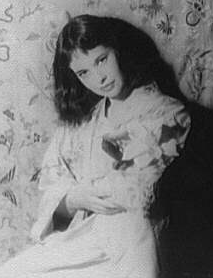
Gloria Laura Vanderbilt, born February 20, 1924, is a member of the prominent United States Vanderbilt family and an accomplished artist, actress and socialite, most noted as a spokeswoman for designer blue jeans. She became heiress to a four million dollar trust fund on her father's death, when she was 2 years old.
|
|
Gloria Laura Vanderbilt
(B. February 20, 1924) is
a member of the prominent
United States
Vanderbilt family. She
is an accomplished artist,
actress, and socialite most
noted as a spokeswoman for
designer
blue jeans. Ms.
Vanderbilt is the child
of American railroad heir
Reginald Claypoole Vanderbilt
(1880-1925) and his second
wife,
Gloria Laura Mercedes Morgan (1904-1965).
Gloria is a beautiful Swiss-born socialite
of American, Chilean, Spanish, and Irish
descent. She became heiress to a four
million dollar trust fund on her father's
death, when she was 2 years old. The rights
to control this trust fund while Gloria was
a minor belonged to her mother. Gloria,
therefore, became the subject of a custody
battle in a famous and scandalous trial in
1934. Testimony was heard depicting her
mother as an unfit parent. The testimony
included charges of her mother's intention
to marry a German prince. A maid testified
to seeing the glamorous widow Vanderbilt
bathing her feet in Champagne with roses in
it and gave evidence of an apparent lesbian
relationship with a member of the British
royal family (the marchioness of Milford
Haven (ne Nadjeda, Countess Torby). Gloria's
mother eventually lost custody to Gloria's
aunt Gertrude Vanderbilt Whitney but
litigation continued.
Vanderbilt married Hollywood agent Pasquale DiCicco ("Pat" DiCicco) in 1941; they divorced in 1945. Her second marriage, to conductor Leopold Stokowski on April 21, 1945 produced two sons, Leopold Stanislaus Stokowski (born 1950) and Christopher Stokowski (born 1955); they divorced in October 1955. Her third marriage took place on August 28, 1956 to director Sidney Lumet; they divorced in August 1963. Her final marriage to author Wyatt Emory Cooper took place on 1964, ; they had two sons, Carter Vanderbilt Cooper (1965-1988), and newsman Anderson Cooper (born 1967). She also has had close relationships with the photographer Gordon Parks and the cabaret singer Bobby Short.
Vanderbilt studied art at
the Art Student's League
in New York City. She became
known for her artwork, giving
one-woman shows of oil paintings,
watercolors, and pastels.
This artwork was adapted
and licensed, starting about
1968, by Hallmark (a manufacturer
of paper products) and by
Bloomcraft (a textile manufacturer), and Vanderbilt began designing specifically
for linens, china, glassware and flatware. As a fashion icon since the
1950's, she was frequently seen wearing elegant designs by Twentieth-Century
legends like Mainbocher in the pages of Vogue magazine. During the
1970s, she licensed the use of her own name on lines of fashion eyeglasses,
perfume and clothing. Initially, her involvement in clothing consisted of
putting her name (in place of the previous brandname, "Lucky Pierre") on a
line of blouses produced by the Murjani Corporation. In 1979, Murjani
proposed launching a line of designer jeans carrying Vanderbilt's brand.
They were very successfully marketed as "Gloria Vanderbilt designer jeans".
They were more tightly fitted than the other jeans of the time, with her
name in script on the back pocket: Vanderbilt appeared in a series of
television ads promoting them. The designer label flourished, with the
Gloria Vanderbilt swan logo eventually appearing on dresses and perfumes as
well.
She is a great-granddaughter of Union general Hugh Judson Kilpatrick and a niece of Thelma Morgan. Thelma Morgan, AKA Viscountess Furness, was the mistress who preceded Wallis, Duchess of Windsor in the affections of Edward VIII of the United Kingdom.
Author of:
-
Once upon a Time: A True Story
-
A Mother's Story: Telling the story of her son Carter's death
-
It Seemed Important at the Time: A Romance Memoir
Subject of:
-
Trio: Oona Chaplin, Carol Matthau, Gloria Vanderbilt: Portrait of an Intimate Friendship by Aram Saroyan
-
Little Gloria... Happy at Last by Barbara Goldsmith
-
That Vanderbilt Woman by Philip Van Rensselaer
|
The above article is licensed under the GNU Free Documentation License. From Wikipedia, the free encyclopedia https://en.wikipedia.org/wiki/levi_strauss_%26_co. 1/21/06 |
Designer Definition (from U.S Department of Labor)
|
|
|
| Fashion Industry |
| Fashion Models |
An Heiress at Two and a Custody Trial in 1934Gloria Laura Vanderbilt was born on February 20, 1924, the child of American railroad heir Reginald Claypoole Vanderbilt, who died in 1925, and his second wife. On her father's death, when she was 2 years old, she became heiress to a four million dollar trust fund, and the rights to control that fund while she was a minor belonged to her mother. That arrangement made her childhood a legal contest: she became the subject of a custody battle in a famous and scandalous trial in 1934, where testimony depicted her mother as an unfit parent. Her mother eventually lost custody to Gloria's aunt Gertrude Vanderbilt Whitney, but litigation continued. Her marriages fill the adult record in four chapters: to Hollywood agent Pasquale DiCicco in 1941, divorced in 1945; to conductor Leopold Stokowski in 1945, with two sons, Leopold Stanislaus, born 1950, and Christopher, born 1955, divorced in October 1955; to director Sidney Lumet in 1956, divorced in August 1963; and to author Wyatt Emory Cooper in 1964, with two sons, Carter Vanderbilt Cooper, born 1965, and newsman Anderson Cooper, born 1967. Art First, Then LicensingVanderbilt studied art at the Art Students League in New York City and became known for her artwork, giving one-woman shows of oil paintings, watercolors and pastels. That art became a licensing business: starting about 1968 her artwork was adapted and licensed by Hallmark, a manufacturer of paper products, and by Bloomcraft, a textile manufacturer, and she began designing specifically for linens, china, glassware and flatware. As a fashion icon since the 1950s she was frequently seen wearing elegant designs by legends such as Mainbocher in the pages of Vogue magazine. During the 1970s she licensed the use of her own name on lines of fashion eyeglasses, perfume and clothing. Initially her clothing involvement consisted of putting her name, in place of the previous brand name Lucky Pierre, on a line of blouses produced by the Murjani Corporation. The Designer Jeans That Made the Name a BrandIn 1979 Murjani proposed launching a line of designer jeans carrying Vanderbilt's brand, and they were very successfully marketed as Gloria Vanderbilt designer jeans. The jeans were more tightly fitted than the other jeans of the time, with her name in script on the back pocket, and Vanderbilt appeared in a series of television ads promoting them. The back-pocket script turned a socialite's signature into a garment label, and her own appearances in the advertisements made her, as the definition puts it, a spokeswoman for designer blue jeans. The designer label flourished, with the Gloria Vanderbilt swan logo eventually appearing on dresses and perfumes as well. She is also an author, of Once upon a Time: A True Story, A Mother's Story, telling the story of her son Carter's death, and It Seemed Important at the Time: A Romance Memoir. Common QuestionsWhy was Gloria Vanderbilt the subject of a custody trial in 1934?Vanderbilt became heiress to a four million dollar trust fund when her father died and she was 2 years old, and the rights to control the fund while she was a minor belonged to her mother. Her mother eventually lost custody to her aunt Gertrude Vanderbilt Whitney, although litigation continued. How did Gloria Vanderbilt's designer jeans come about?In 1979 the Murjani Corporation proposed launching a line of designer jeans carrying Vanderbilt's brand. They were marketed as Gloria Vanderbilt designer jeans, more tightly fitted than other jeans of the time, with her name in script on the back pocket, and she appeared in television ads promoting them. What other products carried Gloria Vanderbilt's designs?Her artwork was adapted and licensed starting about 1968 by Hallmark and Bloomcraft, and she designed for linens, china, glassware and flatware. In the 1970s she licensed her name on lines of fashion eyeglasses, perfume and clothing, and her swan logo later appeared on dresses and perfumes. More to Explore
More from Apparel Search: Fashion Definitions | Clothing Industry Glossary | Fashion Terms | Apparel Search Home
|